


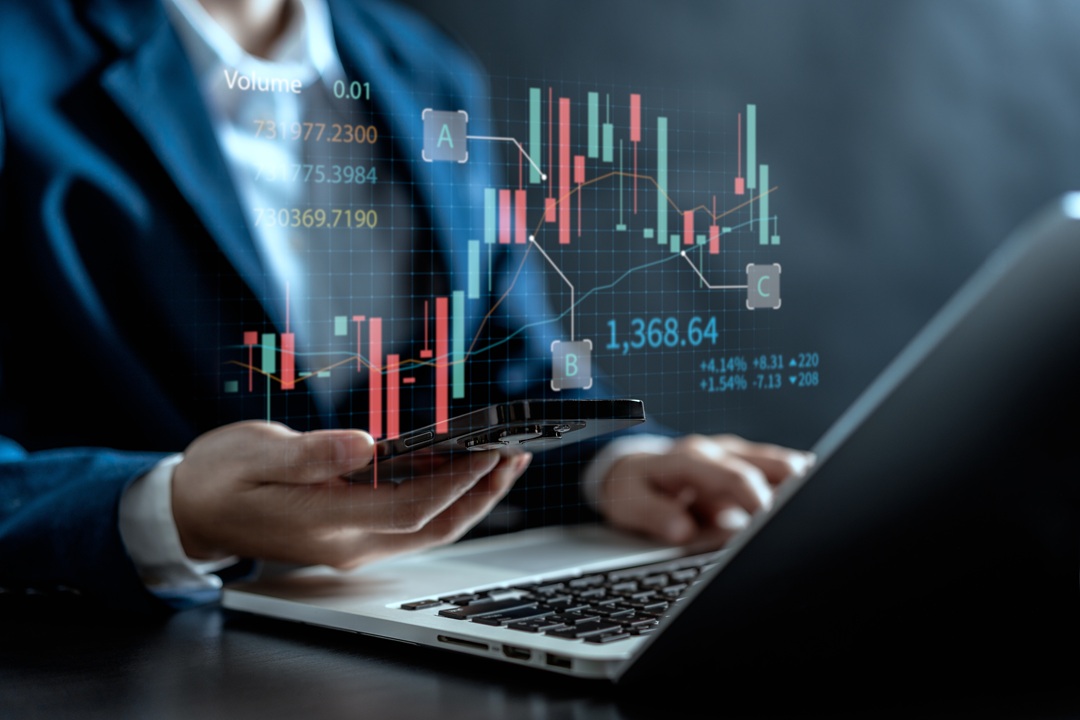
Sleep problems have become common among Mexican retail traders, many of whom wake repeatedly during the night to check whether a position has moved against them while they slept. This general fatigue has sparked interest in automated systems that are supposed to free you from the need to constantly monitor your positions manually, a notion that has a lot of appeal for traders who have to try to follow the market while still holding down a full time job.
Traders overwhelmed by the mental burden of manual trading often gravitate toward robot trading for reasons separate from chasing better returns. Someone working a demanding job in Mexico City who also wants to trade currency pairs around Banxico announcements often finds that fatigue makes manual trading unsustainable, and automated execution becomes appealing primarily as a lifestyle choice, separate from any expected performance upgrade. This matters because traders motivated mainly by a desire for better sleep sometimes evaluate automated systems without applying the scrutiny the decision actually warrants.
Programming requirements naturally separate traders who build their own customizable trading systems from those who purchase a prebuilt program without ever understanding its underlying logic. Someone with genuine coding expertise approaches these systems very differently than someone in a marketing role who mainly responds to promotional claims and sales pitches, and that gap in technical understanding, common within Monterrey’s fast growing technology sector, can determine whether automation brings relief or new complications.
Many backtesting results provided by robot trading sellers look unrealistic once traders actually run them on a live exchange, according to experienced traders who discuss this repeatedly and openly in online forums. These systems typically train on historical data that behaves differently once real trading begins, particularly around events such as Banxico rate decisions, where live market conditions may not resemble anything the backtesting data actually covered.
Automation does not eliminate the need for traders to monitor their systems, despite what some assume when they first start using these tools. Even well built automated systems require periodic review to confirm they continue performing as intended, particularly after platform updates or unusual market conditions that can cause algorithms to behave unexpectedly. It is common for traders who depend solely on automation without human intervention to find issues at times of extreme volatility, when the consequences of a mistake are often most severe.
Trust in automated systems generally takes time to develop gradually as traders tend to start with small positions and only take on larger positions once confidence and available capital increase. This is in stark contrast to more impulsive traders who jump in with large sums of money as soon as they see a favorable set of backtest results, a tendency that experienced traders consistently warn against, despite the temptation to escape tedious manual monitoring. The technology itself doesn’t determine whether automated trading will actually deliver on its promise of better sleep and fewer losses. It largely depends on the trader’s own expectations. Automation has the potential to reduce the emotional cycle of buying in during excitement and selling in panic that often characterizes manual trading. But it only works for traders who bring the same discipline and caution they would apply to paper trading.











Leave a Reply