


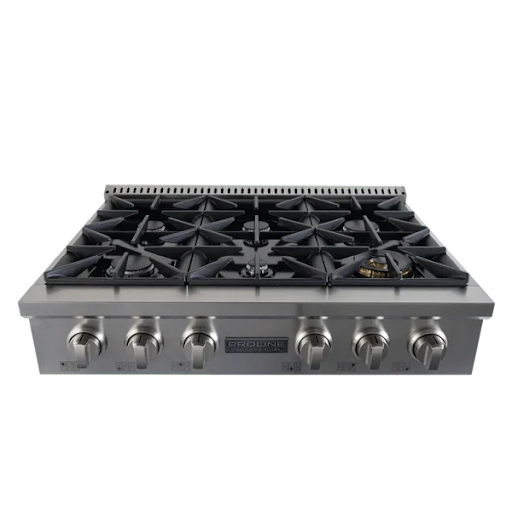
A cooktop takes more abuse than almost any other surface in the kitchen, facing high heat, grease, spills, and constant cleaning. Choosing a material that can handle that punishment matters as much as choosing the burners. Metal surfaces have long been popular because they combine durability, easy maintenance, and a clean, professional look that suits both classic and modern designs. Buyers considering stainless steel stove tops should understand how grade, thickness, and finish affect performance and appearance. The sections below explain the details that separate a lasting cooktop from one that disappoints.
Why Stainless Steel Holds Up
Stainless steel resists corrosion, tolerates high temperatures, and does not chip or crack like enamel or glass can. Its non-porous surface does not absorb odors or stains, which makes wiping down after cooking straightforward. Unlike ceramic glass, it handles the impact of a dropped pot without shattering. That toughness explains its popularity in professional kitchens. For homeowners, stainless steel stove tops offer a similar advantage, delivering years of dependable use with reasonable care and no special coatings to wear off.
Grades and Gauge Thickness
Not all stainless steel is equal. Grade 304, often called 18/8, contains chromium and nickel and offers excellent corrosion resistance. Grade 430 is less expensive and magnetic, though it can be more prone to staining in humid or salty environments. Thickness is described by gauge, and lower numbers mean thicker metal. Thicker sheets resist warping and denting, and they feel more solid under heavy cookware. Ask the manufacturer for grade and gauge details instead of relying only on the word stainless. Grade differences are rarely visible at a glance, so documentation matters.
Finish Types and Fingerprints
Brushed finishes have fine parallel lines that hide scratches and smudges better than mirror-polished surfaces. Polished stainless looks striking but shows every mark. Some manufacturers add fingerprint-resistant coatings that reduce visible smears, which is helpful in busy households. Match the grain direction to nearby appliances for a cohesive look. When evaluating stainless steel stove tops, view them in person if possible, since lighting changes how finishes appear and how noticeable everyday marks become.
Burners, Grates, and Controls
The surface is only part of the story. Many shoppers pair steel with gas stovetops because gas burners respond instantly and offer visual heat feedback. Sealed burners keep spills from seeping beneath the surface, while heavy cast-iron grates provide stable support for large pots. Electronic ignition removes the need for a constant pilot flame. A range of BTU outputs, from a gentle simmer burner to a powerful boiling burner, gives flexibility. Front or side controls should be easy to reach without crossing over hot flames.
Cleaning Without Scratches
Wipe spills promptly with a soft cloth and warm, soapy water, moving along the grain of the metal. For stuck-on residue, use a nonabrasive stainless cleaner or a paste of baking soda and water. Avoid steel wool, harsh scouring pads, and chlorine bleach, which can damage the finish. Test any cleaner on a hidden corner first. Blue or rainbow discoloration from heat can often be lightened with white vinegar or a dedicated cleaner. Dry the surface afterward to prevent water spots, and remove grates for periodic deep cleaning.
Fitting Your Countertop
Common widths are 30, 36, and 48 inches, and the countertop cutout must match the manufacturer’s specifications exactly. Measure width, depth, and the clearance beneath the cooktop before ordering. Confirm gas line location, electrical outlet needs, and ventilation, since powerful burners require a suitable hood. Allow the recommended distance to overhead cabinets, and have a licensed professional connect gas fittings and test for leaks. Careful planning prevents delays and costly modifications during installation. Keep the installation sheet handy for the installer.
Conclusion
Durability, grade, finish, and layout all shape satisfaction with a cooktop. Regular gentle cleaning keeps the surface looking sharp, and proper installation keeps it safe. Shoppers who want to compare finishes and widths in one place can consider Smart Home Luxury during their research. With thoughtful selection, stainless steel stove tops provide a hard-working, good-looking centerpiece that stands up to years of daily cooking.














Leave a Reply