


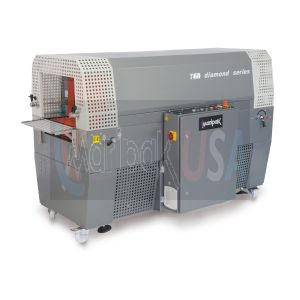
Heat-based packaging systems are widely used to create a secure, neatly finished package around products of different shapes and sizes. These systems commonly combine film sealing with controlled heating so that the packaging material conforms closely to the product. A shrink tunnel is an important part of this process because it provides a controlled heating environment through which film-wrapped products can pass continuously. Its performance depends on factors such as temperature consistency, conveyor movement, product dimensions, film type, and the configuration of the overall packaging line.
What Is a Shrink Tunnel?
A shrink tunnel is an enclosed heating system designed to apply controlled heat to shrinkable packaging film. After a product has been wrapped and sealed, it moves through the tunnel on a conveyor. As the film is exposed to the heated environment, it contracts around the product, creating a tighter and more uniform package.
Unlike manual heat application, an automated tunnel can provide a more consistent processing environment. This makes it suitable for production lines where multiple products need to pass through the same heating stage at a controlled rate.
The Diamond Tunnel Series referenced on the supplied page includes automatic heat tunnels designed around consistent heat levels and controlled film-shrink performance. The range includes single-chamber and double-chamber configurations, as well as different tunnel sizes for varying packaging requirements.
Why Temperature Control Matters
Temperature is one of the most important variables in shrink-film processing. Different films have different shrink characteristics, so the heating conditions need to be appropriate for the material being used. Excessive heat can potentially damage film or affect the appearance of a package, while insufficient heat may leave loose areas or prevent the film from achieving the intended finish.
Consistent temperature distribution is therefore important throughout the tunnel. The referenced equipment range specifically emphasizes constant and controlled heat levels for film-shrink applications. This type of control helps establish more predictable processing conditions as products move through the heating zone.
Temperature settings should also be considered alongside conveyor speed and product dimensions rather than treated as an isolated adjustment.
The Role of Conveyor Speed
Conveyor speed determines how long a package remains inside the heated section. A faster belt reduces exposure time, while a slower belt increases it. Both temperature and movement speed therefore influence the final shrink result.
The appropriate settings depend on the film being used, the size and configuration of the product, and the requirements of the packaging process. The supplied equipment information notes that system performance estimates can depend on sealer speed, product size, film type, and the associated infeed equipment.
For this reason, packaging operators generally need to evaluate temperature and conveyor speed together. Changing one variable without considering the others can alter the appearance and consistency of the finished package.
Single-Chamber and Double-Chamber Configurations
Shrink tunnel use different chamber arrangements depending on production requirements. A single-chamber tunnel provides one continuous heating zone through which products travel. This configuration can be appropriate for many standard packaging applications where a single controlled heating stage is sufficient.
Double-chamber designs provide two distinct heating sections. The additional chamber can provide greater flexibility for applications requiring a different heating profile or additional control over the shrinking process.
The referenced Diamond Series includes both regular single-chamber and double-chamber tunnel systems. The collection also contains standard and extended-length configurations, allowing equipment dimensions to be matched more closely to product and line requirements.
Matching Tunnel Size to Product Requirements
The dimensions of the product are another important consideration when selecting thermal packaging equipment. Products need adequate clearance through the tunnel, including sufficient pass-through height and width for the complete package.
For example, specifications for one tunnel configuration list an 18-inch conveyor belt width, while another lists a 24-inch width. These differences illustrate why equipment selection needs to account for package dimensions rather than relying only on expected production volume.
The tunnel length can also affect processing conditions because it determines the distance available for controlled heating. Extended-length models may provide additional processing space when an application requires a longer heating path.
Integration With Sealing Equipment
A heat tunnel normally functions as one stage within a larger packaging system. Products may first pass through an infeed system, then receive their film seal before entering the tunnel for controlled shrinking.
The supplied source also indicates that tunnel performance estimates can depend on the speed of the sealing equipment and the type of infeed used with the system.
Maintenance and Operating Considerations
Regular maintenance helps keep a heat-shrink system operating consistently. Operators should monitor the conveyor, heating components, controls, and other mechanical parts for signs of wear or irregular operation. The tunnel should also be kept clear of accumulated film or packaging debris that could interfere with normal operation.
Electrical requirements should be considered during installation as well. For example, the specifications for the T-45 and T-60 configurations list three-phase electrical requirements and different maximum and average power consumption figures.
Understanding these requirements before installation can help ensure that the equipment is compatible with the available production environment.
Conclusion
Consistent shrink packaging depends on more than simply applying heat to film. Temperature control, conveyor speed, product dimensions, film characteristics, tunnel configuration, and integration with sealing equipment all influence the final result. Selecting the appropriate tunnel size and configuration can help establish a controlled packaging process while supporting consistent product movement. For systems using a shrink-wrapping sealer, coordinating the sealing stage with the tunnel’s heating conditions is particularly important for achieving a uniform and reliable packaged finish.













Leave a Reply