


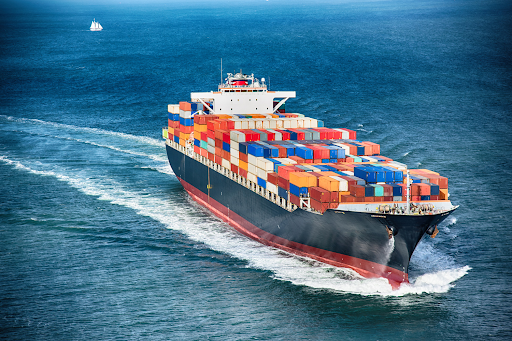
International freight management requires careful coordination of transportation, documentation, customs procedures, storage, and delivery schedules. Ocean shipping provides businesses with a practical way to move substantial cargo volumes across international markets while supporting flexible shipment planning. From containerized cargo to coordinated freight forwarding, it can simplify several stages of the supply chain.
When transportation, customs clearance, warehousing, and related logistics are managed together, businesses can reduce operational complexity and maintain smoother cargo movement. Understanding these advantages can help companies make informed decisions for international trade and supply chain operations.
Supports High-Volume Cargo Movement
International trade often involves substantial quantities of raw materials, finished products, and commercial goods. Sea transport is well suited to these requirements because shipments can be arranged through full container load and less than container load options. This flexibility lets businesses select a method based on cargo volume and budget.
For companies managing recurring imports or exports, an organized freight process can make shipment planning easier.
Creates Better Shipment Coordination
International freight management becomes complicated when several logistics activities are handled separately. Freight forwarding can bring booking, documentation, transportation, and cargo coordination into a structured workflow. This helps businesses maintain better visibility of shipment progress and reduce confusion between different service providers.
A coordinated approach is useful when cargo moves through multiple stages before reaching its destination. Businesses can plan schedules and supporting logistics accordingly.
Helps Manage LCL and FCL Requirements
Different businesses have different shipment volumes. Smaller consignments may not require a complete container, while larger shipments can benefit from dedicated container space. International cargo shipping can therefore be organized around either LCL or FCL requirements, depending on the nature and quantity of goods.
LCL allows compatible shipments to share container space, making it suitable for smaller cargo volumes. FCL provides dedicated container capacity for a single shipment, which can suit larger cargo volumes or specific loading requirements.
Connects Freight With Customs Support
Documentation and customs procedures are important parts of international freight management. Incorrect paperwork or delays during clearance can affect shipment schedules and create operational pressure. Freight forwarding companies that provide customs clearance support can help businesses coordinate these requirements efficiently.
A connected service approach allows shipment information, commercial documents, and clearance requirements to be managed as part of the broader transportation process. This can make cross-border movement predictable.
Integrates Warehousing and Transportation
Freight management does not always end when cargo reaches a port or warehouse. Some shipments require temporary storage before moving to the next destination. Combining freight forwarding with warehousing can give businesses flexibility when supply chain schedules change.
Storage support can help when inventory arrives before distribution arrangements are ready. It can manage temporary gaps between transportation stages.
Conclusion
Effective freight management depends on coordination, flexibility, and dependable support across every stage of transportation. Ocean shipping can simplify international movement by supporting large cargo volumes, LCL and FCL options, customs coordination, warehousing, and transportation services. When these elements work together, businesses can create an organized supply chain and manage cross-border shipments with greater confidence.
With extensive logistics experience, AVR Logistics offers integrated freight forwarding solutions for domestic and international cargo movement. Their services include sea, air, rail, and road freight, ISO container transportation, project cargo, warehousing, CHA services, and customs clearance. They help businesses coordinate shipments, documentation, storage, and transportation efficiently, providing dependable logistics support that simplifies cargo planning, improves coordination, and supports smooth supply chain operations.














Leave a Reply