


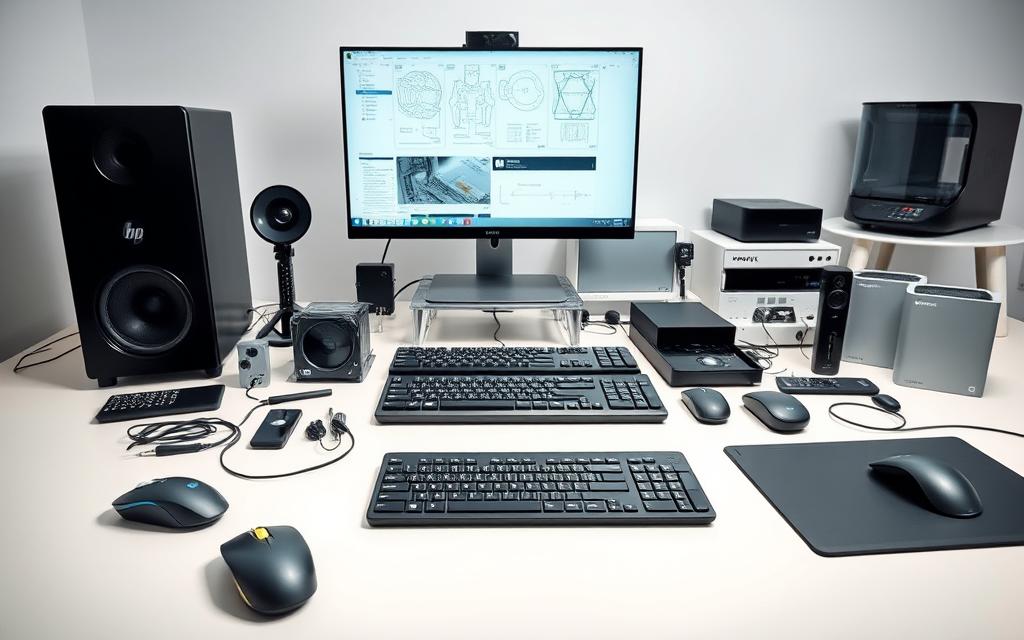
Businesses regularly replace computers, laptops, servers, and other IT devices, leaving outdated equipment behind. When these assets remain unused, they can occupy valuable space and become difficult to manage. Through e-waste recycling, businesses can handle retired technology responsibly while recovering useful resources.
Reducing IT waste also involves securely removing data and assessing equipment for reuse, refurbishment, or recycling. A structured approach helps organizations manage retired assets efficiently and limit unnecessary electronic waste.
Identify Outdated IT Devices Before They Become Waste
The first step toward reducing IT waste is recognizing which devices are no longer required. Equipment may become outdated because of changing software requirements, limited performance, compatibility issues, or technology upgrades. Instead of letting these devices sit forgotten in storage rooms, businesses can regularly review their IT inventory and identify assets that are no longer useful internally.
An organized inventory can include desktops, laptops, servers, monitors, printers, hard drives, routers, switches, and other electronic equipment. Recording the condition, quantity, model, and age of each asset helps businesses determine whether an item can be reused, sold, refurbished, or recycled. This process prevents potentially useful equipment from being discarded unnecessarily.
Prioritize Reuse and Responsible Recovery
Not every outdated device needs to become waste immediately. Some equipment may still function effectively for less demanding tasks or may have components suitable for refurbishment. Businesses can extend the useful life of selected devices by reallocating them to departments with simpler technology requirements or using them for temporary operational needs.
When equipment can no longer support business activities, responsible recovery becomes important. Components and materials from retired devices can often be recovered through appropriate processing. E-waste recycling helps divert electronic materials from unsuitable disposal methods while supporting the recovery of resources that can be used again in manufacturing and other applications.
Build a Practical IT Waste Reduction Process
Reducing electronic waste becomes easier when businesses establish a consistent process for handling retired equipment. Instead of waiting until storage areas become crowded, organizations can incorporate asset reviews into their regular technology management activities.
-
Conduct Regular Equipment Audits
Regular audits help businesses identify devices that are approaching the end of their useful operational life. Periodic equipment reviews also improve inventory visibility and prevent forgotten electronics from accumulating in storage.
-
Separate Reusable and Unusable Devices
Categorize equipment by condition and potential purpose. Functional devices may be reused or transferred internally, while damaged or obsolete items can be directed toward suitable recovery or recycling channels.
-
Protect Data Before Equipment Leaves
Computers, servers, storage drives, and other devices can contain sensitive business information. Secure data removal should therefore be completed before equipment is transferred for reuse, sale, or recycling.
-
Keep Equipment Components Organized
Keep accessories such as power adapters, cables, docking stations, and compatible components with their corresponding devices where possible. This can make assessment easier and may improve the recovery potential of certain equipment.
-
Work With Professional Recovery Services
Experienced recycling and recovery providers can help businesses manage larger quantities of retired electronics. Their services can simplify collection, assessment, responsible processing, and other stages of IT asset recovery.
Improve Data Security During IT Disposal
Data security should remain a key consideration whenever electronic equipment leaves a business facility. Old computers and storage devices can contain confidential documents, financial information, employee records, customer details, and other sensitive data. Simply deleting visible files may not provide sufficient protection because the information may remain recoverable.
Businesses should establish clear procedures for data destruction before sending equipment for recycling or recovery. Professional services can support secure handling and ensure storage devices are treated appropriately. Maintaining records of disposed equipment and completed data destruction can also strengthen internal asset management and accountability.
Choose Suitable Recycling and Recovery Partners
Selecting the right service provider can make electronic waste reduction more efficient. Businesses should consider whether a provider can handle the types and quantities of equipment they need to clear, arrange convenient collection, and follow responsible recycling procedures. Transparent evaluation methods can also help organizations understand how their retired assets are being managed.
For companies operating in the UAE, professional IT equipment recycling in Dubai can provide convenient support for collecting and processing outdated computers, servers, networking devices, and other electronics. Working with an experienced local provider can reduce the logistical effort involved in moving large quantities of equipment and help businesses maintain a more organized clearance process.
Practical Ways to Reduce IT Waste
Businesses can take several straightforward steps to prevent outdated technology from becoming unnecessary waste.
- Review IT equipment inventories regularly.
- Identify devices that are no longer needed.
- Reuse functional equipment where practical.
- Repair suitable devices before replacing them.
- Separate reusable components from damaged equipment.
- Remove sensitive data securely.
- Store retired equipment safely before collection.
- Maintain records of equipment sent for recycling.
- Choose responsible electronic waste recovery services.
- Plan equipment disposal alongside technology upgrades.
These practices help organizations create a more controlled approach to technology management. They also reduce unnecessary accumulation and make it easier to recover useful materials from retired devices.
Make IT Waste Reduction Part of Business Planning
Technology replacement projects should include a clear plan for handling equipment being removed from service. When businesses plan for asset recovery early, they can organize collection, data protection, storage, and recycling without disrupting daily operations.
Including waste reduction within regular IT planning also encourages employees and departments to treat technology as an asset throughout its lifecycle. Equipment can be monitored from purchase through use, retirement, and final recovery. This approach helps businesses make better decisions about when to repair, reuse, replace, or recycle devices.
Conclusion
Reducing waste from outdated IT devices requires a planned approach to inventory management, reuse, data security, recovery, and responsible recycling. Rather than allowing retired electronics to accumulate in storage or become unnecessary waste, organizations can evaluate their equipment and select suitable recovery options. Professional IT equipment recycling in Dubai can make collection and responsible processing easier for businesses managing regular technology upgrades.
For those who are looking for a reliable solution to clear unwanted computers, laptops, servers, networking equipment, storage devices, and other IT assets, IT Scrap Buyer offers practical collection, evaluation, secure handling, and responsible recycling services. Its professional support helps businesses manage retired technology efficiently, reduce electronic waste, and recover value from unused equipment.











Leave a Reply