


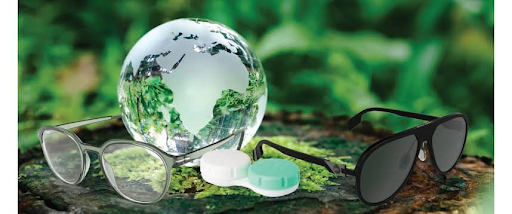
Modern eye hygiene is evolving as consumers look for products that combine scientific understanding, everyday comfort, and responsible environmental practices. A sustainable eye care brand aims to address these priorities by considering product safety, ingredient selection, packaging, and waste reduction. At the same time, effective eye hygiene depends on suitable formulations, clear instructions, and reliable evidence rather than marketing claims alone. Balancing these factors is especially important because the eyes and surrounding skin require careful treatment. Understanding how sustainability and science work together can help consumers evaluate eye care products, develop safer hygiene habits, and make informed decisions that support both personal well-being and environmental responsibility.
What Is Sustainable Eye Care?
Sustainable eye care involves considering the environmental impact of eye care products without compromising safety, quality, or effectiveness. This approach may include reducing unnecessary packaging, selecting responsibly sourced materials, improving manufacturing efficiency, and providing clear disposal instructions. However, sustainability involves more than using recyclable packaging or describing a product as environmentally friendly.
Eye hygiene products must also meet appropriate quality and safety requirements. Ingredients should suit the intended application, and product instructions should explain proper use. A sustainable design is only useful when the product remains safe, practical, and suitable for its intended purpose.
A responsible approach considers several factors:
- Product safety: Formulations should be suitable for the intended eye or eyelid area.
- Scientific evidence: Claims about performance should have appropriate supporting evidence.
- Material selection: Packaging should minimize unnecessary environmental impact.
- Transparency: Product information should be clear and accurate.
- Waste reduction: Manufacturing, packaging, and disposal practices should be considered together.
These principles help distinguish meaningful sustainability from claims based mainly on branding.
How Science Supports Modern Eye Hygiene
Scientific research helps explain the causes of common eye hygiene concerns and identifies appropriate ways to manage them. Dryness, irritation, eyelid inflammation, and discomfort can have different causes, meaning that a single product cannot address every condition.
For example, dry eye disease can occur when tear production is insufficient or tears evaporate too quickly. Appropriate lubricating eye drops may help relieve symptoms, while persistent problems can require professional assessment. Eyelid hygiene may also be recommended for certain conditions involving eyelid inflammation or debris around the eyelashes.
Scientific product development considers factors such as ingredient compatibility, formulation stability, contamination control, and intended use. These details are particularly important for products applied close to the eyes.
A sustainable eye care brand should therefore prioritize evidence-based product development alongside environmental considerations. Sustainability should complement product quality rather than replace essential testing and safety measures.
The Importance of Safe Ingredients and Formulations
The skin around the eyes is delicate, and direct contact with the eye surface requires particular care. Ingredients that are appropriate for facial skin are not automatically suitable for eye drops or other products designed for direct ocular application.
Modern formulation practices consider the product’s purpose, ingredient concentration, potential irritation, and storage requirements. Products intended for direct eye contact must meet the relevant safety and quality standards for that use.
Consumers should review several details before purchasing an eye hygiene product:
- The complete ingredient list.
- The intended application area.
- Directions and warnings.
- Storage and expiry information.
- Any relevant allergy precautions.
- Evidence supporting specific product claims.
Fragrance-free formulations may be useful for some people with sensitive skin, but suitability depends on the complete formulation and individual needs. Natural ingredients are not automatically safer than synthetic ingredients, and environmentally preferable materials must still meet appropriate safety requirements.
Sustainable Packaging and Waste Reduction
Packaging plays an important role in the environmental footprint of personal care products. Excessive packaging increases material consumption, while mixed materials can make recycling more difficult. Thoughtful packaging design can reduce waste when supported by practical material choices and suitable disposal options.
Potential improvements include:
- Reducing unnecessary packaging: Smaller amounts of material can lower resource use.
- Using recyclable materials: Packaging should identify materials and provide realistic disposal guidance.
- Improving product efficiency: Durable packaging can protect products and prevent avoidable waste.
- Considering refill systems: Suitable refills may reduce packaging consumption when hygiene and product stability are maintained.
- Improving transport efficiency: Compact, protective packaging can help reduce shipping volume.
Eye hygiene products require special attention because packaging may protect sensitive formulations from contamination, moisture, light, or air. Reducing packaging should never compromise product integrity.
The most responsible solution balances material reduction with the practical requirements of safe storage, transportation, and application.
How to Identify a Sustainable Eye Care Brand
Environmental claims can make product comparisons difficult when the language is broad or unsupported. Terms such as green, natural, clean, and eco-friendly do not automatically demonstrate that a product has a lower environmental impact.
A sustainable eye care brand should provide meaningful details that help consumers assess its practices. Useful information may include packaging specifications, sourcing policies, manufacturing standards, product safety information, and evidence supporting environmental statements.
A practical evaluation process includes:
- Checking whether sustainability claims identify specific actions.
- Reviewing the materials used in product packaging.
- Looking for clear ingredient and safety information.
- Checking for relevant independent certifications.
- Confirming whether recycling instructions match local facilities.
- Comparing environmental benefits without overlooking product quality.
For example, a package labelled recyclable may still require specialist facilities that are unavailable in some locations. Similarly, a product described as natural may still contain ingredients capable of causing irritation.
Reliable information allows consumers to assess environmental responsibility without relying on attractive labels alone.
The Role of Hygiene Habits in Long-Term Eye Comfort
Product selection is only one part of effective eye hygiene. Consistent daily habits can help reduce irritation and support general eye health.
Useful practices include washing hands before touching the eye area, avoiding eye rubbing, cleaning contact lenses according to professional instructions, and replacing eye products according to their recommended schedules. Sharing eye cosmetics or applicators can increase the risk of contamination.
For eyelid cleaning, suitable products should be used according to their instructions. Harsh soaps, unapproved oils, and household cleaning substances should never be applied directly to the eyes.
Screen-related discomfort may also improve with regular breaks, appropriate lighting, and conscious blinking. However, persistent redness, pain, discharge, or changes in vision require professional advice. Sudden vision loss or severe eye pain requires urgent medical attention.
Good hygiene habits, appropriate products, and professional guidance work together to support safer eye care.
Can Sustainability and Scientific Innovation Work Together?
Environmental responsibility and scientific performance are compatible when product development considers both priorities from the beginning. Formulation specialists can assess product stability and safety while packaging designers explore ways to reduce material use. Manufacturers can also evaluate production efficiency, sourcing practices, and transportation requirements.
For example, packaging improvements may reduce waste while retaining the protective features required for a sensitive formulation. Ingredient sourcing may also be reviewed for traceability and environmental impact without compromising the product’s intended function.
However, environmental benefits should be evaluated across the product life cycle rather than through a single feature. A lighter package may reduce transport emissions, but the complete assessment should also consider manufacturing, product protection, disposal, and potential waste caused by leakage or spoilage.
The strongest approach combines measurable environmental improvements with reliable product testing, transparent communication, and appropriate quality controls.
The Future of Responsible Eye Hygiene
The future of eye hygiene is likely to place greater emphasis on transparent ingredient information, practical packaging improvements, responsible manufacturing, and evidence-based product claims. Consumers increasingly benefit from access to clear explanations of product purpose, safety, and environmental impact.
Manufacturers can support informed decisions by publishing accurate product information, explaining sustainability measures, and avoiding claims that cannot be verified. Product development should continue to prioritize appropriate testing and reliable performance, especially for products intended for sensitive areas.
A sustainable eye care brand can contribute to this progress by treating environmental responsibility as part of a broader commitment to product quality. Meaningful innovation combines thoughtful material choices with safe formulations and realistic claims, helping consumers make decisions that reflect both personal care needs and environmental priorities.
The Bye Co.: Bringing Thoughtful Eye Care Into Focus
The Bye Co. can be evaluated through the principles of modern eye hygiene: product safety, scientific evidence, transparent information, and responsible consumption. For consumers exploring eye care options, verified details about ingredients, intended use, packaging, and environmental practices provide a stronger basis for comparison than promotional language alone. A responsible approach to eye care should protect comfort and safety while considering the environmental impact of everyday products. Assessing The Bye Co. against these practical standards can help clarify its relevance to conscious purchasing decisions. Ultimately, effective eye hygiene depends on suitable products, reliable information, and responsible habits that support both personal well-being and thoughtful resource use.















Leave a Reply