


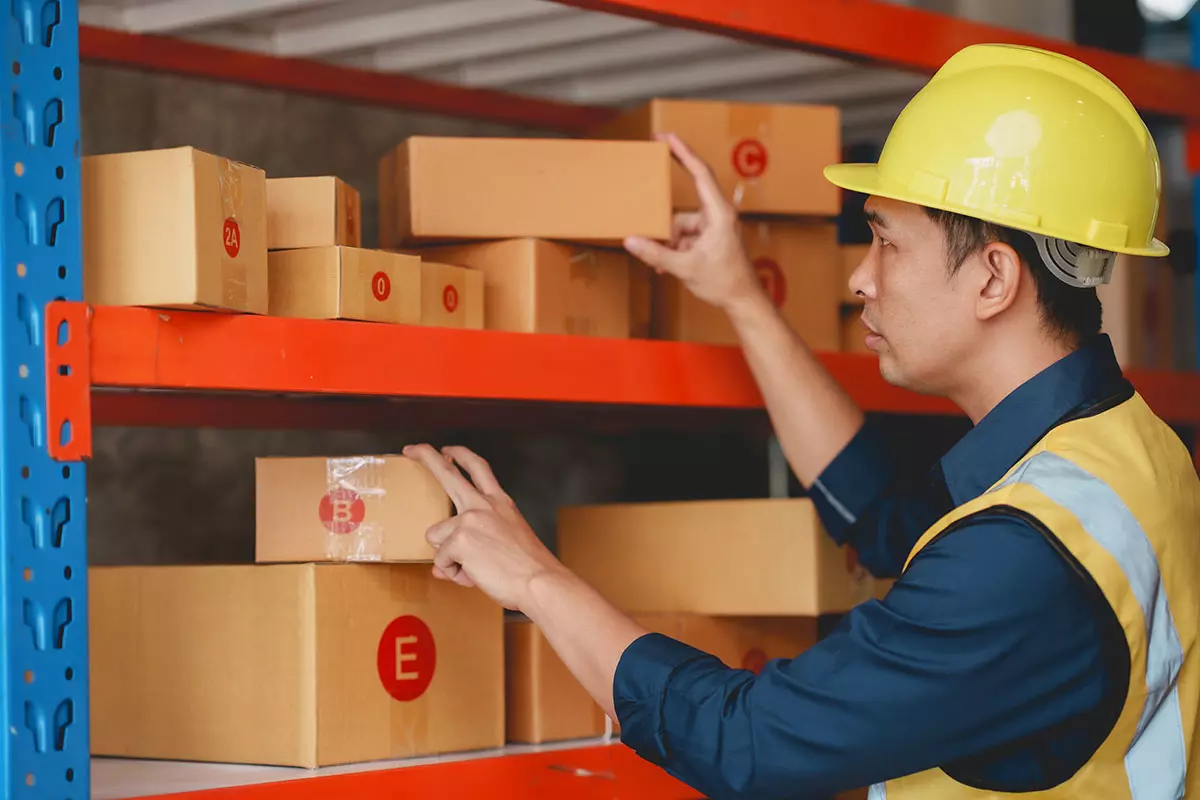
Most buyers who think about quality inspection think about the pre-shipment check. It’s the most familiar step — an inspector visits the factory when the goods are packed, checks a sample, and issues a pass or fail. But for many product types and supply chain situations, pre-shipment inspection alone is the equivalent of checking your smoke alarms after the fire.
Understanding the difference between in-line inspection and pre-shipment inspection — and knowing when to use each — is one of the more practical things a sourcing team can learn.
How In-Line (DUPRO) Inspection Works
An in-line or during-production (DUPRO) inspection takes place when around 20–30% of an order is complete. At this point, some finished units exist alongside the ongoing production process. The inspector checks finished pieces, examines the production line setup, and identifies any systematic issues before they affect the full order.
The key advantage is timing. If a DUPRO inspection finds that a stitching machine is misaligned and creating a consistent seam defect, you catch that problem when 2,000 units are affected — not 20,000.
Pre-Shipment Inspection: Strengths and Limits
Pre-shipment inspection (PSI) is conducted when at least 80% of goods are produced and packed. It’s a comprehensive final check — the closest thing to a buyer’s quality gate before goods leave the factory. PSI is effective at catching random defects, packaging issues, label errors, and end-product specification gaps.
What it can’t do is go back in time. If 60% of your order has a systematic defect that originated early in production, PSI will detect the defect — but the damage is already done. Understanding how Pre Shipment Inspection in Vietnam is typically structured gives buyers a clear picture of what it can and can’t protect against.
When to Use Each Approach
| Scenario | Recommended Inspection Type |
| First order with a new supplier | DUPRO + PSI |
| High-value or technically complex product | DUPRO + PSI |
| Garments with complex construction | DUPRO + PSI |
| Established supplier with clean track record | PSI (periodic DUPRO) |
| Fast-moving consumer goods, repeat SKUs | PSI |
| Order with very tight rework window before shipment | DUPRO + PSI |
| Electronics or safety-critical items | DUPRO + PSI + Function test |
Country-Specific Patterns
In Vietnam, DUPRO inspections are particularly valuable for garment and footwear orders with new or growing suppliers. The scale-up speed of some Vietnamese factories means production process stability can vary significantly across a single order run. Catching issues at the 20–30% mark has saved buyers from costly full-order reworks on more than a few occasions.
In India, textile and handicraft buyers often use a combination of initial production sample (IPS) approval, a mid-production check, and a pre-shipment inspection — a three-stage approach that gives comprehensive coverage across the production lifecycle.
In Indonesia, DUPRO is widely used in furniture production, where dimensional accuracy across a long run is critical. In Thailand, automotive component buyers have embedded DUPRO as a standard step — you can explore how structured Pre Shipment Inspection in Thailand sits alongside in-process checks within a full QC programme.
The Cost Question
Adding a DUPRO to your order adds an inspection day — typically $200–$350 depending on location. For orders above $30,000–$50,000 in value, that cost is almost always justified by the risk it mitigates. For smaller orders from established suppliers, PSI alone may be proportionate. The decision should be based on order value, supplier history, and product complexity — not simply on minimising inspection spend.









Leave a Reply