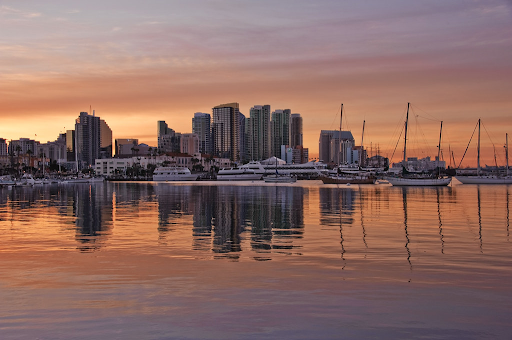
The Amalfi Coast, a dazzling stretch of coastline along Italy’s southern shore, is not just renowned for its stunning vistas and sunlit beaches. It is also a place where time seems to weave seamlessly between the ancient and the modern. From narrow cobblestone pathways once trod by merchants and pilgrims to the bustling roads that carry tourists today, Amalfi’s journey through time reflects both its rich history and contemporary vibrancy.
Tracing the Roots of Amalfi’s Ancient Pathways
Long before modern highways carved their way along the cliffs, Amalfi was connected through a network of ancient trails. These paths were vital arteries for commerce, culture, and communication in the region. Traversing these routes, merchants carried goods such as salt, ceramics, and silk, linking Amalfi to the broader Mediterranean world.
To explore this remarkable transformation from old trails to present-day roads, visit this comprehensive resource about the Amalfi Coast.
Among the most famous ancient routes is the Path of the Gods (Sentiero degli Dei), a spectacular hiking trail that offers panoramic views of the sea and cliffs. This path exemplifies the historical significance of Amalfi’s trails, once used for trade and now cherished by hikers worldwide for its natural beauty and connection to the past.
The Growth of Amalfi: From Maritime Power to Cultural Beacon
Amalfi’s evolution from a powerful maritime republic to a cherished cultural destination was shaped by its geography and trade routes. In medieval times, the town thrived as a major maritime power, controlling vital trade between Europe, the Byzantine Empire, and the Arab world.
The ancient roads that connected Amalfi to inland towns and neighboring regions facilitated this growth. They enabled the movement of goods, people, and ideas, which helped Amalfi develop a unique blend of architectural styles and cultural influences. Churches, palaces, and public buildings from this era still stand, bearing witness to Amalfi’s historic prominence.
Modern Roads and Infrastructure: Balancing Access and Preservation
Today, the Amalfi Coast is accessible via modern roads that hug the coastline, weaving through tunnels, cliffs, and hairpin turns. The SS163 Amalfitana is the main road connecting the coastal towns, famed for its breathtaking views but also known for its narrow lanes and challenging driving conditions.
While this road brings essential access and convenience, maintaining a balance between modern infrastructure and preservation of the region’s natural and historical heritage remains a delicate task. Efforts to protect the coastline from overdevelopment and traffic congestion include encouraging the use of ferries and public transport to reduce the environmental impact.
Exploring Amalfi by Foot: The Enduring Charm of Ancient Trails
Despite modern roads, walking remains one of the best ways to experience the Amalfi Coast’s unique charm. The ancient footpaths not only provide a direct connection to the region’s history but also allow visitors to explore hidden corners, terraced lemon groves, and panoramic vistas inaccessible by car.
Many towns, including Amalfi, Positano, and Ravello, feature intricate networks of stairways and alleys that have remained unchanged for centuries. These pedestrian routes invite visitors to slow down, absorb the sights and sounds, and truly immerse themselves in the local atmosphere.
The Role of Sea Routes in Amalfi’s Timeless Journey
Alongside ancient paths and modern roads, sea routes have been integral to Amalfi’s history. For centuries, the coast’s harbors served as gateways for merchants, fishermen, and travelers. Even today, ferries and private boats connect Amalfi’s towns with nearby islands like Capri and Ischia, as well as other coastal cities.
The sea remains a lifeline for the region, shaping its economy and culture. Boat tours offer visitors a unique perspective of Amalfi’s cliffs and villages, highlighting how the coastline’s geography has guided the area’s development over millennia.
Cultural Preservation Amidst Tourism Growth
The growth of tourism has brought prosperity and new challenges to the Amalfi Coast. The influx of visitors demands infrastructure improvements and services while also raising concerns about preserving the delicate environment and historical sites.
Local communities and authorities have embraced sustainable tourism practices to protect the region’s heritage. Conservation projects, controlled visitor access to sensitive areas, and the promotion of traditional crafts and festivals help maintain Amalfi’s cultural identity amid modern pressures.
Experiencing Amalfi’s Timeless Journey Today
Visitors to the Amalfi Coast can experience this unique fusion of past and present through a variety of activities:
-
Hiking Historic Trails: Embark on walks like the Path of the Gods or explore the ancient mule tracks linking coastal villages.
-
Driving or Biking the Amalfitana Road: For the adventurous, driving the winding coastal road or renting a scooter offers thrilling views and access to numerous towns.
-
Boat Excursions: Discover Amalfi’s coastline from the sea, visiting hidden coves, caves, and neighboring islands.
-
Exploring Towns on Foot: Wander narrow streets and stairways that have witnessed centuries of history.
-
Visiting Museums and Historical Sites: Explore places like the Amalfi Cathedral, ancient paper mills, and archaeological sites that tell the story of the region.
Practical Tips for Navigating Amalfi’s Roads and Trails
-
Plan Ahead: Roads can be congested, especially in summer, so plan your travel times carefully.
-
Use Public Transport: Ferries and buses are reliable alternatives that reduce stress and environmental impact.
-
Wear Comfortable Shoes: Many areas require walking on uneven surfaces and stairs.
-
Respect the Environment: Stick to marked trails and avoid littering to help preserve the natural beauty.
-
Embrace Local Culture: Engage with locals and attend cultural events to enrich your understanding of Amalfi’s heritage.
Conclusion: A Journey Through Time and Terrain
The Amalfi Coast is a place where ancient paths and modern roads converge, offering a timeless journey through history, culture, and nature. From the footsteps of medieval merchants to today’s travelers navigating winding coastal highways, Amalfi continues to inspire and enchant. Its blend of natural splendor and rich heritage makes every visit a unique adventure — a chance to walk in the footsteps of the past while embracing the vibrant life of the present. Whether by foot, car, or boat, the journey along the Amalfi Coast promises memories that endure long after the trip ends.