Spinal disc degeneration is a prevalent cause of chronic back pain, significantly affecting mobility and quality of life. For many patients, spinal disc replacement serves as a viable solution to restore function and alleviate discomfort. Dr. Larry Davidson, a leader in minimally invasive spine surgery, acknowledges that advancements in 3D bioprinting are transforming the way spinal disc replacements are developed, offering personalized implants that enhance surgical outcomes and long-term spinal health. By leveraging bioprinting technology, medical professionals can create customized disc implants that mimic natural tissue properties, improving compatibility and functionality.
Recent studies indicate that 3D bioprinted spinal discs have the potential to integrate more seamlessly with surrounding spinal structures, reducing the risk of rejection and enhancing durability. This breakthrough not only provides patients with a more natural range of motion but also minimizes post-surgical complications. As research continues to advance, the future of spinal disc replacement may rely on bioengineered materials that promote cellular regeneration, further improving recovery times and long-term spinal stability.
How 3D Bioprinting Enhances Spinal Disc Replacement
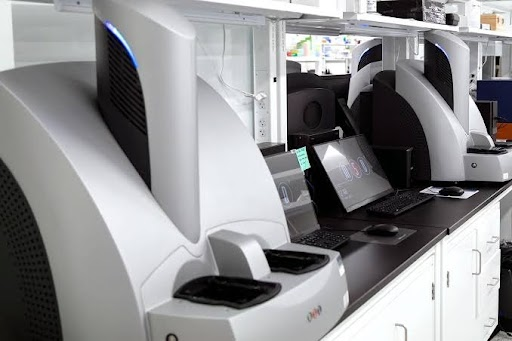
3D bioprinting is an innovative process that utilizes bio-inks composed of living cells and biomaterials to fabricate patient-specific implants. This technology allows for the precise replication of spinal disc structures, ensuring optimal integration with a patient’s anatomy. Unlike traditional artificial implants, 3D bioprinted spinal discs can be engineered to provide better mechanical support while promoting cellular regeneration.
The application of 3D bioprinting in spinal disc replacement focuses on two key objectives: restoring disc height and function while minimizing the risk of adjacent segment degeneration. By using patient-specific imaging data, bioprinted discs are tailored to an individual’s spinal curvature and biomechanics, reducing complications associated with standard implant designs.
The use of bioactive materials in 3D bioprinting allows for the integration of growth factors that stimulate tissue regeneration, further enhancing the healing process. Bioprinted discs may support the body’s natural ability to repair itself, reducing reliance on traditional fusion procedures that limit spinal mobility. As this technology evolves, it holds promise for creating more resilient and adaptive spinal implants that improve long-term outcomes for patients suffering from degenerative disc disease.
Advantages of 3D Bioprinted Spinal Discs
One of the primary benefits of 3D bioprinting in spinal disc replacement is its ability to create fully customized implants. Unlike off-the-shelf implants, bioprinted discs match a patient’s unique anatomy, leading to improved comfort and functionality. Additional advantages include:
- Enhanced Biocompatibility: 3D bioprinted discs incorporate bioactive materials that encourage natural tissue integration, reducing the risk of rejection or adverse immune responses.
- Improved Longevity: Traditional disc implants may wear down over time, requiring revision surgery. Bioprinted discs are designed to replicate the properties of natural spinal tissue, offering greater durability and longevity.
- Reduced Surgical Complications: Personalized disc implants result in better alignment and load distribution, decreasing the likelihood of implant failure or postoperative complications.
Challenges in 3D Bioprinting for Spinal Disc Replacement
Despite its potential, 3D bioprinting for spinal disc replacement presents several challenges. One of the most significant hurdles is ensuring the structural integrity of bioprinted discs over time. While current bio-inks and materials show promise, long-term studies are necessary to evaluate their durability and performance under spinal load conditions.
Regulatory approval for bioprinted spinal implants remains a complex process. Since these implants involve living cells and bioengineered materials, extensive clinical trials are required to confirm their safety and effectiveness before widespread adoption.
Researchers and medical device manufacturers are working closely with regulatory bodies to establish standardized testing protocols and ensure compliance with safety guidelines. Advances in biomaterials and tissue engineering are helping to streamline this process by demonstrating consistent success in preclinical studies. As regulatory frameworks evolve, collaboration between scientists, clinicians and policymakers will be essential in accelerating the approval timeline while maintaining rigorous safety standards, ultimately bringing innovative spinal disc replacement solutions to more patients in need.
Comparing 3D Bioprinting to Traditional Spinal Disc Implants
Traditional spinal disc replacements have been the standard treatment for decades, offering relief for patients with degenerative disc disease. However, they come with limitations, such as wear and tear, lack of biological integration and potential stress on adjacent spinal segments. 3D bioprinted discs, on the other hand, offer a regenerative approach that enhances healing and preserves long-term spinal function.
Dr. Larry Davidson remarks, “A merger of AI and 3D printing could result in the production of an implant that uniquely serves the needs of a specific patient.” By combining advanced imaging techniques with AI-driven algorithms, surgeons can achieve greater precision in designing patient-specific implants. This innovation not only improves compatibility but also enhances long-term functionality, ensuring better surgical outcomes.
A key distinction is the ability of 3D bioprinted discs to promote cellular regeneration. Unlike synthetic implants, which serve as mechanical replacements, bioprinted discs incorporate stem cells and bioactive materials that encourage tissue repair and growth. This biological integration reduces the risk of further degeneration and enhances long-term outcomes.
Future Prospects and Clinical Applications
The future of 3D bioprinting in spinal disc replacement looks encouraging as researchers continue to refine bioprinting techniques and materials. Ongoing advancements in bio-inks, scaffold structures and tissue engineering will likely expand the clinical applications of bioprinted spinal discs.
Clinical trials are already exploring the feasibility of implanting bioprinted discs in animal models, with early results showing encouraging signs of integration and function. As research progresses, human trials may soon follow, paving the way for regulatory approval and clinical use in spine surgery.
Additionally, the integration of artificial intelligence and robotics in 3D bioprinting is enhancing precision and efficiency in implant fabrication. AI-driven modeling can optimize disc designs based on patient-specific data, ensuring that each implant meets the spine’s biomechanical demands.
Long-Term Considerations
The long-term success of 3D bioprinted spinal disc replacements will depend on continued advancements in biomaterials, surgical techniques and post-implantation monitoring. Ensuring the durability and biological integration of bioprinted discs remains a top priority for researchers and spine specialists.
With ongoing research and technological innovation, 3D bioprinting is poised to redefine the future of spinal surgery, offering personalized treatment options that enhance mobility and quality of life for patients worldwide.