


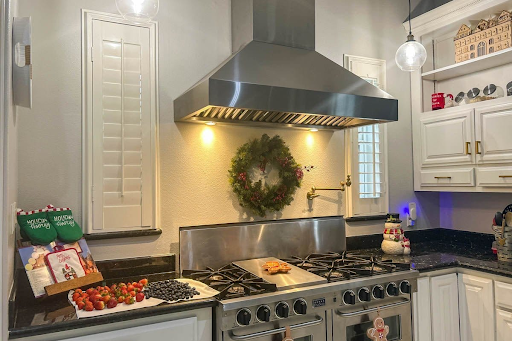
Kitchen ventilation plays a far bigger role in cooking comfort and air quality than many homeowners realize, and choosing the right size hood is one of the most important decisions in that process. For larger cooking setups, particularly those with wide ranges or professional-style cooktops, a 48-inch oven hood is often necessary to provide adequate coverage and effective smoke and odor extraction. This guide breaks down what to know before selecting one, from sizing considerations to installation types and performance factors.
Why Hood Size Matters
Range hoods are designed to capture smoke, grease, steam, and cooking odors before they spread throughout the kitchen. When a hood is too small for the cooking surface beneath it, it may fail to capture emissions effectively, leaving pockets of smoke or grease that escape ventilation entirely.
Matching Hood Width to Cooktop Size
As a general rule, a hood should be at least as wide as the cooking surface it’s meant to ventilate, and ideally a few inches wider on each side for optimal coverage. For wide ranges or cooktops spanning 42 to 48 inches, a properly sized 48-inch oven hood ensures more complete capture of airborne particles during cooking.
Types of 48 Inch Range Hoods
There are several styles available at this size, each suited to different kitchen layouts and design preferences.
Wall-Mounted Hoods
These are installed directly against a wall above the cooktop and are among the most common configurations for larger kitchens, offering strong ventilation performance along with a clean, streamlined appearance.
Island Hoods
Designed for cooktops located on kitchen islands, these hoods are suspended from the ceiling and ventilate from above, requiring careful consideration of duct routing during installation.
Insert or Built-In Hoods
For homeowners who prefer a custom look, a hood insert can be built into custom cabinetry or millwork, concealing the mechanical components while still providing full ventilation performance.
Key Performance Factors to Consider
Beyond size, several other specifications influence how well a range hood performs.
- CFM (Cubic Feet per Minute): This measures airflow capacity and is one of the most important specifications for larger hoods. Higher-output cooktops generally require higher CFM ratings to effectively manage smoke and heat.
- Duct Configuration: Ducted hoods vent air outside the home, offering superior performance compared to ductless models, which recirculate filtered air back into the kitchen.
- Noise Levels: Larger hoods with higher CFM ratings can generate more noise, so it’s worth checking decibel ratings, particularly for open-concept kitchens where sound carries more easily.
- Filter Type: Baffle filters and mesh filters are common choices, with baffle filters generally offering easier cleaning and better grease capture over time.
Installation Considerations
Installing a 48-inch oven hood typically requires careful planning around ductwork, especially for island installations where duct routing can be more complex. Professional installation is generally recommended to ensure proper venting, secure mounting, and compliance with local building codes related to kitchen ventilation.
Clearance and Mounting Height
Proper mounting height above the cooktop is essential for both safety and performance. Installing a hood too high can reduce its ability to capture smoke and odors effectively, while mounting it too low may interfere with cooking comfort.
Maintenance for Long-Term Performance
Regular maintenance helps range hoods continue operating efficiently. This includes cleaning or replacing filters periodically, wiping down exterior surfaces to prevent grease buildup, and checking ductwork for any blockages that could reduce airflow over time.
Final Thoughts
Selecting the right ventilation system is an important part of designing a functional, comfortable kitchen, particularly for larger cooking setups. A properly sized 48-inch oven hood ensures effective smoke and odor control while complementing the overall kitchen design. For homeowners looking for a more integrated, custom appearance, a stove hood insert offers a practical way to achieve strong ventilation performance without sacrificing aesthetic appeal.













Leave a Reply