


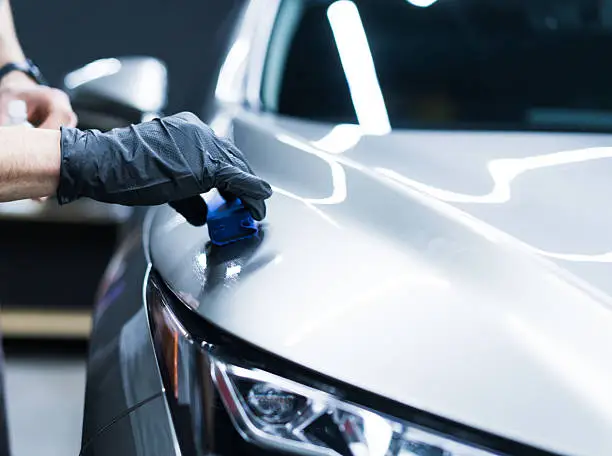
Most people ask the same question before they pay for a ceramic coating. How long will it last? The honest answer is that it depends. Some coatings last one or two years. Others can hold up for five years or more. The product matters, but so does the prep work, the climate, and how you wash the car. A coating is not a shield that lasts forever. It is a thin layer that bonds to your paint and slowly wears down. In this article, I will explain what affects its lifespan, what the labels really mean, and how to make yours last longer. I will also cover the signs that a coating is fading, and what you can do about it. I kept it simple and based it on real world use, not on sales claims. Read on and you will know what to expect before you spend any money.
The Short Answer on Lifespan
Here is what most owners can expect in normal use:
- Spray-on or consumer coatings: 6 months to 2 years
- DIY kits with a bottle and applicator: 1 to 3 years
- Professional grade coatings: 3 to 5 years
- High end multi-layer systems: 5 to 7 years, sometimes more
These are ranges, not promises. A coating that is rated for five years can fail in two if the car is parked outside all day and washed with harsh soap. And a cheaper coating can do better than expected on a garaged car that gets gentle care.
So treat the number on the bottle as the best case. Your real result will sit somewhere below it.
What a Ceramic Coating Actually Is
A ceramic coating is a liquid made mostly of silica or similar compounds. You apply it to clean paint. It cures and forms a hard, thin layer on top of the clear coat.
That layer does a few things. It helps water bead and roll off. It makes dirt easier to wash away. It adds some resistance to light chemicals, bird droppings, and UV rays.
But it does not make paint scratch-proof. Rocks, car wash brushes, and dirty towels can still mark it. And it is not permanent. Every wash, every rain, and every hour in the sun removes a tiny bit of it.
Why the Label Can Be Misleading
Many brands advertise “lifetime” or “9H hardness.” These terms sound strong, but they do not tell the full story.
The hardness rating comes from a pencil test, and it is not a standard that every brand follows. A high number does not mean the coating resists scratches in daily driving. It also says nothing about how long the coating will keep its water beading.
As for “lifetime,” that usually comes with fine print. Most warranties need yearly inspections, specific wash products, and proof of service. Miss one step and the warranty can be void.
My advice is simple. Read the warranty terms before you trust the claim. And ask what the lifespan is in your climate, not in a lab.
Paint Prep Sets the Limit
This is the part that many people skip. A coating can only bond as well as the surface under it.
Good prep has several steps:
- A full wash to remove dirt and traffic film
- A chemical decontamination to remove iron particles
- A clay treatment to pull out bonded grit
- Paint correction to remove swirls and light scratches
- A final wipe with a panel prep spray to remove oils
If any step is rushed, the coating sits on top of residue. It may look fine for a few weeks. Then it starts to fail in patches.
This is also why cheap coating jobs often disappoint. The product may be fine, but the prep took one hour instead of one day.
Climate and Sun Exposure
Where you live changes the result more than most people think. Heat, UV rays, salt air, and humidity all wear on a coating.
In South Florida, the sun is strong most of the year. Cars parked outside take constant UV exposure, along with salty air and sudden rain. That speeds up the aging of any protective layer. If you are comparing a ceramic paint sealant fort lauderdale service against a basic wax, expect the coating to last longer, but plan on the shorter end of the range if the car lives outdoors.
Cold regions have their own problems. Road salt, freezing water, and harsh winter washes can strip a coating too. So no climate is easy. Just know which stress your car faces most.
How You Wash the Car
Washing is the biggest factor you control. A good coating can lose years of life from poor washing habits.
These habits shorten the life of a coating:
- Automatic car washes with spinning brushes
- Strong, high-pH soaps and degreasers
- Washing in direct sun, which leaves spots
- Using one dirty towel on the whole car
- Skipping the rinse before touching the paint
These habits help it last:
- Use the two-bucket wash method
- Pick a pH-neutral car shampoo
- Use a clean microfiber mitt and soft drying towels
- Wash in the shade when you can
- Wash every one to two weeks, not once every few months
It sounds like more work, but it takes about the same time. And dirt that stays on the coating is worse than a gentle wash.
Number of Layers and Thickness
More layers can mean a longer life, but only up to a point. One layer gives a basic result. Two layers give a thicker film and better durability. Three or more can add depth, but returns shrink after that.
Layering also needs the right timing. Each layer must flash, or settle, before the next goes on. Apply too soon and the coating can streak or fail to bond. Apply too late and the layers may not join.
This is one more reason that skill matters. Thickness is only helpful when it is applied evenly.
Professional Versus DIY
Both can work. But they do not give the same results on average.
Professional coatings are often stronger and harder to apply. They need controlled conditions, proper lighting, and experience. Installers also have the tools to fix mistakes, such as high spots, before the coating cures.
DIY coatings are easier to use. They forgive small errors. But they are thinner and wear out faster. Many last one to two years, even when the label says more.
If you plan to keep the car for years, a pro job can make sense. If you like working on your car and want a lower cost, a good DIY kit is fine. Just give yourself a full weekend and do the prep properly.
Signs Your Coating Is Wearing Out
You do not need a lab to tell. Watch for these changes:
- Weak water beading: Water sits flat instead of forming round drops
- Dirt sticks more: The car gets dirty faster and takes more effort to clean
- Dull look: The paint loses its sharp gloss
- Water spots: They etch in more easily
- Uneven patches: Some panels bead water while others do not
Hood, roof, and front bumper wear first. They get the most sun and impact. If those panels fade early, the rest will follow.
Try a simple test. Spray water on a clean car and look at the pattern. Tight, round beads mean the coating is working. Big, flat sheets mean it is thin or gone.
A Simple Maintenance Schedule
Maintenance does not need to be complex. Here is a routine that works for most cars:
- Every 1 to 2 weeks: Wash with a pH-neutral shampoo
- Every 3 to 4 months: Use a ceramic-safe spray sealant or booster
- Every 6 months: Do a deeper wash with an iron remover to clear bonded dirt
- Once a year: Have the coating inspected, or check it yourself
Boosters are optional but useful. They add a thin top layer that takes the wear instead of the base coating. Think of it as a sacrificial layer. It costs little and can add a year or more.
Also avoid wax on a coated car. It can cover the coating and hide its properties.
Do Not Forget the Inside
A ceramic coating only protects the paint, glass, or wheels it is applied to. Your seats, carpets, and dash get no benefit. They face sun, spills, and daily wear on their own schedule.
If you want the whole car to stay fresh, the inside needs care too. A service such as interior car detailing fort lauderdale covers vacuuming, stain removal, leather care, and cleaning of vents and trim. Doing it a few times a year keeps the cabin in shape while the coating handles the outside.
Can You Reapply a Coating?
Yes. You can add a new coating on top of an old one if the old layer is still bonded and clean. Many shops do this as a refresh. It is cheaper than starting from scratch.
But if the coating has failed in patches, the better move is to strip it. Polishing removes the old layer and gives a clean base. Then you apply a new coating.
Do not stack coating on top of dirt or damaged paint. It locks in the flaws. Always clean, inspect, and fix first.
Is It Worth the Cost?
It depends on how you use the car. A coating can save time on washing, protect against stains, and keep paint looking fresh. Those are real benefits.
But it will not stop all damage. And if you will not wash the car gently, you will not get your money’s worth.
It makes the most sense when:
- You plan to keep the car for several years
- The car is new or in good paint condition
- You park outside and deal with sun or bird droppings
- You want easier washing
It makes less sense if you lease for a short term, or if the paint is already in poor shape and you do not plan to fix it.
Final Take
A ceramic coating can last from one year to five years or more. The real number depends on the product, the prep, the climate, and your wash habits. Do not trust the longest claim on the label. Plan for the middle of the range, and treat anything extra as a bonus.
Get the prep done right. Wash gently. Add a booster now and then. Check the water beading every few months. Do these things, and your coating will give you the best life it can.







Leave a Reply