


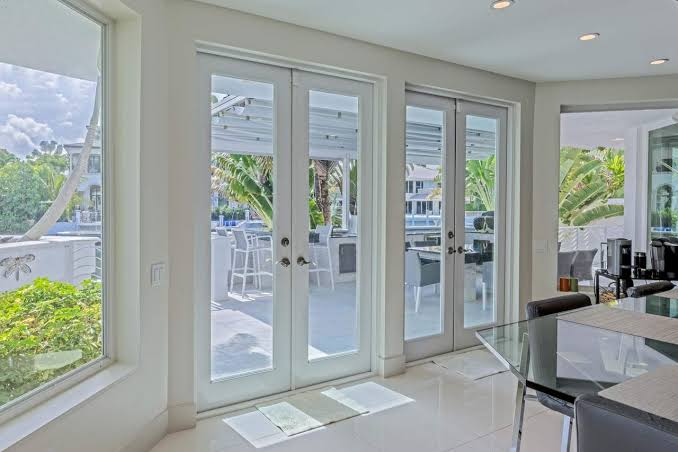
A door is one of the weakest points in any house during a storm. High winds push on it from the outside, and flying debris can smash right through a regular one. Once a door fails, wind gets inside and builds pressure that can lift the roof. That is how a bad storm turns into a total loss. Impact doors are made to stop this. They use strong glass and tough frames that hold up against wind and debris. But not all of them are the same. Prices, ratings, and styles vary a lot, and a wrong pick can waste money. If you live in South Florida, you may already be looking at impact doors fort lauderdale options. This guide covers what to check before you buy, from ratings and glass to frames, style, and installation. Read through it, then make a plan that fits your home and budget.
What Impact Doors Are and How They Work
An impact door has laminated glass. This means two layers of glass with a clear plastic layer between them. When something hits the door, the glass may crack, but it stays in place because the plastic holds it together.
The frame matters just as much. It is built to keep the glass locked in under heavy pressure. The hinges, locks, and tracks are stronger than normal ones too.
Impact doors do more than stop storms. They also block noise, cut UV rays, and make break-ins harder. The glass is tough to get through, even with tools.
Know the Local Building Code First
Before you pick a door, check what your area requires. In South Florida, most homes fall in the High Velocity Hurricane Zone. This zone has the strictest rules in the country.
Doors here must pass specific tests for impact and pressure. Look for a Miami-Dade NOA, which stands for Notice of Acceptance. This is a product approval that shows the door passed large missile impact and cyclic pressure tests. A Florida Product Approval number also works in many areas, but the HVHZ often needs the NOA.
Ask the seller to show you the approval for the exact door you want. Do not trust a sticker alone. Look up the number on the state or county site if you want to be sure.
Check the Design Pressure Rating
Every impact door has a design pressure rating. It tells you how much wind force the door can take. The number is shown in pounds per square foot, or PSF.
Your home needs a door that meets or beats the rating for your location. Height matters too. A house on the coast or on a high floor faces more wind than one inland and low to the ground.
Your installer or engineer can tell you the right number. Do not buy a door with a lower rating just to save money. It may not pass inspection, and it will not protect you as well.
Pick the Right Glass
The glass is the heart of the door. There are a few things to look at.
- Laminate thickness: Thicker plastic gives more strength and sound control
- Glass type: Clear, tinted, or low-E coatings
- UV protection: Good glass blocks most harmful rays
- Energy rating: Look at the U-factor and Solar Heat Gain Coefficient
Low-E glass has a thin coating that reflects heat. It keeps your home cooler and can lower your power bill. This matters a lot in Florida, where air conditioning runs most of the year.
Tinted glass cuts glare, but it can make rooms darker. Try a sample in your own light before you decide.
Choose a Frame Material
The frame holds everything together. The material you choose affects strength, looks, and upkeep.
Aluminum is the most common choice in Florida. It is strong, light, and handles salt air well. It also works for large openings like sliding doors.
Vinyl costs less and insulates well. It is not as strong as aluminum for big glass areas, though. It can also fade or warp in intense sun if the quality is low.
Fiberglass looks like wood and holds up well. It does not rot or rust. It costs more, but many people like the look.
Wood is the least common for impact doors. It looks great, but it needs more care in humid weather.
For most homes near the coast, aluminum or fiberglass is a safe pick.
Decide on the Door Style
Impact doors come in many styles. Pick the one that fits how you use the space.
- Entry doors: Single or double doors at the front of the house
- Sliding glass doors: Common for patios and backyards
- French doors: Two doors that swing open from the middle
- Folding or bi-fold doors: Open a wide space to the outdoors
- Garage doors: Reinforced to resist wind and debris
Sliding doors are the weak spot in many homes. They have large glass panels and long tracks. If you have one, make sure it has an impact rating and not just a standard glass upgrade.
Garage doors are another weak point. If one fails, the wind pushes up into the attic. Check that yours is rated for impact as well.
Think About Security and Locks
Impact doors add real security. The laminated glass is hard to cut or break, so burglars have a tougher time getting in.
Still, the lock matters. Look for a multi-point lock, which locks the door at several spots along the frame. It holds the door tight against storm pressure and blocks forced entry.
Check the hinges too. Heavy-duty hinges and long screws keep the door from pulling away. A strong door in a weak frame does not help.
Compare Energy Efficiency
A good door can lower your energy bills. Check the labels from the National Fenestration Rating Council, or NFRC.
Two numbers matter most. The U-factor shows how well the door keeps heat from passing through. A lower number is better. The Solar Heat Gain Coefficient shows how much sun heat comes through the glass. In hot places, a lower number is better too.
Also look at air leakage. A tight door keeps cool air in and hot air out. Better seals mean less strain on your air conditioning.
Set a Realistic Budget
Impact doors cost more than regular doors. Prices depend on size, style, glass, and frame. A basic entry door costs far less than a large sliding glass system.
Here are some things that change the price:
- Size and number of panels
- Custom shapes or colors
- Upgraded glass and coatings
- Hardware and lock type
- Installation complexity
Get at least three quotes. Ask each company to list what is included, so you can compare them fairly. The cheapest offer is not always the best, since poor installation can void the warranty.
But think about long-term value too. Impact doors can lower your insurance premium. They also add to your home’s value and save you the cost and hassle of putting up storm shutters each season.
Look Into Insurance Savings
Many insurers give discounts for storm protection. In Florida, a wind mitigation inspection can show what you qualify for.
A licensed inspector checks your roof, openings, and other features. They write a report that you send to your insurer. Impact-rated doors and windows can lead to a lower premium.
Savings vary by company and home. Ask your agent how much you could save. Then compare it with the cost of the doors to see how long it takes to pay off.
Consider Doors and Windows Together
Your doors are only part of the picture. A storm can break through a window just as easily. If one opening fails, the whole house is at risk.
It often makes sense to upgrade both at once. You may get better pricing, one permit, and one installer. Your style also matches across the house.
If you are looking at impact windows fort lauderdale too, ask the same company to quote both jobs. Compare the bundle with separate quotes to see which one costs less.
Pick a Good Installer
The best door will fail if it is put in wrong. Installation is just as important as the product.
Check that the company is licensed and insured. Ask for references and look at past jobs. Read reviews from real customers, and watch for patterns in the complaints.
Ask these questions before you sign:
- Will you handle the permit?
- Who does the install, your crew or a subcontractor?
- How long will the job take?
- What does the warranty cover, and for how long?
- What happens if the door has a problem after install?
A good installer will measure the opening carefully. They will use the right anchors and sealants. They will also fix any rot or damage in the frame before they start.
Be careful with anyone who pushes you to sign quickly. A fair company gives you time to think.
Understand Warranties
Read the warranty before you buy. Some cover only the frame. Others include the glass, the hardware, and the finish.
Check how long each part is covered. Also check if the warranty passes to the next owner if you sell. That can help when you list your home.
Know what voids the warranty. Poor installation, lack of cleaning, and damage from misuse are common causes. Keep your paperwork in a safe place.
Maintain Your Impact Doors
Impact doors need little care, but they are not zero upkeep.
Clean the glass with mild soap and water. Avoid harsh chemicals that can damage the seals. Check the weatherstripping each year, and replace it if it cracks or wears out.
Lubricate hinges and tracks a couple of times a year. Salt air can cause rust, so wipe down metal parts near the coast.
Look at the frame and seals after a big storm. If you see cracks in the glass layer or gaps around the frame, call your installer.
Final Thoughts
Choosing impact doors takes a bit of homework, but it pays off. Start with the code and the pressure rating. Pick glass and frames that suit your climate. Think about security, energy use, and style. Then compare quotes and hire an installer you trust.
A good door protects your family and your home. Take your time and ask questions. And do not wait until a storm is in the forecast to start.








Leave a Reply