


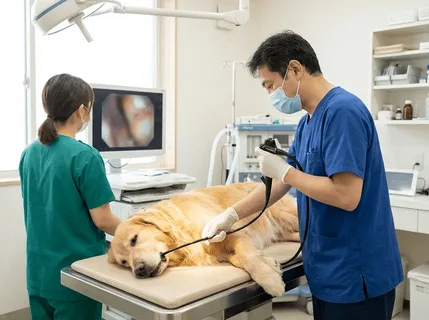
One of the first things pet owners search for when a veterinarian recommends an endoscopic procedure is the pet endoscopy price. However, the cost is only one part of understanding this type of veterinary care. Endoscopy may be recommended when symptoms such as persistent vomiting, swallowing difficulties, unexplained digestive problems, or suspected foreign-object ingestion require a closer internal examination.
Why Endoscopy May Become Necessary
Pets cannot explain where they are experiencing discomfort, which can make certain internal health problems difficult to identify through a routine examination alone. Persistent vomiting, appetite changes, weight loss, difficulty swallowing, or recurring digestive problems may indicate an issue that requires further investigation. In some cases, a swallowed foreign object may also need to be located and removed.
Veterinary endoscopy provides a minimally invasive way to examine parts of the digestive or respiratory tract using a flexible instrument equipped with a camera and light. Depending on the condition being investigated, veterinarians can use the procedure to examine internal structures, collect tissue samples, or remove certain foreign objects. This can sometimes reduce the need for more invasive exploratory surgery.
What Determines the Cost of Pet Endoscopy?
There is no universal answer to the question of pet endoscopy price because the overall cost can depend on several clinical and procedural factors. The type of endoscopy, the area being examined, the complexity of the case, anaesthesia requirements, diagnostic testing, and whether a foreign object needs to be removed can all influence the final veterinary bill.
Pet owners may also encounter different pricing structures between veterinary clinics because the services included in a procedure can vary. A consultation, pre-procedure examination, blood testing, anaesthesia, endoscopic examination, medication, monitoring, and follow-up care may form different parts of the overall treatment. Asking the veterinary team what is included can therefore provide a clearer understanding of the expected expense.
The Procedure Is About More Than Diagnosis
One of the key benefits of endoscopy is that it can serve both diagnostic and therapeutic purposes in appropriate cases. A veterinarian may use the camera to investigate abnormalities inside the digestive tract while also taking a biopsy or removing a suitable foreign object during the same procedure.
This can be particularly useful when conventional examinations cannot provide enough information about what is happening internally. Instead of relying only on external symptoms, the veterinary team can obtain a closer view of the affected area. The information gathered can then help guide subsequent treatment decisions based on the individual condition of the pet.
Why Anaesthesia Is Part of the Process
Because endoscopy involves inserting specialised equipment into the body, pets generally require general anaesthesia so that they remain still and comfortable during the procedure. Anaesthesia also allows the veterinary team to carry out the examination safely and precisely without causing unnecessary distress to the animal.
Before anaesthesia, veterinarians may assess the pet’s overall health and determine whether additional diagnostic tests are appropriate. Factors such as age, medical history, current symptoms, and existing health conditions can influence how the procedure is planned. This is one reason why endoscopy should be considered as a veterinary procedure tailored to the individual animal rather than a standard service with identical requirements for every case.
What Happens After the Procedure?
Understanding pet endoscopy recovery in Dubai can help owners prepare for what happens once the examination is complete. Recovery generally begins with monitoring as the pet wakes from anaesthesia. Veterinary staff may observe the animal’s breathing, alertness, comfort, and overall condition before determining when it is appropriate to return home.
The exact recovery experience can differ depending on the type of endoscopy performed and the reason for the procedure. A straightforward diagnostic examination may involve a relatively short recovery period, while a case involving foreign-object removal, biopsies, or an underlying illness may require additional monitoring. The veterinary team can provide instructions based on the specific procedure and the pet’s condition.
What Pet Owners May Notice After Endoscopy
Following anaesthesia, some pets may initially appear sleepy, less energetic, or slightly unsettled. These effects can occur as the anaesthetic wears off, and veterinary professionals can explain what is expected during the immediate recovery period. Owners should follow the clinic’s instructions regarding food, water, medication, activity, and observation.
If an endoscopy involved treatment rather than diagnosis alone, the aftercare instructions may be more specific. For example, a pet that has undergone foreign-object removal may need closer observation than one that received a straightforward internal examination. Following the veterinary team’s instructions is therefore an important part of supporting a smooth recovery.
Recovery Can Depend on the Underlying Problem
It is important to remember that the recovery period is influenced not only by the endoscopy itself but also by the condition that led to the procedure. A pet undergoing an examination because of mild unexplained digestive symptoms may have a different recovery experience from an animal that has swallowed a foreign object or requires tissue sampling.
This is why pet endoscopy recovery in Dubai should not be viewed as a fixed number of hours or days that applies to every animal. The veterinarian considers the procedure performed, the pet’s health, any treatment carried out during endoscopy, and the animal’s response to anaesthesia before providing personalised aftercare recommendations.
When Endoscopy May Avoid More Invasive Intervention
Traditional surgery remains an important treatment option for many veterinary conditions, but endoscopy can offer a less invasive alternative in selected situations. Certain foreign objects, for example, may be suitable for removal through specialised endoscopic instruments rather than conventional surgery.
The decision depends on factors such as the object’s location, size, shape, the pet’s condition, and the veterinarian’s assessment. Endoscopy is therefore not automatically preferable to surgery in every case. Instead, it provides another diagnostic or treatment option that veterinary professionals can consider when it is clinically appropriate.
Questions to Ask Before Scheduling the Procedure
Before agreeing to an endoscopic procedure, pet owners can ask the veterinary team what the procedure is intended to diagnose or treat and whether additional tests are required beforehand. It is also useful to understand the expected anaesthesia process, whether biopsies or foreign-object removal may be performed, and what kind of monitoring will be provided afterwards.
Discussing the pet endoscopy price in advance can also help avoid confusion about the overall cost. Rather than asking only for a single figure, owners can ask which elements are included and whether additional treatment could change the final amount. This creates a clearer financial picture while allowing the focus to remain on the pet’s medical needs.
Choosing Veterinary Care for Endoscopy
Endoscopy requires specialised equipment as well as veterinary expertise in performing and interpreting the procedure. Pet owners may therefore want to consider the clinic’s experience with endoscopy, available diagnostic facilities, anaesthesia protocols, monitoring capabilities, and aftercare support when discussing treatment options.
Expert Veterinary Clinic provides veterinary care in Dubai Silicon Oasis and has an experienced veterinary team with expertise that includes endoscopy, surgery, and internal medicine. Its facilities include diagnostic capabilities and veterinary services designed to support pets through examination, treatment, and follow-up care.
A More Informed Approach to Pet Endoscopy
For pet owners, understanding the procedure before making a decision can make an uncertain situation easier to navigate. The cost, reason for endoscopy, anaesthesia, potential benefits, and recovery requirements all form part of the bigger picture. Rather than focusing exclusively on pricing, owners can discuss the full treatment plan with their veterinarian and understand why the procedure has been recommended.
When researching pet endoscopy recovery in Dubai, it is equally important to remember that every pet responds differently. A veterinary team can explain the expected recovery process based on the procedure and the animal’s individual health circumstances. With appropriate preparation, professional monitoring, and suitable aftercare, endoscopy can provide valuable diagnostic information and, in selected cases, offer a less invasive way to address certain internal problems. Pet Point Veterinary Clinic supports pet owners with specialised veterinary care and endoscopy services designed around the individual needs of their animals.
















Leave a Reply