


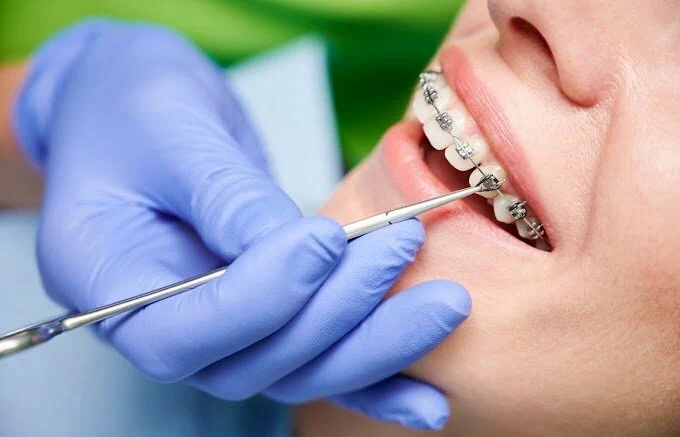
Brackets are visible during orthodontic treatment, but important changes happen around the tooth roots. As each bracket holds an archwire, planned forces reach the teeth and their supporting tissues. Understanding this process helps people considering self-ligating braces in Singapore see how appliance design works with the body’s natural response.
The Journey of Force From Wire to Tooth Root
An archwire placed in the bracket slots tends to return towards its original shape. Its interaction with the brackets transfers forces to individual teeth. The direction and amount depend on the wire’s material, thickness, shape, and engagement. The orthodontist selects and changes wires as treatment progresses.
The force reaches the periodontal ligament, a thin layer of tissue between each root and the surrounding bone. This tissue responds to pressure and tension, triggering biological changes that allow gradual movement. The bracket is a connection point in this system; it does not physically push a tooth through bone.
The Tissue Response That Makes Alignment Possible
The periodontal ligament contains cells and blood vessels. Orthodontic pressure compresses some areas and stretches others, prompting signals that influence bone-remodelling cells. Bone is gradually removed on the pressure side and formed on the tension side.
This coordinated response creates room for a tooth to move while its supporting structures adapt. The process is gradual and varies between individuals. Excessive force does not make it safely faster, so the orthodontist monitors progress and adjusts treatment when needed.
What the Built-In Clip Changes
A self-ligating bracket has a built-in door or clip. Rather than using a separate elastic module or metal tie, the orthodontist closes this mechanism over the archwire. An active clip contacts the wire, while a passive door encloses it with less direct contact. Both designs hold the wire within the bracket slot.
The clip does not decide the direction of tooth movement. That depends on the treatment plan, bracket placement, and archwire. The mechanism changes how the wire is secured and accessed during appointments; it does not guarantee faster treatment or remove the need for adjustments.
Details That Help Explain the Hidden Mechanics
Tooth movement involves several connected elements:
- Wire Shape: Provides the programmed form that guides the dental arch.
- Bracket Slot: Positions the wire in relation to each tooth.
- Clip Mechanism: Keeps the wire seated within the bracket.
- Periodontal Ligament: Transfers biological signals in response to pressure.
- Bone Remodelling: Allows the tooth’s supporting socket to adapt gradually.
Together, these elements show why treatment requires suitable appliances, a planned wire sequence, and clinical supervision.
Why Small Adjustments Can Change the Direction of Movement
At each appointment, the orthodontist checks the response and decides whether a different wire or adjustment is needed. A wire suitable at an early stage may not provide the control required later. Its size and shape affect how it engages with bracket slots and distributes forces.
Bracket angle and height also influence the wire’s relationship with each tooth. If an attachment becomes loose or damaged, the intended force may change. Patients should contact the clinic rather than wait for their next visit.
Patients comparing affordable self-ligating braces should ask what the quoted fee includes, such as fitting, review appointments, repairs, and retainers. Understanding these details helps compare treatment plans fairly, while ensuring that clinical suitability and professional follow-up remain central to the decision before making decisions.
Reading the Signs During Active Treatment
Mild tenderness after fitting or adjustment can occur as supporting tissues respond to pressure. It usually eases, but severe or persistent pain should be discussed with the orthodontic team.
-
Pressure or Tenderness
Teeth may feel sensitive when biting for a short period after an adjustment. Softer foods can make eating more comfortable while the tenderness settles.
-
Changes in Tooth Position
Small visible changes may appear gradually rather than immediately. The orthodontist checks progress at review visits and compares it with the treatment plan.
-
Irritation From Brackets
The lips or cheeks may rub against new brackets. Orthodontic wax can help protect irritated areas, and the clinic can advise if the problem continues.
-
A Loose or Damaged Component
A bracket that moves, a wire that pokes, or a clip that does not close properly needs professional attention. Avoid trying to repair the appliance yourself.
-
Changes in Bite Contact
As teeth move, the way upper and lower teeth meet can feel different. Mention persistent or unexpected bite changes at the next appointment, or contact the clinic sooner if they cause difficulty.
The Role of Patient Habits in the Biological Process
The appliance provides force, but daily habits help maintain oral health. Brush carefully around brackets, clean between teeth, and attend scheduled appointments. Sticky or hard foods can damage wires or brackets and interrupt treatment.
Patients researching self-ligating braces in Singapore should remember that cooperation matters with any fixed braces system. Good hygiene and prompt reporting of damaged components help keep care on track.
Planning for Stability After the Braces Come Off
After the planned movements are complete, braces are removed, but supporting tissues still need time to adapt. Retainers help limit unwanted movement while the bone and periodontal ligament adjust. The type and wearing schedule depend on individual needs.
Teeth can shift after active treatment, so retainers are an important part of care. Follow the orthodontist’s instructions and attend recommended reviews to help maintain the result.
Conclusion
Self-ligating treatment works through a partnership between bracket design, archwire mechanics, and the body’s natural response. The clip holds the wire, the wire transfers controlled forces, and the periodontal ligament and surrounding bone adapt gradually. Understanding these processes helps patients appreciate why treatment requires careful planning, regular monitoring, and consistent care.
For those exploring affordable self ligating braces, Bracesaurus offers orthodontic options including self-ligating metal and ceramic braces, alongside other treatments for suitable patients. Dr Wee Teng Yau is an MOH-accredited orthodontic specialist. A consultation can help you understand your alignment needs, discuss the available bracket systems, and review a treatment plan based on your individual dental condition.










Leave a Reply