


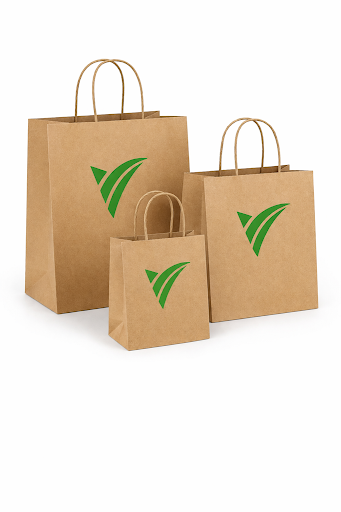
A paper bag may appear to be a simple packaging item, but its journey begins long before it reaches a shop counter. The source of the paper, the manufacturing process, the printing method, and the finished bag’s usability all contribute to its overall value. As businesses pay greater attention to responsible sourcing, FSC-certified paper bags have become an important consideration for brands looking to make more informed packaging choices.
For retailers, food businesses, supermarkets, fashion companies, and e-commerce brands, packaging needs to do several jobs at once. It must protect or carry products, support daily operations, look professional, and meet the organization’s material and environmental expectations. Understanding what FSC certification means can help buyers ask better questions and make more considered purchasing decisions.
Understanding FSC Certification
The Forest Stewardship Council (FSC) is an organization associated with responsible forest management and the traceability of forest-based materials. FSC certification systems are designed to help verify that materials and supply chains meet defined requirements. Depending on the applicable certification and product claim, certification can relate to forest management, chain of custody, or the sourcing and handling of certified material.
For a packaging buyer, the key point is that a certification claim should be supported by valid documentation and used correctly. Businesses should confirm the scope of a supplier’s certification, the relevant product claim, and whether the specific bags being purchased are covered.
Choosing FSC-certified paper bags can help businesses align packaging procurement with responsible sourcing objectives. It also gives procurement teams a clearer basis for discussing material origins with suppliers. Buyers should avoid assuming that every paper product from a supplier is automatically certified; the claim needs to apply to the relevant product and order.
Why Paper Sourcing Matters to Brands
Packaging is part of a company’s wider supply chain. A business may have policies covering raw materials, supplier standards, waste reduction, and environmental reporting. Paper bags can be a visible part of those commitments because customers interact with them directly.
A sourcing decision can influence how a brand communicates its values. However, environmental messaging should always be accurate. Companies should make claims that they can substantiate and should not imply that certification guarantees every aspect of a product’s environmental performance.
The most useful approach is to combine responsible material selection with practical packaging design. A bag should be appropriately sized, strong enough for its contents, and suitable for its intended use. Selecting the right paper weight and construction can help avoid unnecessary material consumption and reduce the likelihood of bags failing during normal handling.
How to Select a Paper Bag Wholesaler
Finding a dependable paper bag wholesaler involves more than comparing the unit price. Buyers need to consider product consistency, manufacturing capacity, printing quality, delivery arrangements, and the supplier’s ability to meet specifications over repeated orders.
A business should begin by identifying its packaging requirements. These may include:
- Bag style and dimensions.
- Paper grade and grammage.
- Handle type and strength.
- Printing colours and artwork.
- Required quantity and delivery schedule.
- Material sourcing and certification documentation.
A supplier should be able to explain which specifications are available and what information is needed to prepare a quotation. For larger orders, buyers should request samples and confirm that the approved sample represents the product that will be manufactured.
When certification is important, ask for relevant documentation and verify that the claim applies to the material and product being supplied. This is especially important for businesses that need to maintain procurement records or communicate sourcing information to customers.
Different Bag Designs for Different Business Needs
The right design depends on the product being carried and the environment in which the bag will be used.
SOS paper bags have a square bottom that allows them to stand upright. They are commonly suited to food outlets, grocery operations, pharmacies, and other high-volume uses where convenient filling is important.
Flat-handle paper bags provide a practical option for retail, apparel, gifting, and everyday shopping. The handle design can be comfortable to carry and suitable for regular store use.
Twisted-handle paper bags are often selected by boutiques and premium retailers. Their handle construction and appearance can support a more polished presentation.
Sheet-fed paper bags can be used for packaging where design finishes are important. Depending on the product specification, they can support options such as foiling, embossing, UV coating, and other decorative treatments.
E-commerce paper bags are designed around dispatch and delivery requirements. Features such as peel-and-seal flaps and suitable printing can help integrate packaging with online order fulfillment.
A manufacturer with several production options can help businesses choose a style that balances appearance, carrying performance, and operational needs.
Printing Turns a Carry Bag into Brand Communication
The printed surface of a paper bag provides space for a logo, colors, campaign messages, and useful customer information. A carefully designed bag can maintain brand consistency across stores, events, and delivery channels.
Flexographic printing is widely used for production runs where consistent results and efficient output are important. Offset printing can support detailed designs and premium visual presentation. The choice depends on the artwork, quantity, material, and required finish.
Some businesses may also consider QR codes, which can direct customers to a website, product catalogue, feedback page, or loyalty programme. Decorative treatments such as foil, embossing, and UV coating can be useful for premium packaging, although they should be selected with the overall material and recycling considerations in mind.
Before production begins, the buyer should approve the artwork, colour references, bag dimensions, and sample. This helps reduce errors and makes repeat orders easier to manage.
Questions to Ask Before Ordering
A responsible packaging purchase requires clear communication. Buyers should ask whether the manufacturer produces the bags in-house or outsources production, what quality checks are performed, and how printing consistency is maintained.
If the order requires FSC-related claims, request the applicable certification details and confirm the exact product coverage. Ask how the supplier handles changes in paper specifications and whether the same material can be maintained across future production runs.
It is also worth discussing lead times, minimum order quantities, delivery locations, and the process for handling damaged or non-conforming goods. A supplier that explains these points clearly can make procurement more predictable.
The Role of Manufacturing Consistency
For a business with multiple outlets, packaging must look and perform consistently. Differences in paper shade, dimensions, handle attachment, or print alignment can affect the customer experience. A manufacturer with dedicated production lines and in-house printing can coordinate these elements more closely.
VTPL Paper Bags describes its manufacturing operations in Bangalore and offers a range of paper bag types, custom printing, and pan-India delivery. Its website also identifies FSC-certified kraft among its material and sustainability features. Buyers should discuss the precise certification documentation and product specifications required for their own order.
Conclusion
Choosing paper packaging is not simply a design decision. It involves material sourcing, product performance, manufacturing quality, and accurate communication about environmental claims. Understanding certification and asking suppliers the right questions can help businesses make procurement decisions with greater confidence.
For companies comparing FSC-certified paper bags and looking for a capable paper bag wholesaler, VTPL Paper Bags offers multiple bag formats and customization options for different industries. A well-defined specification and a clear discussion about sourcing, printing, and delivery are good starting points for a successful packaging order.









Leave a Reply