


Gold has been a significant asset and a symbol of wealth in India for centuries. The country is one of the largest consumers of gold, with a penchant for using it in jewelry, investment, and religious practices. Given India’s deep-rooted association with gold, the fluctuations in its price can have a considerable impact on the economy and the average consumer.
Analyzing the gold price chart india 10 year provides invaluable insights for investors, jewelers, and households alike. This article will delve into the trends, factors influencing gold prices, and implications for the future.
Understanding the Gold Price Chart for India Over 10 Years
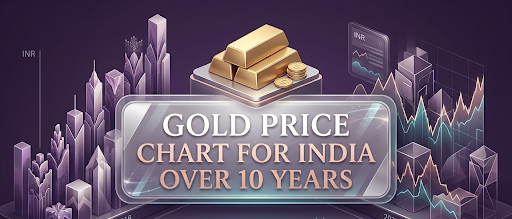
The gold price chart for India over the last decade illustrates volatility, trends, and various economic indicators that influence gold prices. The chart reflects several essential phases:
- Stability and Gradual Increase (2013-2015):
Between 2013 and 2015, gold prices in India were relatively stable, albeit with a gradual increase. The prices hovered around ₹25,000 to ₹30,000 per 10 grams. Factors such as a stable global economy and improved currency strength played a role in keeping prices in check. - Sharp Surge (2016-2018):
The period from 2016 to 2018 marked a significant spike in gold prices. Prices surged to approximately ₹35,000-₹40,000 around 2018. This increase was driven by several factors, including geopolitical tensions, increasing global demand for gold as a safe haven during economic uncertainty, and a weakening Rupee against the Dollar. - Volatility and Peaks (2019):
In 2019, gold prices underwent a volatile phase, influenced by the escalating trade wars between the United States and China, alongside economic downturns in several countries. The price peaked around ₹39,000 per 10 grams, reflecting investor wariness of stock market fluctuations and seeking safe investments. - Pandemic Surge (2020):
The COVID-19 pandemic was a pivotal event that dramatically altered economic landscapes worldwide. Gold prices soared to unprecedented levels, reaching an all-time high of around ₹56,000 per 10 grams in August 2020. As global markets plummeted and uncertainty gripped economies, gold emerged as a safe-haven asset. The Reserve Bank of India’s interest rate policies and expansive monetary policies worldwide further propelled gold prices. - Post-Pandemic Adjustments (2021-2023):
Post-2020, gold prices saw fluctuations as the world began adjusting to the new normal. By 2021, gold prices settled between ₹45,000 and ₹50,000 per 10 grams, reflecting a mix of economic recovery, inflation concerns, and ongoing geopolitical uncertainties. As of 2023, prices have remained around ₹60,000, showcasing inflationary pressures and ongoing supply chain issues in the global market.
Key Factors Influencing Gold Prices in India
Several factors play an influential role in the fluctuations of the gold price chart for India over the past decade:
1. Global Economic Conditions:
Global economic health significantly impacts gold prices. During times of economic instability, gold often increases in value, as illustrated in 2020. Conversely, during periods of growth, the demand for gold may dip as investors seek higher returns in equity markets.
2. Inflation and Currency Value:
Inflation rates and the strength of the Indian Rupee against foreign currencies (especially the US Dollar) directly affect the purchasing power and pricing of gold. Gold is often seen as a hedge against inflation; therefore, when inflation rises, so does demand for gold.
3. Monetary Policies:
The Reserve Bank of India’s policies regarding interest rates and gold reserves can also impact gold prices. Lower interest rates encourage investment in gold, as the opportunity cost of holding non-yielding assets decreases.
4. Cultural Factors:
In India, gold is more than just a commodity; it is deeply intertwined with cultural practices. Seasonal demand surges during festivals and wedding seasons typically lead to price hikes.
5. Geopolitical Tensions:
Conflicts and uncertainties on a global scale often see a rise in gold prices. Investors flock to gold as a safe-haven asset during tumultuous times.
Implications of the Trends Revealed by the Gold Price Chart
The analysis of the gold price chart reveals several implications for various stakeholders:
For Investors:
- Diversification: The volatility seen in gold prices indicates the importance of diversifying investment portfolios. Investors should consider including gold as a hedge against market downturns.
- Market Timing: Shifts and surges in gold prices indicate the need for strategic timing when investing in gold, particularly for those looking to purchase physical gold.
For Jewelers:
- Pricing Strategies: Jewelers must stay updated with gold price trends to adjust their pricing strategies accordingly. Understanding market fluctuations can also aid in inventory management.
- Consumer Trends: Higher gold prices may lead consumers to be more selective about purchases, prompting jewelers to innovate with designs or offer more affordable options.
For Households:
- Long-Term Investment: For individuals, investing in gold can offer a sense of security amidst economic uncertainty. Saral investments in gold, like acquiring small amounts or investing in Exchange Traded Funds (ETFs), can be a wise long-term strategy.
- Cultural Significance: Families considering gold purchases for cultural or ceremonial purposes should be mindful of market conditions and potential price trends to make informed decisions.
Conclusion
In summary, the gold price chart for India over the past ten years reveals more than just numerical fluctuations; it tells a story of economic trends, socio-cultural influences, and personal investment strategies. As India continues to navigate its economic landscape while remaining one of the largest consumers of gold in the world, understanding these dynamics becomes crucial. Whether for investment purposes, jewelry, or cultural practices, awareness of gold price trends will empower individuals and businesses alike to make well-informed decisions in an ever-evolving market landscape.
Gold will continue to play a critical role in the Indian economy, with its price chart serving as a valuable tool for insights and decisions. As we look to the future, analysts will watch these trends keenly, but one thing remains certain: gold, in all its forms, continues to hold tremendous significance in India, irrespective of market fluctuations. Bajaj Finance can also help you explore financial solutions to support your financial goals.









Leave a Reply