


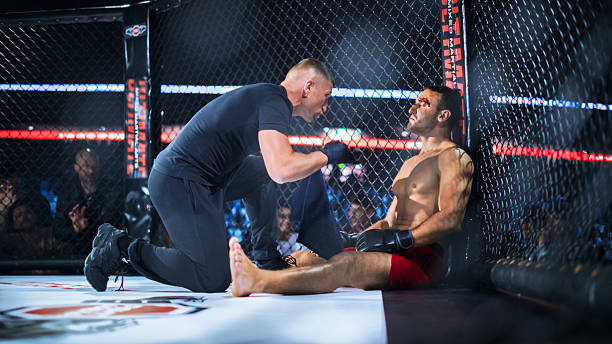
Wrestling is one of the oldest combat sports, and it is also one of the best places to start if you want to learn how to fight. You do not need to be strong or fast on day one. You just need to learn a few basic moves and practice them the right way. Many beginners try to learn too much at once. That usually leads to confusion and bad habits. A better plan is to focus on the core skills first. These include your stance, how you move, how you grab, and how you take someone down or stay on your feet. If you train at a miami wrestling program, your coach will teach you most of these in the first few weeks. This guide covers the techniques that matter most, why they matter, and how to practice them. Read it, take it to the mat.
Start With a Solid Stance
Your stance is the base for everything else. If it is weak, every move after it gets harder.
Here is the basic setup:
- Feet a bit wider than your shoulders
- Knees bent, with your weight on the balls of your feet
- Back straight, chest up, head neutral
- Hands out in front, elbows in, palms open
Keep your hips low. A low stance makes it hard for the other person to get under you. It also lets you shoot forward fast.
Most beginners stand too tall. Others bend at the waist and lean over. Both mistakes make you easy to push or pull off balance. Check yourself in a mirror, or ask a partner to push you lightly from different angles. If you stay put, your stance is working.
Learn to Move Without Crossing Your Feet
Good footwork keeps you balanced and ready. Wrestlers move in short steps and keep their feet apart. They never cross them.
The two basic steps are the shuffle and the circle. In a shuffle, you push off your back foot and slide the front foot forward. Then you bring the back foot up to reset your stance. The same idea works moving back or to the side. In a circle, you step around your partner while keeping your hips low and your eyes on their chest.
Practice these steps for a few minutes at the start of each session. Move forward, back, left, and right. Keep your head level, so it does not bob up and down. This is boring work, but it pays off. Almost every takedown starts with a good step.
Control the Upper Body With Hand Fighting
Before a takedown, there is a fight for grips. This is called hand fighting. The goal is to control your partner’s arms and head while keeping them from controlling yours.
Some basic grips to learn:
- Collar tie: one hand on the back of the neck
- Underhook: your arm goes under their arm, close to the armpit
- Overhook: your arm goes over their arm
- Wrist control: you hold their wrist to stop them from reaching
The collar tie lets you pull their head down and break their posture. The underhook is one of the most useful positions in wrestling because it gives you leverage and angles.
Keep your elbows tight. If your elbows flare out, your partner can slip inside and take your grip. Stay active with your hands. Slap away a tie, then reset.
Change Levels Before You Shoot
A level change means lowering your hips and knees so you can get under your partner’s hips. It is the move that comes right before most takedowns.
Do not just bend over. Bend your knees and drop your hips straight down, keeping your back flat and your head up. Think of it like a quick squat.
If you drop your head, you invite a front headlock or a guillotine choke. If you reach with your arms before your legs move, you get countered. The legs do the work.
A simple drill is to stand in your stance, drop your level, and stand back up. Do ten reps, then ten more. You can also pair it with a step forward, which brings us to the penetration step.
The Penetration Step
The penetration step is the long, fast step that gets you close to your partner’s legs. It is what turns a level change into a real shot.
Step your lead knee forward so it nearly touches the mat, right between your partner’s feet. Keep your back foot pushing. Your head stays up, and your chest stays close to their body.
Beginners often step too short and end up reaching. Others step too far and fall on their face. The right distance takes practice. Start slow with a partner standing still. Then speed up once the movement feels natural.
The Double Leg Takedown
The double leg is the most common takedown in wrestling. It is simple, and it works at every level.
Here is how it goes:
- Set your stance and change levels.
- Take a deep penetration step between their feet.
- Wrap both arms around the back of their thighs, just below the hips.
- Put your head on the side of their body, near the ribs.
- Drive forward with your legs, and pull their legs toward you.
- Turn the corner by stepping your back leg up and across, then bring them down.
The key is to keep driving. Many beginners stop after they grab the legs, and then the move stalls. Think of it as running through your partner.
Do not shoot from too far away. If you are out of range, you will get sprawled on. Use your hand fighting to set up the shot, and shoot when you are close.
The Single Leg Takedown
The single leg is a good backup. If the double leg gets stuffed, you can often switch to a single.
You start the same way, with a level change and a step. But instead of grabbing both legs, you control one. Hold it close to your chest, and keep your head tight against their body.
From there, you have a few options. You can stand up and lift the leg, then turn them to the mat. You can run the pipe, which means you step around and drive them sideways. Or you can switch to a double leg if their weight shifts.
The single leg is great for beginners because it gives you time to think. You are not committing both arms at once. Practice it slowly, and learn one finish before you try the others.
Sprawl to Defend Takedowns
You will not always be the one shooting. You also need to know how to stop a takedown. The sprawl is the main way to do it.
When your partner drops to shoot, kick your legs back and push your hips down toward the mat. At the same time, push down on their head or shoulders with your hands. Your chest should end up on their back, and your legs should be wide.
Speed matters here. You have to react as soon as you see their level change. If you wait, they will already have your legs.
After the sprawl, do not just lie there. Spin behind your partner and try to take their back, or reset to your feet. Good wrestlers use the sprawl to start their own attack.
A good drill is the sprawl and stand up. Drop down, pop back up, and repeat. It is tiring, but it builds the habit.
Basic Escapes and Mat Control
Not every match stays on your feet. You need to know what to do when you end up on the bottom, and what to do when you end up on top.
For the bottom position, two escapes are worth learning first. The stand up is where you get your hips up, post a hand, and rise to your feet while fighting off their grip. The sit out is where you slide a leg through and turn toward your partner, which frees your hips.
On top, learn to stay heavy. Keep your chest over their back and your hips low. Control one arm and the far hip. If they move, follow them, and stay tight.
Do not rush these. Mat wrestling is slow and based on pressure. Small moves matter more than big ones.
Learn to Fall Safely
Falling is part of wrestling. If you do it wrong, you can get hurt.
The basic rule is to never reach back with a straight arm to catch yourself. This is how wrists and elbows get injured. Instead, tuck your chin, round your back, and let your whole body land at once. Spread the impact across your back and arms.
Practice falling on a soft mat from a low position first, such as from a squat. Then move up to standing. Many coaches also teach a forward roll, which helps when you get thrown or pushed.
This skill also helps outside the sport. It can lower your risk of injury in daily life.
How to Practice and Where to Train
You can read about techniques all day, but wrestling is learned on the mat. Drilling with a partner is the best way to build skill. Pick one move per session and repeat it until your body knows it. Then try it against light resistance.
Train two or three times a week if you can. Rest days are important too. Beginners often get sore in new places, and that is normal.
Your gym matters as much as your effort. Look for a coach who teaches the basics well and cares about safety. Watch a class before you sign up. If you are searching for mma gyms miami, check whether they offer a dedicated wrestling class, since that is where you will learn takedowns and control in detail. Also ask about beginner groups, so you are not thrown in with advanced athletes right away.
Finally, be patient. Most people feel clumsy for the first month. That is part of learning.
Final Thoughts
Wrestling basics are not complicated, but they take time. Start with your stance and footwork. Add hand fighting, level changes, and the double and single leg takedowns. Learn to sprawl, escape, and fall safely. Do each one well before you move on.
Get on the mat, drill the basics, and keep showing up. That is how you get better.













Leave a Reply