


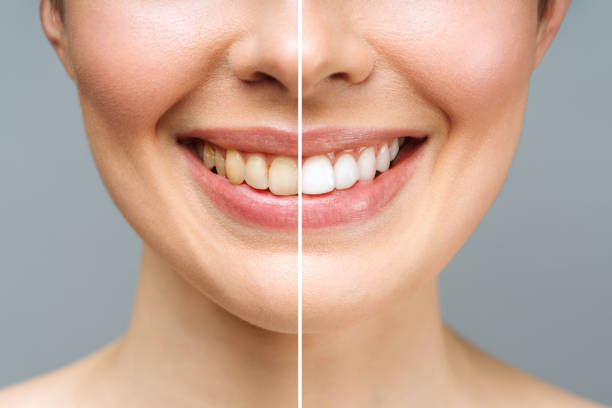
A professional whitening treatment can lighten your teeth by several shades in one visit. But the results do not last forever. Your teeth start picking up stains again from the first day, and your daily habits decide how fast that happens. Coffee, tea, red wine, and smoking are the usual causes. Poor brushing makes it worse. The good news is that you can slow it down with a few simple steps. If you got your treatment through a clinic that offers teeth whitening miami, your dentist probably gave you some aftercare tips. This article puts those tips in one place and adds a few more. You will learn what to eat and drink in the first two days, how to brush, which products help, and when a touch up makes sense. Small changes add up, and most of them cost very little.
Why Your Teeth Are Extra Sensitive to Stains Right After Whitening
Whitening gel opens the tiny pores in your enamel so the bleaching agent can reach the stains inside. After the treatment, those pores stay open for a short time. During this window, your teeth can soak up color from food and drinks much faster than normal.
Most dentists say the first 24 to 48 hours matter the most. Your enamel is also a bit dry right after treatment, which makes teeth look whiter than they really are for a day or two. Then they settle to their true shade. Do not panic if they look slightly less bright after a few days. That is normal.
So the first two days are when you need to be the most careful. After that, you can go back to a normal routine with a few smart changes.
Follow the White Diet for the First 48 Hours
A white diet means eating and drinking only light-colored foods for the first two days. It sounds strict, but it works.
Good choices include:
- Plain rice and pasta
- Chicken and white fish
- Eggs and egg whites
- Bananas, apples, and cauliflower
- Plain yogurt, milk, and white cheese
- Potatoes without the skin
- Water
Foods and drinks to avoid:
- Coffee and black tea
- Red wine and dark sodas
- Tomato sauce and ketchup
- Soy sauce and balsamic vinegar
- Berries, beets, and curry
- Chocolate
- Dark sauces and gravy
If you cannot give up coffee for two days, drink it through a straw and rinse your mouth with water right after. It is not perfect, but it helps.
Brush the Right Way
Brushing twice a day is the base of any whitening routine. But how you brush matters just as much as how often.
Use a soft-bristle toothbrush. Hard bristles can wear down your enamel over time, and thin enamel lets the yellow layer underneath show through. Brush gently in small circles for two full minutes. Do not scrub hard. Pressure does not clean better. It only hurts your gums.
Brush along the gumline too, since plaque builds up there and turns yellow. Also brush your tongue, because bacteria on it can add to bad breath and plaque.
Replace your toothbrush or brush head every three months. Old bristles clean poorly and can hold germs.
Choose Toothpaste With Care
Not all toothpaste is the same. Some whitening toothpastes use strong abrasives that can scratch the enamel, especially if you use them every day.
Look for a toothpaste with the ADA Seal of Acceptance. It should have fluoride, which protects your enamel. If your teeth feel sensitive after treatment, pick a toothpaste made for sensitive teeth. These contain ingredients like potassium nitrate that calm the nerves inside the tooth.
You can use a whitening toothpaste two or three times a week and a regular fluoride one on the other days. Ask your dentist what they recommend for your teeth. Some people have thin enamel or gum recession and need a gentler option.
Floss and Rinse Every Day
Brushing alone does not reach the spaces between your teeth. Plaque and food stay there and cause stains, and they also cause cavities and gum disease.
Floss once a day. If regular floss is hard to use, try floss picks or a water flosser. The best tool is the one you will actually use.
A fluoride mouthwash can add another layer of protection. Pick one without alcohol if your mouth feels dry or sensitive. And use it at a different time from brushing, so you do not wash away the fluoride from your toothpaste.
Cut Back on Stain-Causing Drinks
You do not have to quit coffee and wine for good. But you should know how much damage they do and how to lower it.
Coffee, tea, red wine, cola, and sports drinks all stain teeth. Many of them are also acidic, which weakens the enamel and makes staining easier.
Here are some ways to reduce the harm:
- Use a straw for iced drinks, and place it toward the back of your mouth
- Drink water between sips of coffee or wine
- Rinse your mouth with water after you finish
- Add milk to your coffee or tea, which lightens the color
- Try not to sip a drink slowly for hours, since that keeps the stain on your teeth longer
And do not brush right after acidic drinks. Wait about 30 minutes. Acid softens the enamel for a short time, and brushing too soon can wear it down.
Watch Out for Hidden Stain Sources
Some foods do not look like a problem but still leave marks. Know the common ones.
Tomato sauce, curry, and soy sauce are strong stainers. So are blueberries, blackberries, and pomegranate juice. Dark sauces like barbecue and balsamic vinegar leave color behind, and so do some candies and popsicles with dyes.
Certain medications and mouthwashes can also stain. Mouthwashes with chlorhexidine are one example. If you use a prescription rinse, ask your dentist about it.
You do not need to avoid all of these. Just rinse with water after eating them, and eat crunchy foods like apples, carrots, and celery with your meal. They help scrub the surface of your teeth.
Quit Smoking and Tobacco
Tobacco is one of the worst things for white teeth. Nicotine and tar leave yellow and brown stains that are hard to remove. This includes cigarettes, cigars, chewing tobacco, and vaping products that contain nicotine.
If you smoke, whitening results fade much faster. The stains can show up within weeks. Tobacco also raises your risk of gum disease and mouth cancer.
Quitting is hard, but it helps your teeth and your health. Ask your doctor about patches, gum, or other tools. If you cannot quit right away, cut back and brush after each time you smoke.
Keep Up With Dental Cleanings
Regular cleanings remove surface stains and tartar that brushing cannot. Most people should see a dentist every six months. Some need to go more often, based on their gum health and habits.
A professional cleaning polishes the teeth and keeps them looking bright. It also lets your dentist check for cavities and other problems early. This matters because cavities and old fillings can change how your whitening looks. Whitening does not work on crowns, veneers, or fillings, so they can look darker next to your lighter natural teeth.
If you live near Broward County, a clinic that offers teeth whitening hallandale beach can also schedule your cleaning and your follow-up checks in the same place. Ask about a plan that fits your needs.
Use Touch-Up Treatments Wisely
Even with good habits, your teeth will darken over time. A touch up can bring the shade back.
How long whitening lasts depends on the person. Many people see results for six months to two years. Heavy coffee and wine drinkers and smokers will need touch ups sooner.
There are a few ways to do a touch up:
- Custom trays: Your dentist makes trays that fit your teeth. You use them at home with a gel they give you.
- Whitening strips: These are cheaper and easy to use, but they do not fit as well.
- In-office treatment: This is the strongest option and is done by a professional.
Do not overdo it. Too much whitening can damage your enamel and gums, and it can cause lasting sensitivity. Follow your dentist’s advice on how often to touch up. Most people do it once or twice a year.
Manage Sensitivity After Treatment
Tooth sensitivity is common after whitening. You might feel a sharp zing when you drink something cold or breathe in cold air. It usually fades within a few days.
Here is what can help:
- Use toothpaste for sensitive teeth
- Avoid very hot or very cold food and drinks
- Use a straw to keep drinks away from your teeth
- Brush gently with a soft brush
- Skip acidic foods for a few days
If the pain is strong or lasts more than a week, call your dentist. It could be a sign of a different problem, like a cracked tooth or a cavity.
Protect Your Teeth If You Grind Them
Grinding your teeth at night wears down the enamel and can cause tiny cracks. This makes teeth look dull and yellow, and it makes stains stick more easily.
If you wake up with a sore jaw or a headache, you may be grinding. Ask your dentist to check. A night guard can protect your teeth while you sleep. A custom one fits better than the kind you buy at a store.
Stress is a common cause, so finding ways to relax can help too.
Drink Plenty of Water
Water is the simplest tool you have. It washes away food and acid, and it keeps your mouth moist. Saliva is your natural defense against stains and cavities, and you make less of it when you are dehydrated.
Drink water through the day. Swish a mouthful after meals and snacks when you cannot brush. It is not a replacement for brushing, but it helps.
Final Thoughts
Keeping your teeth white takes steady habits, not a big effort. Stick to the white diet for the first two days. Brush softly, floss every day, and rinse after dark drinks. Cut back on tobacco, keep your cleanings on schedule, and plan touch ups with your dentist.
You paid for a brighter smile, so it makes sense to protect it. Pick two or three of these habits and start today.













Leave a Reply