


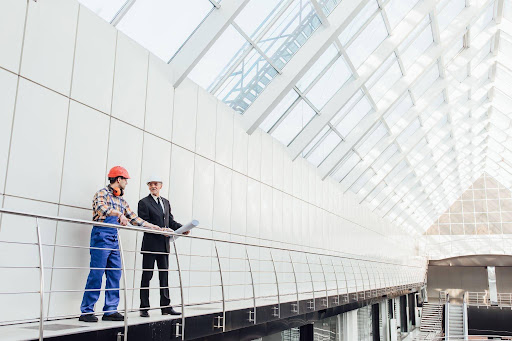
What makes today’s buildings stronger, more efficient, and capable of supporting increasingly ambitious designs? The answer lies not only in innovative architecture but also in the structural systems that make those designs possible. As cities expand and construction projects become more complex, developers and engineers are expected to deliver buildings that combine structural strength, flexibility, sustainability, and long-term durability while meeting demanding project timelines.
Although traditional construction methods remain widely used, they may not always satisfy the performance requirements of modern developments. This has accelerated the adoption of post-tension solutions, which enable longer spans, optimized material usage, reduced structural weight, and greater architectural freedom. From high-rise residential towers and commercial complexes to bridges and large infrastructure projects, these advanced structural systems are redefining modern construction by improving efficiency, enhancing performance, and supporting innovative building designs for the future.
Modern Construction Requires Smarter Structural Systems
Traditional reinforced concrete remains a fundamental component of modern construction, but evolving architectural and engineering requirements have increased the demand for more efficient structural systems. Today’s projects often require longer spans, open floor layouts, fewer supporting columns, and greater design flexibility. Meeting these expectations calls for innovative engineering approaches that enhance structural performance while maximizing usable space and construction efficiency.
Advanced structural systems address these challenges by offering:
- Longer structural spans
- Reduced concrete consumption
- Improved load distribution
- Greater design flexibility
- Enhanced structural performance
These advantages allow project teams to balance architectural creativity with engineering reliability.
Why Structural Innovation Matters
Modern construction projects are expected to deliver far more than structural stability. Developers and project teams must balance safety, efficiency, sustainability, and cost-effectiveness while meeting strict quality standards and project deadlines. As building designs become increasingly complex, selecting structural systems that optimize material usage, improve long-term performance, and support faster construction has become a key priority for achieving successful project outcomes.
Modern structural systems contribute by:
- Increasing construction efficiency
- Supporting sustainable building practices
- Lowering maintenance requirements
- Improving building lifespan
- Reducing overall structural weight
By integrating innovative engineering techniques, projects can achieve both economic and environmental benefits.
The Growing Role of Post-Tension Technology
One of the most significant advancements in structural engineering is the widespread adoption of post-tension solutions. Unlike conventional reinforcement methods, post-tensioning introduces controlled compression into concrete after it has gained sufficient strength. This improves the slab’s ability to resist tensile forces while allowing longer spans and slimmer structural elements.
Common applications include:
- High-rise residential buildings
- Commercial office developments
- Shopping malls
- Hotels
- Parking structures
- Industrial facilities
The versatility of post-tension systems makes them suitable for a wide range of construction projects where both strength and efficiency are priorities.
Benefits Beyond Structural Strength
Advanced structural systems offer benefits that extend far beyond increasing a building’s load-bearing capacity. They contribute to every phase of a construction project by improving design flexibility, construction efficiency, material optimization, long-term durability, and overall project performance, making them an essential part of modern engineering practices.
Some notable benefits include:
- Faster construction progress
- Better space utilization
- Reduced material requirements
- Improved resistance to structural deflection
- Greater architectural freedom
- Lower lifecycle maintenance costs
These advantages help developers deliver projects that are both functional and economically sustainable.
Factors to Consider When Selecting a Structural System
Every construction project presents unique structural, technical, and commercial challenges. Selecting the most suitable structural system during the planning and design stages helps optimize performance, improve construction efficiency, manage costs, and ensure the building meets both functional and long-term operational requirements.
Key factors include:
- Building purpose and occupancy
- Structural span requirements
- Site conditions
- Load-bearing capacity
- Construction schedule
- Budget considerations
- Long-term maintenance requirements
- Sustainability objectives
Collaboration between architects, structural engineers, and project consultants ensures the selected system meets both design expectations and engineering standards.
Engineering Collaboration Drives Better Results
Advanced structural systems deliver the best results when architects, structural engineers, contractors, and consultants collaborate from the earliest stages of a project. Effective coordination improves design accuracy, resolves potential challenges before construction begins, streamlines decision-making, minimizes costly delays, and ensures efficient execution while maintaining quality, safety, and overall project performance.
An integrated approach offers several advantages:
- Optimized structural design.
- Better coordination between disciplines.
- Fewer construction conflicts.
- Improved material utilization.
- Enhanced project quality.
- More predictable project timelines.
This collaborative process enables informed decision-making and contributes to smoother project execution.
The Future of Structural Engineering
As construction technology continues to evolve, structural engineering is becoming increasingly focused on efficiency, sustainability, and innovation. Digital design tools, advanced analysis software, and modern construction techniques are helping engineers create buildings that perform better while using resources more responsibly.
Future developments are expected to emphasize:
- Sustainable construction practices.
- Smarter structural analysis.
- Digital project coordination.
- Innovative concrete technologies.
- Greater construction precision.
- Improved lifecycle performance.
These advancements will continue to influence how buildings are designed, constructed, and maintained, allowing the industry to meet growing demands without compromising safety or quality.
Conclusion
The construction industry continues to embrace advanced structural systems that improve efficiency, durability, and design flexibility. As projects become more complex, collaborating with experienced post-tension companies in Dubai can help developers and project teams implement structural solutions that support both technical performance and long-term value.
Selecting the right structural system is not simply an engineering decision but a strategic investment in the success of a project. By adopting innovative construction methods, engaging qualified professionals, and prioritizing quality throughout the design process, stakeholders can deliver buildings that meet modern performance expectations while remaining resilient for years to come.
Organizations seeking specialized engineering expertise benefit from working with experienced consultants who understand evolving construction technologies. Lyca Survey provides professional engineering and surveying solutions that support developers, contractors, and project teams throughout the construction lifecycle. Their technical expertise, commitment to quality, and client-focused approach help deliver efficient, reliable, and well-executed structural projects.









Leave a Reply