



Why are steel building structures becoming the preferred choice for modern construction, replacing traditional materials like concrete, brick, and wood? As cities grow taller, industries expand faster, and sustainability becomes a priority, the construction sector is rethinking how buildings are designed and built. Steel building construction has emerged as a practical, efficient, and future-ready solution, one that meets today’s demands without compromising long-term performance.
From warehouses and factories to commercial complexes and infrastructure projects, steel-based engineered structures are redefining how strength, speed, and flexibility come together. Let’s explore why steel building structures offer clear advantages over conventional materials and why they continue to shape the future of construction.
1. Superior Strength with Lighter Weight
One of the most significant advantages of steel building structures is their exceptional strength-to-weight ratio. Steel can carry heavy loads while using far less material than concrete or masonry. This makes it ideal for large-span buildings, high-rise structures, and industrial facilities where both strength and efficiency matter.
Because steel is lighter, foundations can be smaller and more economical. This not only reduces material costs but also speeds up the construction process. In contrast, conventional materials often require thicker sections and heavier foundations to achieve the same level of structural integrity.
2. Faster and More Predictable Construction
Time is a critical factor in construction, and steel building construction excels in this area. Steel components are typically fabricated off-site in controlled environments, ensuring precision and consistent quality. Once delivered to the site, these components are assembled quickly, reducing on-site labor and minimizing delays caused by weather or site constraints.
Compared to traditional construction methods, which involve curing times, extensive formwork, and longer execution cycles, steel structures allow projects to move from design to completion much faster. This speed can translate into earlier occupancy, quicker returns on investment, and reduced overall project risk.
3. Design Flexibility and Architectural Freedom
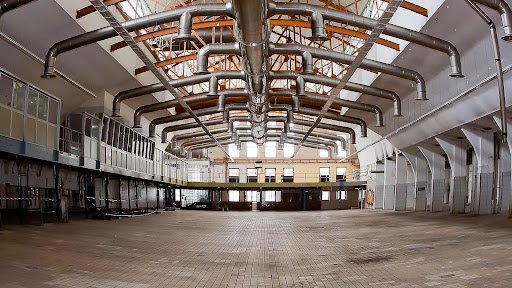
Steel offers unmatched design flexibility. Its high strength allows for longer spans and open layouts without the need for numerous columns or load-bearing walls. This is particularly beneficial for commercial spaces, warehouses, showrooms, and manufacturing units where adaptability is essential.
Engineered structures made from steel can easily accommodate future expansions or layout changes. Conventional materials, once set, are far more difficult and costly to modify. Steel’s adaptability ensures that buildings can evolve alongside business needs.
4. Durability and Long-Term Performance
Steel building structures are built to last. Unlike wood, steel does not warp, rot, or attract pests. Unlike concrete, it does not crack due to shrinkage or environmental changes when properly designed and protected.
With appropriate coatings and corrosion protection, steel structures can withstand harsh climates, heavy usage, and seismic activity. Their predictable behavior under load makes them a preferred choice for engineered structures where safety and reliability are paramount.
5. Cost Efficiency Over the Building Lifecycle
While the initial material cost of steel may sometimes appear higher than conventional materials, the overall lifecycle cost tells a different story. Faster construction reduces labor and financing costs. Lower maintenance requirements further enhance long-term savings.
Steel building construction also minimizes material wastage. Components are fabricated to precise specifications, and unused steel can be recycled. In contrast, traditional construction often generates significant on-site waste, adding to both cost and environmental impact.
6. Sustainability and Environmental Benefits
Sustainability is no longer optional, it is essential. Steel is one of the most recyclable construction materials available. Steel building structures can be dismantled, reused, or recycled at the end of their lifecycle without losing material quality.
Additionally, the efficiency of steel construction reduces resource consumption, transportation emissions, and site disturbances. For projects aiming to meet green building standards, steel-based engineered structures offer a strong environmental advantage over conventional materials.
7. Enhanced Safety and Structural Reliability
Steel’s ductility allows it to bend without sudden failure, providing critical warning before collapse. This property is especially valuable in seismic zones and high-load applications. Engineered structures designed with steel perform predictably under stress, enhancing overall building safety.
Traditional materials like concrete and masonry are more brittle and can fail suddenly if overloaded or improperly constructed. Steel building structures, when designed and executed correctly, offer greater resilience and peace of mind.
Conclusion
The shift from conventional materials to steel building structures is not a trend, it is a strategic evolution. Strength, speed, flexibility, sustainability, and long-term value make steel an undeniable choice for modern construction. Whether it’s industrial facilities, commercial buildings, or complex pre engineered structures, steel consistently delivers superior performance.
At Solvabuild, this philosophy is at the core of every project. By combining advanced steel building construction techniques with precision engineering and thoughtful design, Solvabuild creates structures that are not only strong and efficient but also built for the future. For businesses and developers looking to build smarter, faster, and more sustainably, steel, and Solvabuild, offer a foundation you can trust.











Leave a Reply