


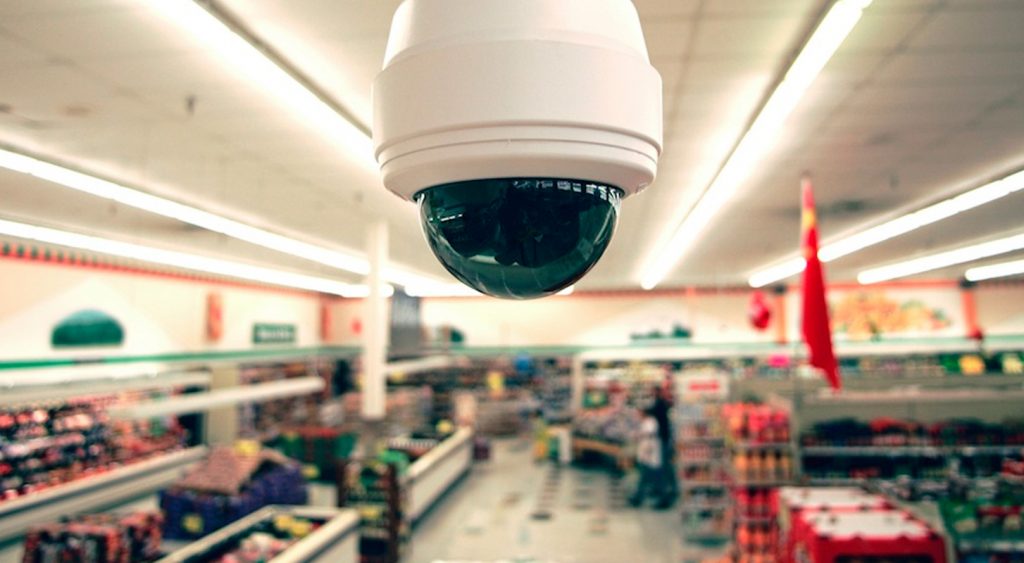
Retail theft can happen in seconds, but a poorly planned camera system may leave a store with footage that shows the event without clearly showing who was involved or how it happened. For New Zealand retailers, effective CCTV for Retail Stores in NZ should combine deterrence, useful identification, reliable recording and privacy-aware operation rather than simply adding more cameras.
Good planning also reduces wasted coverage and makes footage easier to review after an incident. Retailers considering CCTV maintenance and installation services in NZ should therefore start with store layout, risk zones, lighting, customer movement and evidence needs before choosing equipment.
Start with Loss Patterns Before Choosing Camera Locations
New Zealand Police says retail crime costs retailers $2.6 billion each year, making prevention planning a priority. A plan starts by identifying where losses occur and what evidence would be needed afterwards. That makes CCTV for Retail Stores in NZ part of a wider retail loss prevention strategy rather than a stand-alone purchase.
Review incidents, high-value products, staff sightlines, delivery doors and cash-handling points. When comparing business security cameras NZ, prioritise image usefulness and coverage continuity over camera count.
During a walk-through, ask: Where can someone enter? Where can stock or cash disappear? Which route would they most likely use to leave? Those answers should drive placement.
Place Cameras Where Identity and Behaviour Can Both Be Captured
Effective placement needs two views: close enough to identify a person and wide enough to understand events. Do not rely on one ceiling camera for an entire sales floor. Instead, retail security cameras should overlap at key movement points so another angle remains useful when displays or customers block the view.
Entrances Need Identification-Quality Views
For entrance monitoring, aim for an angle that captures faces as people cross the threshold, not just the tops of heads. Glass doors can create strong backlighting, so exposure settings and mounting position matter. A wide overview can show movement while a focused angle captures better facial detail.
Checkouts Need Transaction Context
Effective checkout monitoring should show the counter, payment area and surrounding interaction without unnecessarily recording PIN entry. Position shop CCTV cameras so staff actions, customer hand movements and product transfer can be reviewed together, helping distinguish theft, disputes and scanning errors.
High-Value Areas Need Overlapping Coverage
Small, valuable or easy-to-conceal goods may justify tighter views than low-risk shelving. Place cameras to reduce CCTV blind spots created by tall gondolas, promotional stands or seasonal displays. For shoplifting prevention, the aim is to capture the approach, selection, concealment and exit path when possible.
Rear Doors Need Purposeful Coverage
Delivery entrances, stockrooms and rear exits can be important loss points. A professional retail CCTV installation should consider access routes, door position and lighting while avoiding staff facilities or areas where recording would become unnecessarily intrusive.
Design Recording Around Evidence, Not Just Live Viewing
A retail surveillance system is only useful after an incident if footage is clear, correctly timestamped and still available. New Zealand Police advises retailers reporting theft to review and secure relevant CCTV footage, so retention and export capability matter as much as live viewing.
For practical operation:
- Test whether faces and actions remain recognisable during busy periods.
- Confirm the recorder keeps the correct date and time after power interruptions.
- Limit footage access to authorised staff rather than sharing administrator credentials.
- Check that clips export in a usable format without damaging the original record.
- Treat remote CCTV monitoring as controlled network access, with secure passwords and updates.
Well-designed CCTV for Retail Stores in NZ makes incident investigation faster because staff can trace a sequence across cameras instead of searching disconnected footage.
Privacy Rules Should Shape Camera Use From the Start
CCTV captures personal information, so New Zealand retailers should consider privacy before installation rather than after a complaint. The Office of the Privacy Commissioner advises organisations to define why footage is needed, collect only what is necessary, control access and tell people they are being recorded. Clear security camera signage is a common way to provide notice.
That means CCTV for Retail Stores in NZ should stay focused on legitimate security areas, while audio should not be enabled merely because equipment supports it. Retailers should decide who may view footage, how long recordings will be kept and how access requests will be handled. Privacy-aware planning can strengthen trust without weakening security.
Match System Design to Store Size, Layout and Operating Risk
Camera planning should follow the premises, because retail formats create different sightlines, evidence needs and storage demands.
- Compact dairy or convenience store: Prioritise the entrance, counter, high-risk stock and exterior approach. Doorway identification can outweigh several wide interior views.
- Fashion or specialty store: Racks and displays move frequently, so review sightlines after layout changes and overlap higher-risk areas.
- Larger or multi-zone store: Separate zones, longer retention, managed permissions and reliable network capacity become more important as camera numbers increase.
CCTV for Retail Stores in NZ should therefore be scoped from risk outward. In the lower North Island, Tech On Road is one example of a technical provider whose CCTV work includes IP/PoE camera setup, DVR/NVR configuration, structured cabling, remote viewing and ongoing support, with on-site coverage listed for Wellington, Hutt Valley, South Wairarapa and the Kapiti Coast. An integrated IT-and-security approach helps where reliability depends on network design as much as hardware.
Turn Camera Coverage Into a Practical Theft-Reduction Plan
The strongest retail CCTV plan is not the one with the most cameras, but the one that captures identity, follows movement, preserves evidence and fits privacy obligations. Walk through your premises as both a customer and a potential offender: can cameras see faces at entry, activity at checkout, high-risk merchandise and the route to an exit?
Test the system under real conditions—daylight, evening lighting, busy aisles and changing displays. If footage would not help document an incident today, improve placement, recording settings or maintenance before the next incident exposes the weakness.










Leave a Reply