


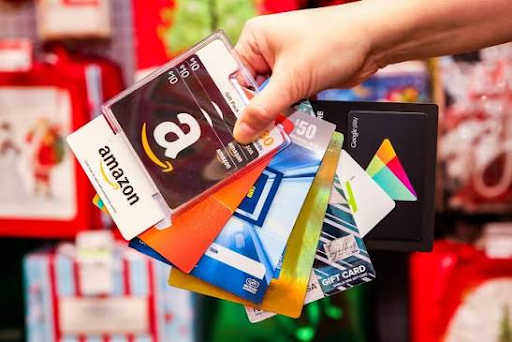
Selling a gift card can turn an unwanted balance into usable cash, but the final amount depends on several factors. Card brand, remaining balance, expiration rules, demand, resale platform fees, and payment method can all influence the payout. A $100 gift card, for example, may not produce the full $100 when sold, especially when a buyer expects a discount. Understanding the typical resale range and the reasons behind price differences makes it easier to estimate a fair value. Before deciding to sell gift card balances, checking current offers, transfer rules, and redemption restrictions can help prevent avoidable losses.
What Determines the Value of a Gift Card?
The value of a gift card is usually based on the remaining balance, brand popularity, demand, and ease of resale. Major retailers with broad customer demand often attract better offers because buyers can use the cards for many products. A card with a $100 balance might receive an offer between $70 and $95, depending on the marketplace, brand, and current demand. Specialized or less popular cards can receive lower offers. Digital cards may also be easier to process because the balance can often be transferred electronically, while physical cards may require additional verification.
Typical Payout Rates When Selling a Gift Card
A common resale range is about 70% to 95% of the original balance, although actual offers vary widely. High-demand cards can sometimes approach the upper end of that range, while lower-demand brands may sell closer to 50% to 75%. A $50 card receiving an 80% offer would produce $40 before any additional fees. Percentage-based pricing is useful because it provides a quick way to compare different offers. However, the highest percentage is not always the best option if a marketplace charges listing, processing, withdrawal, or transaction fees.
Why Popular Brands Usually Sell for More
Demand plays a major role in resale pricing. Gift cards connected to major supermarkets, online stores, fuel stations, restaurants, and entertainment services often have a larger pool of potential buyers. Strong brand recognition reduces the risk that a buyer will be unable to use the balance. Cards with flexible redemption options can also be more attractive than cards limited to a small product range or specific location. Before an attempt to sell gift card credit, reviewing current marketplace demand can provide a better idea of whether the card is likely to receive a strong offer.
How Fees Affect the Final Amount
The displayed purchase offer is not always the final amount received. Some platforms deduct service fees, payment processing charges, withdrawal fees, or listing costs. For example, a marketplace could offer 85% of a $100 balance, resulting in $85 before a separate payment fee. A different service might offer 82% but charge no additional fee, creating a similar or even better final payout. Comparing the net amount rather than the advertised percentage is therefore important. Reading the complete fee schedule before completing a transaction can reveal costs that are easy to overlook.
Does the Remaining Balance Matter?
Balance size can influence marketability and sometimes the payout percentage. Very small balances may attract fewer buyers because the discount is less meaningful after transaction costs. Larger balances may be more valuable, but some marketplaces place limits on the maximum amount accepted from a single card. A $10 card and a $500 card can therefore experience different pricing conditions. Checking minimum and maximum transaction limits can help determine whether a particular card qualifies for resale and whether splitting a balance creates additional complications.
Physical and Digital Gift Cards
Physical and digital gift cards can have different resale experiences. Digital cards often allow faster verification and delivery, which can make transactions more convenient. Physical cards may require proof of possession, card-number verification, or shipping, depending on the platform. Certain cards also use security codes, scratch-off PINs, or activation requirements. A damaged card, missing PIN, or unreadable code can reduce value or make resale impossible. Keeping all original card details and purchase information available can support verification when legitimate documentation is requested.
How to Get a Better Price
A higher payout often comes from comparing several legitimate offers instead of accepting the first quote. Checking brand demand, reviewing recent resale prices, and calculating all fees can produce a more accurate comparison. Timing can matter as well. Demand may rise around holidays, shopping seasons, or major promotional periods, although market conditions change frequently. Selling through a reputable marketplace with clear policies can also reduce the risk of payment disputes. The goal should be a transparent transaction where the balance, payout, fees, and payment schedule are clearly stated before the transfer is completed.
Important Safety Checks Before a Sale
Gift card resale carries fraud risks, so basic verification is important. Avoid transactions that require unusual upfront payments, requests for sensitive account information, or communication outside a trusted platform without a clear reason. A legitimate service should explain how balance verification works and what happens if a card cannot be validated. Gift card codes should not be shared publicly or sent to unknown buyers before the transaction terms are confirmed. Purchase receipts and transaction records should also be retained when available. These simple precautions can protect both the card balance and the payment process.
Can an Expired Gift Card Still Have Value?
Expiration policies differ by card issuer, location, and applicable consumer laws. Some gift cards remain usable for a certain period after purchase, while others may carry inactivity or replacement conditions. A card that appears expired may still have a balance under the issuer’s policy, but resale platforms can have stricter acceptance rules. Checking the issuer’s current terms is important before listing a card for sale. Verification of the exact balance and status can also prevent a transaction from being canceled after a buyer has attempted redemption.
What Is a Fair Amount for a $100 Gift Card?
A fair resale amount depends on demand, but a practical estimate often falls below face value because the buyer expects a discount. For a $100 card, an offer of $80 means a 20% discount to the buyer and an $80 payout before fees. An offer of $90 may be attractive for a highly demanded brand, while $65 could be more realistic for a card with limited demand. Comparing at least a few current offers and calculating net proceeds gives a clearer picture of fair market value than relying on the original card price.
Final Thoughts on Selling Gift Cards
The amount received from a gift card sale is shaped by more than the balance printed on the card. Brand demand, card type, resale restrictions, fees, payment options, and market conditions all influence the final payout. A strong approach includes checking the card balance, confirming the card’s validity, comparing multiple offers, reviewing every fee, and using a trusted resale process. A discounted payout is normal because the next buyer needs an incentive to purchase the card. With careful comparison and basic fraud awareness, an unwanted gift card can often be converted into a useful amount of cash without unnecessary complications.
How GC Buying Adds Value to Gift Card Resale
GC Buying provides a useful way to understand the value of unwanted gift cards by focusing on practical resale considerations such as card type, remaining balance, demand, and market pricing. The value of a gift card is rarely identical to its face value when converted into cash, so accurate assessment matters. A reliable buying process can help establish a realistic payout while reducing uncertainty around verification and transaction terms. GC Buying can be valuable for gift card holders who prefer a straightforward route to cash instead of leaving unused balances untouched. Clear pricing, transparent conditions, and secure handling are important parts of a trustworthy gift card buying experience.












Leave a Reply