


Mechanical products must perform reliably while remaining practical, visually considered, and manufacturable. Achieving this balance requires more than creating a technically accurate design. Every decision, from component selection and material choice to ergonomics and assembly, can influence the final product. Professional mechanical design services help businesses turn early concepts into functional solutions by combining engineering, CAD development, prototyping, and manufacturing considerations. When development teams address function, form, and performance together, they can create products that are easier to use, more reliable, and better prepared for production. This integrated approach can also reduce design challenges before they become costly manufacturing issues.
Function as the Foundation of Mechanical Product Development
Function defines what a mechanical product needs to accomplish and provides direction for the rest of the design process. Designers must understand the intended application, operating conditions, user requirements, and expected performance before developing components, mechanisms, and structures. A clear functional foundation helps ensure that every major design decision contributes to the product’s purpose.
- Clear definition of product requirements
- Appropriate component selection
- Efficient mechanical structures
- Practical user interaction
- Reliable product performance
- Easier maintenance and assembly
Keeping functionality at the centre can also prevent unnecessary complexity. A focused design can make the product easier to operate, maintain, manufacture, and refine during later development stages.
Form and Performance in Mechanical Product Design
Form and performance influence each other throughout mechanical product development. The shape and arrangement of a product can affect ergonomics, weight distribution, component placement, movement, accessibility, and manufacturing. At the same time, performance requirements may determine the materials, dimensions, mechanisms, and structural features needed within the design.
Balancing these factors requires coordination between industrial design and engineering. A visually appealing product must still meet functional requirements, while an efficient technical design may need refinement to improve usability and appearance. Considering both aspects together helps create products that are practical, coherent, and suitable for their intended application.
Key Design Considerations for Balancing Product Performance
Effective mechanical product development requires attention to multiple factors that can influence functionality, usability, reliability, and manufacturability. Considering these elements together helps designers create balanced solutions that meet performance requirements while remaining practical for users and production.
-
Component Selection and Mechanical Function
Components directly influence how a mechanical product operates and performs. Designers need to consider dimensions, loads, movement, compatibility, operating conditions, and maintenance requirements when selecting components. Proper integration can improve reliability while creating a more efficient overall product structure.
-
Material Selection for Product Performance
Material selection can affect strength, weight, durability, appearance, cost, and manufacturability. Designers need to assess the product’s intended use and environment before choosing materials. The right selection can help achieve the required performance without adding unnecessary weight, complexity, or production challenges.
-
Ergonomics and User Interaction
Mechanical products often need to be handled, adjusted, assembled, or operated by people. Ergonomic considerations can influence grips, controls, dimensions, access points, and weight distribution. A design that considers natural user interaction can improve comfort and make the product easier to operate.
-
CAD Development and Design Accuracy
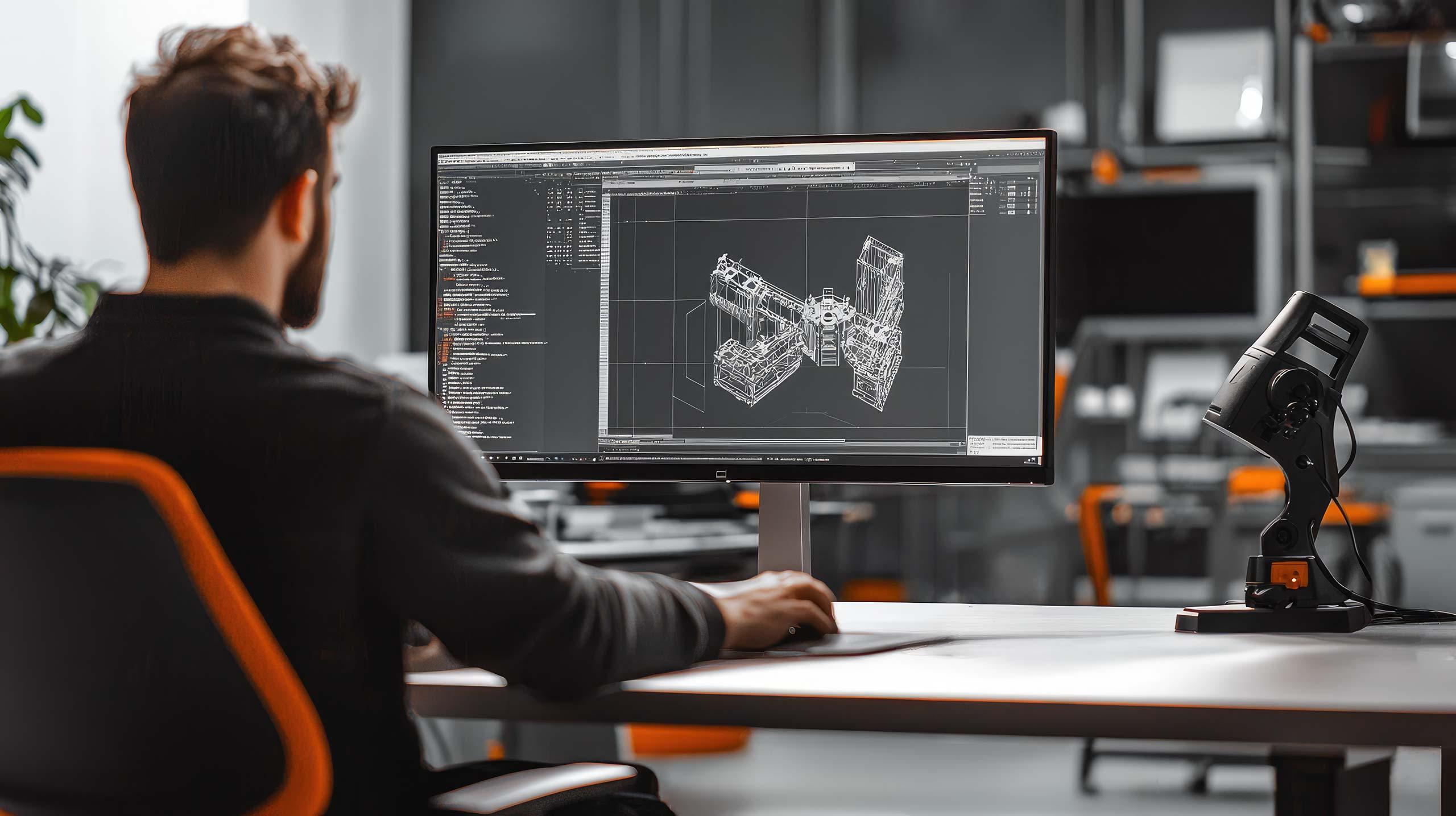
Detailed CAD models help designers and engineers visualise product structures, examine component relationships, and make precise modifications. CAD development also supports engineering reviews, assembly planning, documentation, and prototype preparation, helping teams identify potential design issues before physical production.
-
Prototyping and Physical Validation
Physical prototypes allow development teams to evaluate a product beyond its digital representation. Teams can assess dimensions, fit, movement, assembly, ergonomics, and functionality directly. Feedback from prototype testing can then guide further refinements before the design moves toward production.
-
Design for Manufacturing
Consider manufacturing requirements throughout product development. Production methods, tolerances, tooling, assembly processes, material availability, and scalability can influence the final design. Addressing these factors early can make the transition from development to manufacturing more efficient.
Balancing Function, Form and Performance
Mechanical product development often involves competing priorities. Increasing structural strength may add weight, while reducing material may affect durability. Similarly, adding features can improve functionality but may increase assembly complexity. A balanced approach evaluates these relationships together rather than optimising one characteristic at the expense of another.
- Functional requirements
- Structural performance
- Material suitability
- Ergonomic performance
- Component integration
- Manufacturing feasibility
- Prototype validation
- Maintenance requirements
These factors are closely connected throughout the development process. A change in dimensions can influence component placement, ergonomics, and manufacturing, while material changes can affect weight, durability, and cost.
Physical prototyping can provide valuable feedback before larger production investments. Testing different design approaches allows teams to identify practical issues, compare alternatives, and refine the product based on real-world observations.
From Mechanical Concepts to Production-Ready Products
Mechanical product development continues beyond the initial concept or CAD model. The design must eventually meet practical manufacturing requirements before it can become a production-ready solution. Engineering specifications, prototypes, materials, components, tolerances, and assembly methods all contribute to this transition.
An integrated approach allows design and engineering decisions to evolve together. As prototypes reveal opportunities for improvement, teams can modify structures, simplify assemblies, adjust materials, or improve usability. Keeping manufacturing requirements in view throughout these changes can create a smoother path toward production.
Conclusion
Balancing function, form, and performance is essential for developing mechanical products that deliver practical value and reliable operation. Careful attention to components, materials, ergonomics, CAD development, prototyping, and manufacturing can help businesses move from initial concepts toward refined solutions. A coordinated development process also creates opportunities to identify challenges early and make informed improvements before production.
For businesses seeking a product design company, Studio701 offers an integrated approach combining industrial design, engineering, CAD modelling, prototyping, and production support. The studio focuses on creating functional, user-oriented, and manufacturable solutions while helping clients progress from early concepts toward refined products. Its practical product development expertise makes Studio701 a valuable partner for businesses looking to balance function, form, and performance in mechanical product development.












Leave a Reply