


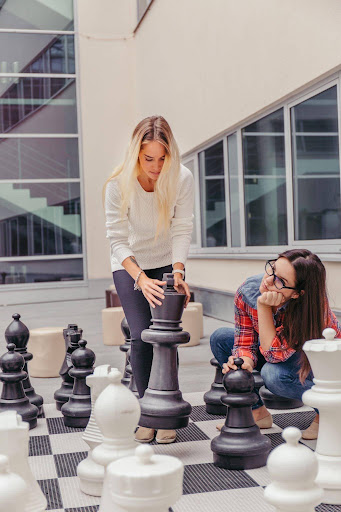
What if your first chess lesson could change the way you think, not just teach you where each piece belongs? Learning chess from scratch is an exciting challenge, but finding the right online chess course for beginners can feel like navigating a crowded opening. Every program offers something different, from interactive lessons and puzzles to live instruction and guided practice. The best choice should make chess easier to understand, encourage questions, build confidence, and turn every new concept into a skill you can actually use.
Start With a Clear Learning Path
Chess becomes easier to understand when concepts are introduced in a sensible order. This sequence prevents beginners from becoming overwhelmed. Opening instruction, in particular, should focus on principles such as development, king safety, and control of important squares rather than requiring students to memorize long variations.
A well-planned curriculum may progress through:
- Board setup and piece movement.
- Check, checkmate, and basic rules.
- Simple tactical patterns.
- Opening principles.
- Fundamental strategy.
- Endgame basics.
- Complete games and analysis.
Look Beyond Video Lessons
Watching a lesson can introduce an idea, but chess improvement requires active participation. A student may understand a tactic while watching an instructor demonstrate it and still miss the same opportunity during a game. Practice creates the bridge between recognition and application.
A strong course can combine several learning activities:
- Lessons explain new concepts.
- Puzzles develop tactical awareness.
- Practice games encourage decision-making.
- Assignments reinforce important ideas.
- Game analysis identifies recurring mistakes.
- Instructor feedback provides direction for improvement.
This variety can make lessons more engaging while giving students multiple ways to process the same concept.
Consider the Instructor’s Teaching Approach
A knowledgeable chess player is not automatically an effective beginner coach. Teaching requires the ability to explain complicated positions in accessible language, adjust the pace, ask useful questions, and recognize when a student needs more practice.
Good instruction should encourage learners to explain their thinking rather than simply receive the correct answer. If a student overlooks a threat, for example, the instructor can ask what the opponent is attacking or which pieces are insufficiently protected. This helps students develop independent thinking.
The right level of challenge matters as well. That balance helps beginners remain challenged without feeling overwhelmed by the game. Lessons that are consistently too easy can become repetitive, while material that moves too quickly may discourage a new player.
Make Practical Play Part of the Course
Chess understanding changes when a student moves from a lesson to an actual game. A fork may seem obvious in a diagram, yet finding one during a complicated position can be much harder. That is why practical games should be part of a beginner program. Playing allows students to apply concepts in unpredictable positions.
Game reviews add another layer of value, helping students understand why a move worked, where a mistake occurred, and what could be considered differently next time. This approach turns errors into specific learning opportunities rather than discouraging setbacks.
Online Learning Can Still Feel Interactive
Online chess education is not limited to recorded videos watched in isolation. Students may participate in live classes, use interactive boards, complete digital exercises, play games, receive assignments, and review positions with instructors.
For families, online learning can also simplify scheduling. There is no need to travel to a physical classroom, which can make regular lessons easier to fit around school and other activities. The quality of instruction, practice structure, and student engagement should remain central.
Match the Course to the Learner
Some children enjoy the energy of a small group and learn well by watching classmates solve positions. Others benefit from one-to-one attention. Some students need repeated exposure to a concept, while others are ready for increasingly difficult puzzles once they understand the fundamentals.
| Learner preference | Suitable learning environment |
| Enjoys interaction | Small-group classes |
| Needs individual guidance | One-to-one coaching |
| Prefers gradual progress | Structured curriculum |
| Enjoys competition | Coaching with tournament opportunities |
| Benefits from repetition | Lessons with puzzles and assignments |
The best chess course for beginners should therefore support the learner’s current needs while leaving room for development.
Look for Evidence of Progress
Chess improvement often appears through small changes rather than dramatic jumps. A beginner may start noticing undefended pieces, checking the opponent’s threats, developing pieces more consistently, or recognizing a familiar checkmate pattern.
A useful course should help make these improvements visible. Progress reports, assignments, game reviews, skill assessments, or regular instructor feedback can show students what they are doing well and what deserves more attention.
Use a Trial Class as a Reality Check
A course description can explain what is included, but a trial class offers a more practical view of the learning experience. It is worth noticing whether the instructor gives the student time to think. Beginners should not be expected to answer everything immediately, but they should have opportunities to make decisions, explain their reasoning, and learn from mistakes. A successful introduction should leave them with greater clarity and an interest in playing again.
Select for Long-Term Development
A useful program should provide a natural route toward stronger tactics, deeper strategic understanding, tournament preparation, or more advanced coaching. This continuity allows the learner to progress without having to start over with a completely different approach. A first course should therefore be judged not only by what it teaches today but also by whether it can support the learner as their abilities grow.
Conclusion
Selecting a first chess course is ultimately about finding the right balance between instruction, practice, guidance, and enjoyment. A logical curriculum gives beginners a stable foundation, while puzzles and games help transform concepts into practical skills. Skilled instructors can encourage independent thinking, identify weaknesses, and adjust lessons as learners develop. A trial class can also reveal whether the teaching style suits the student before a longer commitment is made.
Chessbrainz offers a structured environment for learners who want to build their chess fundamentals through guided instruction and practical development. Ultimately, the best beginner chess course is one that makes the game understandable, gives students meaningful opportunities to play, and builds the confidence to think independently at the board.













Leave a Reply