In today’s digital-first world, small and medium businesses (SMBs) must do more than just exist online—they need to be found by the right people in the right place. That’s where local SEO steps in. Local search engine optimization helps businesses become visible to nearby customers searching for their products or services. For a bakery in Brisbane or a dentist in Toronto, local SEO can be the difference between staying busy or struggling to be noticed. With consumer behavior increasingly driven by mobile and map-based searches, mastering local SEO is more important than ever in 2025.
Understanding What Local SEO Means
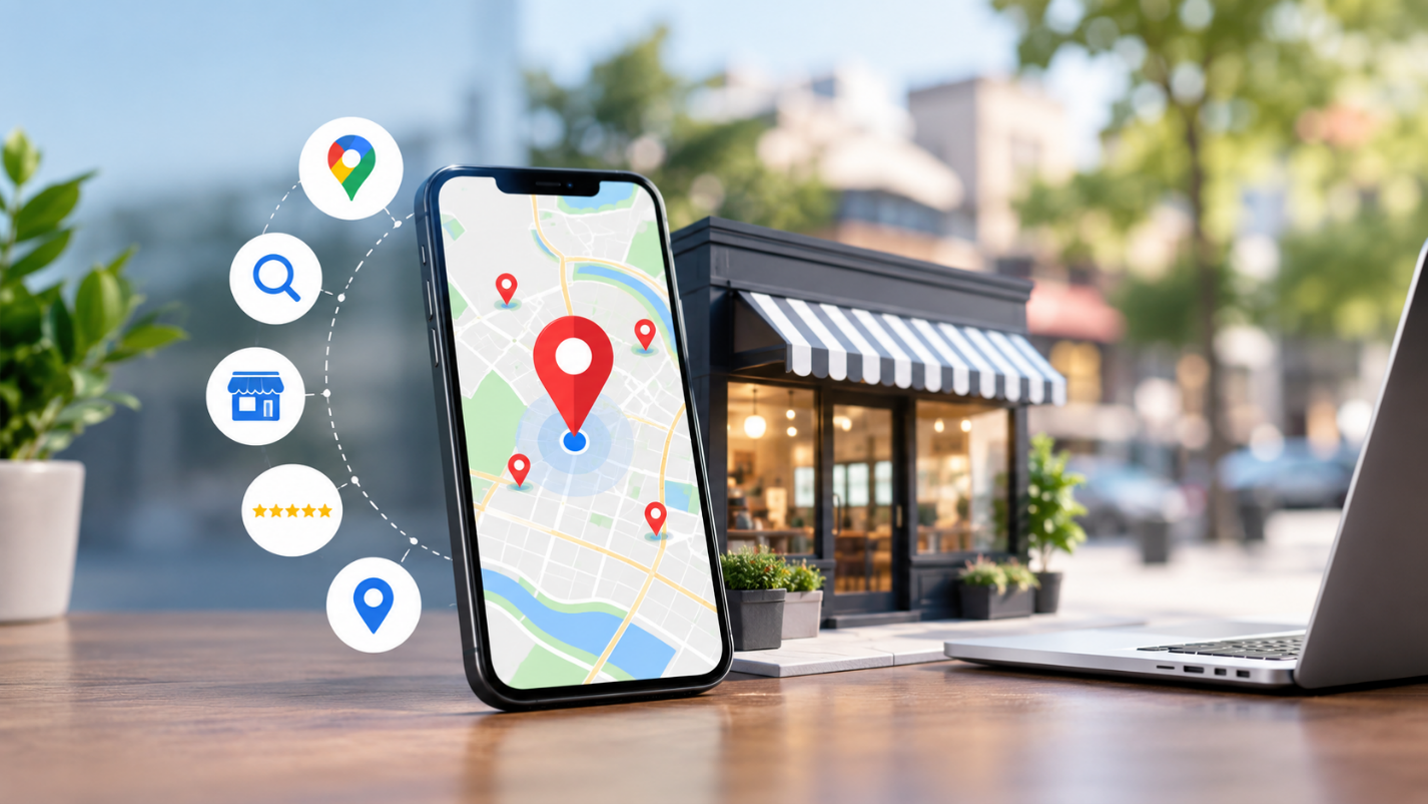
Local SEO is a strategy that focuses on optimizing a business’s online presence to attract more customers from relevant local searches. These searches occur on Google and other search engines, often with keywords like “near me” or specific city names. It’s about ensuring that your business appears when someone nearby is searching for the exact services you offer. This includes managing your Google Business Profile, optimizing your website for local keywords, gathering positive reviews, and maintaining consistent business information across online directories. Local SEO puts your business on the local digital map, literally and figuratively.
Why Local Visibility Matters for SMBs
Unlike large corporations with global recognition, SMBs rely heavily on local foot traffic and nearby customers. Without local visibility, your business misses out on potential leads who are already in the decision-making phase of their buying journey. People searching for local services are usually ready to act—whether it’s visiting a store, calling a provider, or making a booking. That high intent makes local visibility critical. When your business shows up at the top of local search results, it immediately gains credibility and convenience in the eyes of the customer, making them more likely to choose you over competitors.
How Google My Business Boosts Your Local Reach
One of the most powerful tools for local SEO is your Google Business Profile. This free listing allows your business to appear in Google Maps and the local pack—the highlighted area that shows top businesses near a user’s location. Optimizing this profile with accurate business information, photos, and regular updates ensures you make a strong first impression. Features like business hours, categories, website links, and reviews all play a part in where you appear in local search rankings. In 2025, businesses that actively manage their Google Business Profile consistently outperform those that don’t.
The Role of Reviews and Ratings in Local SEO
Customer reviews are more than just feedback—they are powerful SEO signals. Positive reviews on Google, Yelp, Facebook, and industry-specific platforms help build trust with potential customers and influence your ranking in local search results. Google’s algorithm considers both the quantity and quality of reviews. Engaging with customer feedback, whether good or bad, shows that your business values its community. In the digital marketing landscape, social proof carries enormous weight, especially in tight-knit local markets where word-of-mouth and reputation matter.
On-Page SEO Techniques for Local Optimization
Your website plays a foundational role in your local SEO success. On-page SEO for local businesses involves using local keywords, embedding a map, creating location-specific pages, and optimizing title tags and meta descriptions. For example, a keyword like “best Italian restaurant in Hobart” should appear naturally in your content, headers, and metadata. Structured data markup can also help search engines understand your business location and offerings more clearly. A well-optimized site makes it easier for both search engines and customers to know what you do, where you’re located, and why you’re the best choice locally.
Local Link Building and Its SEO Impact
Earning backlinks from reputable local sources is a key component of a strong local SEO strategy. These might come from local newspapers, business associations, bloggers, or event partnerships. When other local websites link to your business, it signals to search engines that you are a trusted and relevant entity in your community. This improves your domain authority and can boost your rankings in local search results. In 2025, collaborative relationships with local media, influencers, and community events are not just good PR—they are smart SEO tactics that drive real-world results.
Mobile Optimization and Local Searches
Most local searches happen on mobile devices. When someone’s out and about and looking for a service—like a “coffee shop near me” or “urgent care open now”—they expect fast, mobile-friendly results. If your website isn’t optimized for mobile, you risk losing valuable foot traffic. Mobile optimization includes responsive design, fast load times, click-to-call buttons, and easy navigation. Google prioritizes mobile usability in its ranking algorithm, so having a seamless mobile experience isn’t optional—it’s essential for competing in the local space.
Voice Search and the Rise of Conversational Queries
Voice search is changing how consumers find local businesses. With the rise of virtual assistants like Siri, Google Assistant, and Alexa, more users are conducting voice searches such as “Where’s the nearest pizza place?” or “What’s the best hair salon open now?” These are typically longer, conversational phrases, and your content needs to adapt accordingly. Incorporating natural language into your web copy, FAQs, and blog posts can help your business rank for voice search queries. Embracing this shift keeps your local SEO strategy future-ready and in tune with evolving user behavior.
Location-Based Content Marketing
Creating content that resonates with your local audience helps establish your business as a community authority. This could include blog posts about local events, customer spotlights, behind-the-scenes stories, or collaborations with other local businesses. Localized content not only helps with keyword targeting but also builds trust and engagement with your nearby audience. For example, a fitness studio might blog about the best local running trails or community health tips. These pieces naturally incorporate location keywords and show that your business is deeply connected to its environment.
The Synergy Between Social Media and Local SEO
While social media isn’t a direct ranking factor, it supports your local SEO by driving awareness, engagement, and traffic. Platforms like Facebook, Instagram, and LinkedIn can help spread your business’s name in the local area. Sharing updates, promotions, and local partnerships through these channels keeps your brand top of mind. Additionally, social signals and interactions can influence how search engines perceive your online presence. A strong local social media strategy complements your SEO efforts by amplifying your visibility and connecting you with your target audience.
Tracking Local SEO Performance with Analytics
No SEO strategy is complete without measurement. Tools like Google Analytics and Google Search Console help you monitor how well your local SEO efforts are performing. You can track metrics like local traffic, keyword rankings, click-through rates, and customer engagement. Insights from analytics allow you to make data-driven decisions, identify what’s working, and fine-tune your strategy for better results. In 2025, successful small and medium businesses are not just guessing—they’re using analytics to drive continuous improvement and sustainable growth.
Adapting to Algorithm Updates in Local Search
Search engine algorithms are constantly evolving, and staying informed is key to maintaining your local visibility. Google regularly updates how it prioritizes local content, reviews, mobile usability, and user intent. By keeping up with SEO news, joining forums, and following industry experts, you can adapt quickly and avoid penalties. Algorithm changes can either boost your visibility or diminish it, depending on how prepared you are. The more proactive and adaptable your SEO approach, the more resilient your business will be in an ever-changing digital landscape.
Integrating Local SEO with Your Broader Marketing Plan
Local SEO shouldn’t exist in a vacuum—it needs to integrate seamlessly with your broader digital marketing strategy. This includes aligning your SEO goals with email campaigns, paid ads, content marketing, and social media. For instance, running a local promotion should be reflected in your website content, Google Business Profile, social media posts, and email newsletters. When all marketing channels work together with a local focus, the result is a powerful, unified presence that drives both online and in-store engagement. Holistic marketing strategies yield better returns and stronger customer relationships.
Choosing the Right SEO Tools for Local Success
There are countless SEO tools available, but for local success, it’s important to choose those that offer specific insights into regional performance. Tools like BrightLocal, Moz Local, and Whitespark provide detailed analytics on your local rankings, citations, and competitor benchmarks. These platforms help you understand how your business is doing in your specific area and what you can do to improve. Having the right tools gives you a competitive edge and helps automate tasks like directory submissions, review tracking, and keyword monitoring.
Building Long-Term Authority Through Consistency
Consistency is a key principle in any SEO strategy, especially for local businesses. From your business name and contact information to the way you respond to reviews, maintaining consistency builds trust with both search engines and potential customers. It’s not enough to set up your online profiles and walk away. Regular updates, continuous content creation, and ongoing optimization are necessary to stay visible and relevant. In the long run, consistent efforts build domain authority, community recognition, and sustainable growth for your small or medium-sized business.
Conclusion: Local SEO as a Growth Catalyst
For small and medium businesses, local SEO is more than just a technical task—it’s a powerful growth engine. It brings your brand closer to the people who matter most: your local customers. In an era where search engines dominate discovery and mobile behavior drives decisions, ignoring local SEO means missing out on high-intent customers who are ready to take action. By investing in a smart, consistent, and locally focused SEO strategy, you not only boost visibility but also build a reputation that resonates within your community. Embrace the power of local SEO in 2025 and watch your business thrive.