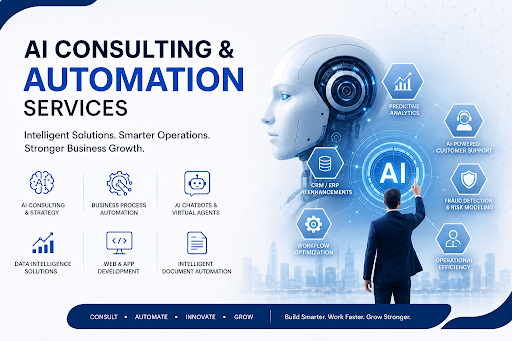
As artificial intelligence becomes the backbone of industries, businesses are racing to onboard individuals who understand how to harness AI for innovation and problem-solving. The traditional education system is struggling to keep pace, which is why more learners are turning to flexible and targeted programs to skill up. This is where IT Diploma Courses Online come into play—filling the gap and creating new pathways for career development in the AI era.
How Artificial Intelligence Is Transforming the Global Workforce
Artificial intelligence is no longer just a buzzword—it’s a functional, evolving ecosystem that’s shaping the very fabric of work. From healthcare and finance to logistics and entertainment, AI technologies are optimizing operations, predicting trends, and even making decisions. As AI systems become more autonomous and intelligent, the roles and responsibilities of human workers are being redefined. Repetitive and manual tasks are being delegated to algorithms, while strategic and analytical thinking is being placed at the forefront of human responsibilities.
As a result, the global workforce is experiencing a paradigm shift. Companies now need professionals who not only understand technology but also know how to implement AI tools ethically and efficiently. This demand is particularly high in fields like data science, machine learning, automation, cybersecurity, and cloud computing—all of which are essential for successful AI integration. Graduates with current knowledge and practical experience in these domains are the ones who will thrive, and that’s where online IT diploma programs become a powerful catalyst.
The Growing Popularity of Online Learning for IT Careers
The modern learner values convenience, accessibility, and relevance—all of which are delivered by online learning. Over the last decade, online education has evolved from a niche alternative into a mainstream pathway. The pandemic accelerated this trend, making remote learning not only acceptable but often preferred. For aspiring IT professionals, online diplomas have opened new doors. These programs are no longer seen as inferior; instead, they’re considered smart, efficient, and career-focused.
Students can now earn industry-recognized credentials without relocating or pausing their jobs. They can customize their learning paths and gain real-world skills through simulations, labs, and virtual projects. This accessibility allows a more diverse group of learners—parents, full-time workers, and international students—to enter the tech field. With AI growing in complexity and utility, the ability to upskill flexibly has become a major competitive advantage.
Why AI Is Fueling the Demand for Skilled IT Graduates
AI adoption isn’t slowing down—in fact, it’s accelerating faster than most experts predicted. As businesses adopt AI across processes and services, they need an expanding workforce of developers, analysts, and system architects who can manage these transformations. But it’s not just about having IT skills anymore; it’s about having the right combination of technical knowledge, creative thinking, and business acumen.
Artificial intelligence technologies require foundational IT skills like coding, database management, networking, and cybersecurity. However, they also demand more advanced capabilities such as machine learning engineering, neural network design, algorithm optimization, and AI ethics. This hybrid skill set is hard to find in traditional degree holders who may not have exposure to practical AI applications. This is why employers are increasingly turning to IT diploma graduates—especially those trained through online, hands-on programs—for immediate integration into AI-driven roles.
How Online IT Diplomas Align with AI Industry Demands
One of the reasons why IT diploma graduates are gaining attention is their alignment with current industry needs. Unlike conventional degrees that may include outdated or broad curricula, online IT diplomas tend to be updated frequently to reflect the latest trends. Many institutions collaborate directly with tech companies, ensuring that course content mirrors real-world scenarios.
Moreover, these programs often feature modules specifically dedicated to AI and its subfields—like machine learning, natural language processing, and data visualization. They also incorporate AI projects, giving students a taste of how these technologies operate in business environments. Graduates from such programs are better prepared to step into roles that demand fluency in AI tools and frameworks.
Another critical factor is the modular format of many online diplomas. Learners can take targeted courses in AI or specialize in high-demand domains like robotics, data science, or intelligent systems. This focused learning approach allows graduates to develop niche expertise without investing years of time or mountains of money. Employers recognize this efficiency and increasingly value diploma holders who bring practical, relevant skills to the table.
The Role of Certifications and Micro-Credentials in AI Hiring
The rise of AI has introduced a new hiring trend: micro-credentials. Employers no longer depend solely on traditional degrees as proof of competence. Instead, they look at specific skills and experiences, often validated through digital badges, online certifications, and industry-endorsed diplomas. These micro-credentials are especially impactful in AI, where technologies evolve quickly and continuous learning is essential.
Online IT diploma programs often bundle or integrate these certifications into their curriculum. For instance, students may earn certifications in cloud computing (AWS, Azure), cybersecurity (CompTIA, CISSP), or machine learning (TensorFlow, Google AI) alongside their diploma. This gives them a double advantage—they not only gain foundational IT education but also acquire specialized recognition from major tech firms.
Employers see these credentials as evidence that candidates are motivated, up-to-date, and capable of working with modern AI systems. As hiring managers prioritize results over titles, the presence of relevant credentials on a resume can tip the balance in favor of an online diploma graduate.
Career Opportunities for IT Diploma Graduates in the AI Economy
As AI integrates deeper into business operations, the job market for IT diploma graduates is expanding rapidly. These professionals are finding rewarding careers in diverse roles, from junior AI engineers and data analysts to cloud administrators and cybersecurity specialists. Unlike some traditional degrees, IT diplomas prepare students for immediate employment by focusing on practical skills and job-readiness.
Graduates often work in industries like finance, healthcare, logistics, marketing, and retail—all of which are actively deploying AI technologies. For example, financial institutions need AI analysts to predict market movements, while hospitals seek IT support for AI-assisted diagnostics. In logistics, AI systems manage supply chains and inventory forecasting, while marketing teams use AI-driven insights to personalize customer experiences.
This trend isn’t limited to big corporations either. Startups, nonprofit organizations, and government agencies are also building AI teams and offering opportunities for new IT talent. With digital transformation accelerating across sectors, diploma holders equipped with AI-relevant knowledge are positioned to land impactful roles that offer growth, stability, and purpose.
The Future of AI Education and What It Means for Learners
AI will continue to be a disruptive force, and the educational landscape must adapt in response. Future-ready learners will seek out programs that go beyond theory and deliver experiential, project-based education. This will make online IT diplomas even more appealing. These programs are uniquely capable of evolving with industry needs, integrating emerging topics such as ethical AI, quantum computing, and autonomous systems as they arise.
We can also expect greater personalization in learning journeys. AI itself is being used in education to customize curriculum delivery, assess individual progress, and enhance student engagement. This feedback loop between AI and education will redefine how knowledge is acquired and applied, allowing students to learn smarter and faster.
For learners looking to enter the tech space or pivot their careers, the opportunity has never been better. Choosing an agile, AI-focused online diploma could be the first step toward long-term relevance and success in a high-demand market. As AI continues to evolve, so will the need for human intelligence that can guide, manage, and ethically apply it.
Conclusion
The rise of artificial intelligence is transforming not only how we live and work but also how we learn. Traditional paths are giving way to smarter, more accessible alternatives that meet the demands of an ever-changing tech landscape. Online IT diploma programs are emerging as a practical, respected, and highly relevant solution to this challenge. With AI driving massive demand for specialized skills, graduates of these programs are stepping into the spotlight—prepared, equipped, and ready to lead the future of tech
click here to visit website for more interesting collection of articles