


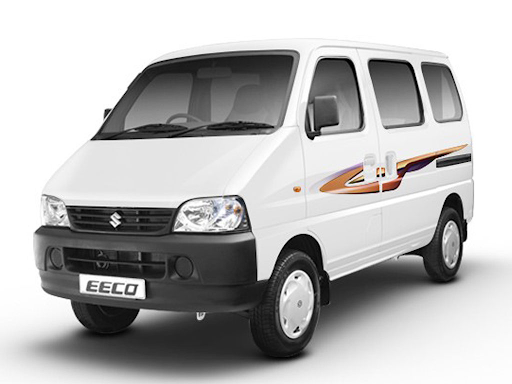
The Eeco car model and a compact budget hatchback offer different layouts for different owners. Eeco is a taller van-style vehicle with passenger and utility configurations. S-Presso is a compact hatchback aimed at easy city travel. Neither should be chosen merely because a starting price looks attractive. Passenger numbers, luggage needs and driving comfort reveal which one belongs on a household shortlist.
Space Is the First and Biggest Difference
The Eeco is offered in multiple seating configurations, including five- and six-seat passenger versions in the current Indian range. Its upright body and large doorway openings can make loading people and packages easier than in a small hatchback. Businesses and larger households may appreciate that versatility. Yet buyers should check the exact seating and cargo arrangement because a passenger version is not identical to a goods carrier.
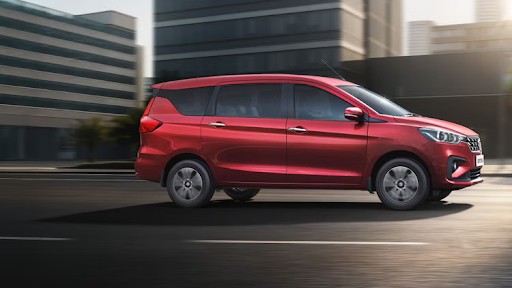
The S-Presso has a shorter body and five-seat layout. Its compact dimensions and tight turning circle suit narrow lanes, busy markets and modest parking bays. That does not mean five adults will enjoy long trips equally. Try the rear seat with the people who regularly travel together and check how much luggage fits without blocking visibility.
Compare Engines, Gearboxes and Use Cases
The Eeco car model uses a 1.2-litre petrol engine in current passenger listings. A manual transmission suits its practical workhorse character, and fuel options depend on the chosen version. S-Presso has a 998 cc petrol engine, with manual and automated manual choices in its current Indian range. Selecting a gearbox should begin with how often the driver faces stop-start traffic rather than an assumption that any automatic is equally smooth.
A fully loaded Eeco may behave differently from an empty demonstration vehicle. Test hill starts, braking feel and steering response with realistic payload where the dealership permits. The Maruti S Presso may be easier to manoeuvre daily but will not offer a van’s loading flexibility. Buyers intending to carry equipment for work should inspect legal payload limits and safe securing points, not simply the visual size of the cabin.
A useful real-world check is to load both vehicles for the busiest day of the week. If the purpose is family travel, include school bags, shopping and the child restraints normally fitted. If the purpose is work, measure the actual equipment and verify that the chosen passenger or commercial version may carry it legally and safely. A showroom’s empty cabin can look larger than the usable space after occupants, seatbelts and secure storage are accounted for.
Mileage Must Be Compared by Fuel Type
Official data for current Eeco petrol passenger variants lists certified efficiency around 19.71 kmpl. S-Presso petrol figures vary by gearbox, with manufacturer figures including 24.76 kmpl for manual and 25.30 kmpl for automated manual in the listed configuration. These are certification figures and should not be read as a forecast for a fully loaded car in summer traffic.
Fuel expenditure also depends on distance, idling, tyre pressure and the number of people carried. The S-Presso’s smaller engine may suit a low-mileage city commuter. Eeco’s ability to move more passengers or equipment could reduce the need for separate journeys in some households. Work out fuel cost per actual task completed, not only the theoretical litres per 100 km.
Comfort, Safety and Road Behaviour
S-Presso buyers may prefer a conventional hatchback seating layout for daily errands and occasional family outings. Eeco’s van-style cabin is different in seating posture, road feel and noise character. Neither experience can be judged fairly from showroom photographs. Sit in the rear and assess headroom, seat support, ventilation and access to seatbelts before deciding.
Current equipment lists can change, and airbag counts should be confirmed for the exact model year and trim. Six airbags appear in recent official passenger Eeco listings, but buyers should still check current safety equipment on both models. Features are not a substitute for careful assessment of crash-test programme coverage, appropriate tyres or safe driving practices.
The Real Price Difference Is Broader Than Ex-showroom
When checking a Maruti S Presso quotation, ask for ex-showroom price, road tax, registration, insurance and optional accessories separately. Do the same for Eeco, with attention to the intended registration category and approved usage. Insurance and local registration treatment may differ for commercial or specialised applications. Never rely on a general consumer estimate for a vehicle that will be registered for work.
The Eeco car model can be financially sensible when its additional room earns a return through genuine regular use. A family that rarely needs the extra space may face higher running expenses without a practical benefit. Conversely, trying to fit substantial equipment or several passengers into a smaller car can lead to compromises in comfort and safety.
Test the Vehicle Against Its Regular Job
Write down the number of passengers, weekly distance, parking conditions and luggage or work equipment normally carried. Check the Maruti S Presso with those needs in mind rather than buying it solely for a lower showroom figure. Test Eeco access and load space, then compare insurance, service and fuel costs for the selected versions. Choose the van when space is routinely necessary; prefer the hatchback when compact, uncomplicated everyday travel is the priority.









Leave a Reply