Do you know the average time needed to build a complete home construction? Approximately 7-14 months, and do people have this much time for home construction in a modern and fast-paced world? As a result, they look for more innovative ways to build cost-effective, quick, and environmentally friendly homes. That’s why prefabricated housing construction is becoming popular among homebuyers and developers. Whether it’s families, working professionals, or businesses looking for on-site accommodations, modular housing construction is changing how we think about buildings.
Let’s explore why prefab houses are gaining so much attention in 2025 and why more people choose them over traditional construction.
What Are Prefab Houses?
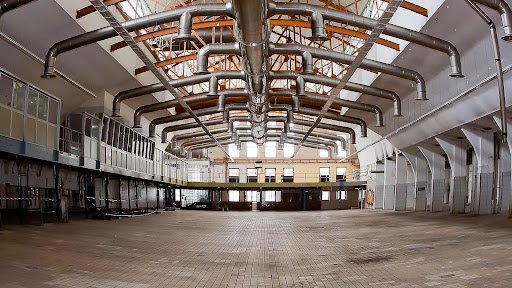
Prefab (short for prefabricated) houses are built in sections at a factory. These sections are transported to the final site and assembled into a complete building. Unlike traditional homes constructed entirely on the plot, prefab buildings are mostly completed in a controlled factory environment.
This approach has been around for a while but has become more advanced, affordable, and appealing to modern buyers in recent years.
1. Faster Construction Time
One of the biggest reasons people are turning to prefabricated housing construction is the speed at which homes can be built. Traditional home construction can take 8 to 12 months (or more), depending on weather delays, material shortages, and labor issues.
Prefab homes can be built in as little as 8 to 12 weeks.
The overall timeline is drastically reduced since the structure is manufactured in a factory while site preparation (like foundation work) happens simultaneously. This is a big win for homeowners hurrying to move in or businesses needing quick buildings for staff housing or office spaces.
2. Cost-effective and Budget-Friendly
Building a home is a considerable investment. But prefab homes help save money without compromising on quality.
Here’s how:
- Factories buy materials in bulk, reducing overall costs.
- Less on-site labor is required.
- Construction delays due to weather or labor issues are minimized.
- Material waste is reduced due to precision in factory production.
According to a 2025 housing industry report, building a prefab house can cost 15–20% less than building the same structure through traditional methods. This cost benefit is even more attractive in cities with high land and labor costs.
3. Better Quality Control
In traditional construction, workers face challenges like inconsistent weather, poor lighting, and on-site material handling, affecting quality. But in prefab factories, everything is controlled — temperature, tools, equipment, and quality inspections.
Each component is built with precision machinery and tested for strength and durability before shipping.
This means your prefab home is more likely to be stronger, longer-lasting, and more reliable — making it a wise long-term investment.
4. Environmentally Friendly Choice
With growing environmental concerns, many people are looking for sustainable ways to build and live. Modular house construction is an eco-friendly solution.
Here’s why:
- Factories produce less waste compared to on-site construction.
- Materials are used more efficiently.
- Prefab homes are designed for energy efficiency, meaning lower electricity and water usage.
- Many prefab buildings can be designed to include solar panels, rainwater harvesting, and other green features.
This contributes to a lower carbon footprint, making prefab homes a great option for eco-conscious families and businesses.
5. Design Flexibility
A common myth is that prefab homes all look the same or lack customization. But this is far from the truth.
Thanks to technological advancements, you can now choose from a wide range of floor plans, interior designs, finishes, and sizes. Whether you want a modern family home, a cozy cottage, or an office facility, prefab buildings can be tailored to meet your needs and preferences.
Architects increasingly work with prefab companies to design stylish, smart spaces that don’t compromise creativity.
6. Durability and Safety
Another concern people often have is whether prefab homes are as durable as traditional ones. The answer? Yes — and sometimes even more so.
Prefab structures must meet the same building codes and safety standards as site-built homes. Since they are transported and assembled, they are built to handle more movement and stress. Many prefab houses are built to withstand earthquakes, strong winds, and heavy rain.
In 2025, safety regulations for modular housing construction have become even stricter, ensuring these homes are safe and long-lasting.
7. Perfect for Urban and Remote Areas
Whether you’re building in a busy city or a remote village, prefab homes can be a perfect fit. In urban areas, where construction space is limited, prefab homes reduce disruption and noise since much work is done off-site.
In rural or remote regions, where skilled labor and materials may be hard to find, prefab houses make construction more accessible and affordable.
8. Smart Investment for Developers and Businesses
Real estate developers and businesses are also choosing modular house construction for their commercial and staff accommodation projects. The ability to set up multiple buildings in less time allows them to scale faster and increase profits.
Educational institutes, hospitals, factories, and IT companies are using prefab solutions for classrooms, dormitories, and office buildings because they’re easy to install and expand as needed.
2025 Industry Trends and Statistics
The prefab construction sector is booming. Here are some key insights from 2025:
- The global prefab construction market is expected to hit $210 billion this year.
- In India, prefabricated housing construction is growing at 6.5% annually.
- 4 out of 10 new housing developments in urban areas now include some form of prefab construction.
- Major state governments are promoting prefab housing to speed up affordable housing schemes.
These numbers prove that prefab is not just a trend — it’s the future of housing.
Why Solvabuild Is the Right Choice for You
If you’re considering a prefab home or facility, Solvabuild is here to help. With years of experience in modular housing construction, Solvabuild is known for its high-quality, affordable, quick-to-install building solutions.
Whether you’re looking for a home, office, school, or custom project, Solvabuild combines innovative design with sustainable practices to deliver results that exceed expectations.
Why Choose Solvabuild?
- End-to-end service: Design, manufacture, and install
- Durable and customizable prefab buildings
- Fast delivery timelines
- Strong focus on quality, safety, and sustainability
- Trusted by leading developers, businesses, and families across India
Final Thoughts
As people continue to look for faster, smarter, and greener ways to build, prefab houses are becoming the top choice for many. With benefits like quicker timelines, lower costs, better quality, and eco-friendly designs, prefabricated housing construction is here to stay.
And with trusted partners like Solvabuild, building your dream home or facility has never been easier.
So, if you plan to build in 2025, maybe it’s time to think prefab!