


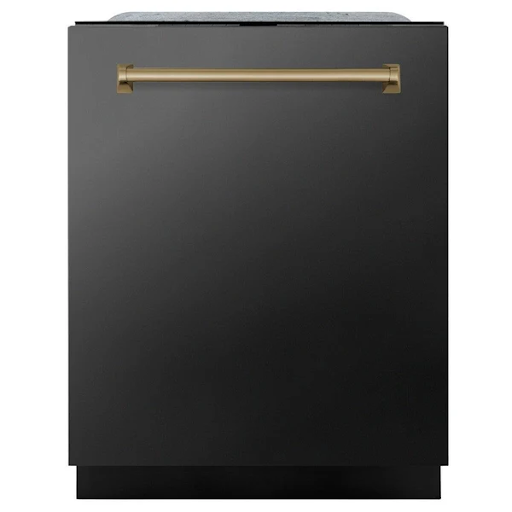
Modern dishwashers have evolved from basic kitchen cleaning appliances into sophisticated machines with specialized wash programs, flexible loading systems, quieter operation, and improved resource efficiency. For homeowners renovating a kitchen, replacing an older appliance, or designing a new cooking space, choosing the right dishwasher requires more than comparing appearance and price.
Premium dishwashers typically combine advanced cleaning technologies with higher-quality construction, additional convenience features, and design options intended to integrate with contemporary kitchens. However, the most suitable appliance depends on factors such as household size, available space, noise preferences, energy consumption, installation requirements, and everyday cleaning habits.
What Defines a Premium Dishwasher?
The term “premium” is not a universal technical classification. It is generally used to describe appliances positioned above basic or entry-level models in terms of materials, features, design, technology, or performance.
Depending on the manufacturer, premium models may offer features such as adjustable racks, specialized wash zones, soil sensors, multiple spray systems, advanced filtration, quiet operation, enhanced drying, and sophisticated controls.
Some models also focus heavily on design, offering integrated panels, stainless-steel finishes, concealed controls, or other styling options that allow the dishwasher to coordinate with surrounding cabinetry and appliances.
Consumers should therefore evaluate the actual specifications rather than assuming that a higher price automatically means better cleaning performance.
What Capacity Should You Choose?
Dishwasher capacity is one of the most important factors to consider. A household with several people who regularly cook at home may require significantly more capacity than a single-person household.
Manufacturers commonly use place settings to communicate dishwasher capacity. However, the actual usability of that capacity also depends on rack configuration and the types of dishes being washed.
Large plates, pans, bowls, glasses, and utensils can occupy different amounts of space. Adjustable racks and fold-down tines can make a dishwasher more flexible because users can modify the interior according to each load.
Before choosing a model, consider how many dishes are normally produced between washing cycles. An appliance with insufficient capacity may need to run multiple times a day, while an excessively large model may use more space than necessary.
Why Does Noise Level Matter?
Noise can be particularly important in open-plan homes where the kitchen shares space with living or dining areas.
Dishwasher noise is measured in decibels, or dB. Generally, a lower published dB rating indicates quieter operation. However, the actual experience can also depend on the kitchen’s acoustics, installation, cabinetry, and surrounding surfaces.
A quieter dishwasher can be useful when the appliance is operated during conversations, meals, work, or nighttime hours.
When comparing higher-end models, buyers should examine the manufacturer’s stated noise level rather than relying on general descriptions such as “quiet” or “silent.”
How Does Energy Efficiency Affect Dishwasher Selection?
Energy efficiency can influence both environmental impact and long-term operating costs. A dishwasher uses electricity to operate pumps, heating elements, controls, and drying systems, while water consumption varies according to the cycle and model.
The U.S. Environmental Protection Agency’s ENERGY STAR program states that certified dishwashers use less energy and water than standard models that meet federal minimum efficiency standards. It also highlights technologies such as soil sensors that can adjust cycle performance according to the condition of the load. (energystar.gov)
Consumers should examine the current energy label and manufacturer’s specifications for the exact model rather than making assumptions based on price or size.
Which Wash Programs Are Useful?
Different wash cycles are designed for different levels of soiling and types of dishes.
A normal cycle may be appropriate for everyday dishes, while an intensive cycle can be useful for heavily soiled cookware. Quick cycles can help with lightly soiled dishes when a shorter program is preferred.
Some dishwashers also provide delicate, rinse, eco, or automatic programs. Automatic cycles can use sensors to adjust elements of the washing process according to the detected load and soil level.
The number of programs is less important than whether the available programs correspond to the household’s actual needs.
What Features Improve Loading Flexibility?
Interior design has a major effect on dishwasher usability. Two appliances with similar external dimensions can provide different practical capacities because their racks and baskets are configured differently.
Useful features can include:
- Adjustable upper racks
- Fold-down tines
- Height-adjustable baskets
- Third racks
- Dedicated cutlery trays
- Stemware holders
- Removable components
- Flexible loading zones
A third rack, for example, can provide additional space for cutlery and smaller utensils while leaving more room in the lower racks for larger items.
Before purchasing, consumers should examine the interior layout rather than focusing exclusively on the external design.
Does Drying Performance Matter?
Cleaning and drying are separate parts of a dishwasher cycle. Some appliances use heated drying, condensation-based systems, fans, or automatic door-opening mechanisms.
Drying performance can be especially relevant for plastics because these materials can retain water after a cycle. The effectiveness of a drying system depends on the appliance design, selected cycle, load arrangement, and material being dried.
Consumers who regularly wash plastic containers or want dishes ready for immediate storage should compare the drying technology available on individual models.
How Important Is the Installation Space?
Accurate measurements are essential before purchasing a dishwasher. Buyers should check the available width, height, depth, and surrounding clearance.
The measurement should include enough space for the dishwasher door to open without interfering with nearby cabinets or kitchen islands.
Water supply, drainage, and electrical connections should also be checked. If the replacement appliance has different requirements from the existing dishwasher, modifications may be necessary.
Professional installation can help ensure that connections are correctly made and that the appliance is properly leveled.
What About Integrated and Freestanding Designs?
Dishwashers are available in several installation styles.
Built-in models are designed to fit within kitchen cabinetry and can provide a more integrated appearance. Panel-ready models can accept a cabinet front, allowing the appliance to blend more closely with surrounding doors.
Freestanding models may offer greater flexibility where cabinetry is not designed specifically around the appliance.
The right choice depends on the kitchen layout, cabinetry, renovation plans, and desired appearance.
Are Luxury Dishwashers Worth the Higher Cost?
The category of luxury dishwashers often includes appliances with premium finishes, advanced controls, enhanced rack systems, specialized cleaning technologies, and quieter operation.
However, not every premium feature is valuable for every household. A homeowner who primarily washes lightly soiled dishes may not benefit significantly from specialized heavy-duty programs, while a household that cooks frequently may appreciate additional wash options and flexible loading systems.
The best way to assess a higher-priced model is to identify which features solve specific problems in the kitchen.
How Should You Compare Models?
A structured comparison can make the purchasing process easier. Consider the following factors:
- Capacity and place settings
- External dimensions
- Noise rating
- Water consumption
- Energy consumption
- Wash programs
- Drying technology
- Rack configuration
- Installation requirements
- Warranty coverage
- Service availability
- Total ownership cost
This approach helps prevent buyers from selecting an appliance based only on appearance.
It is also useful to consider how long the appliance is expected to remain in service. A model with a higher initial price may provide better value if its construction, features, efficiency, and warranty align with long-term household needs.
How Can You Maintain a Dishwasher?
Regular maintenance can help preserve cleaning performance.
The filter should be inspected and cleaned according to the manufacturer’s instructions. Spray arms should also be checked for blocked openings, while door seals can be wiped periodically to remove food residue.
Users should follow detergent recommendations and avoid placing items that are not dishwasher-safe inside the machine.
Overloading should also be avoided. When dishes block spray arms or are positioned too closely together, water and detergent may not reach all surfaces effectively.
Periodic maintenance and correct loading can therefore be just as important as the dishwasher’s specifications.
Conclusion
Choosing premium dishwashers requires a balance between performance, capacity, efficiency, installation requirements, noise, loading flexibility, and long-term practicality. A higher price can provide useful benefits, but buyers should identify which features actually matter for their household before making a decision. For homeowners considering luxury dishwashers, specifications such as rack flexibility, drying technology, noise levels, energy use, wash programs, and warranty coverage provide more meaningful comparison points than appearance or price alone. When evaluating a dishwasher for sale, it is also important to verify dimensions, installation requirements, operating costs, and service arrangements before purchase. A carefully selected dishwasher should fit the physical kitchen while providing the capacity and functionality needed for everyday use.








Leave a Reply