


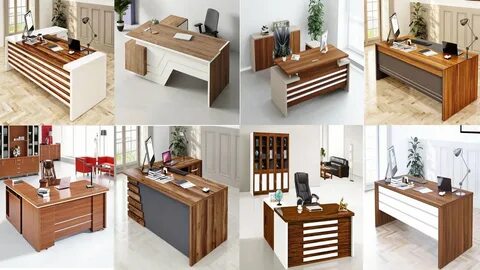
A productive workplace depends on smart furniture choices that support employees throughout the day. Desks provide the primary working surface, chairs contribute to comfort, and storage keeps essential materials organized. A Pedestal is a useful addition for businesses that want convenient storage without filling the office with large cabinets. Its compact structure allows employees to keep files, stationery, accessories, and personal belongings near their work area while maintaining a neat appearance.
Office organization becomes more important as businesses add employees, equipment, and documents. Without a clear storage system, desks can become crowded and important items may be difficult to locate. Providing suitable storage gives every item a practical place and helps employees maintain better control over their workstations. This can make the entire office feel more orderly while supporting smoother daily routines.
Using Limited Office Space More Effectively
Not every business has access to a large office floor. Small companies, startups, shared offices, and growing teams often need to make careful use of every available section. Bulky storage furniture can reduce open space and make movement around workstations difficult. Compact storage offers a way to increase organization while preserving room for employees and visitors.
A unit positioned beneath or alongside a workstation can use space that might otherwise remain unused. Employees can access important materials without leaving their desks, which is useful when documents or supplies are needed frequently. Careful positioning can also keep walkways clear and reduce unnecessary movement around the office.
Before choosing storage furniture, businesses should examine the dimensions of their workstations and available floor area. They should also consider chair movement, drawer clearance, electrical connections, and walking paths. A good furniture plan should make the office easier to navigate rather than creating additional obstacles.
Keeping Workstations Free From Unnecessary Clutter
Desks can become crowded quickly when employees have no convenient place for their belongings. Files, folders, notebooks, pens, chargers, documents, and personal items may gradually take over the available working surface. Storage furniture can help employees move these items away from the main desk area while keeping frequently needed materials nearby.
A clearer workstation provides more room for important activities. Employees can use their desks for computers, writing, reading, meetings, and other responsibilities without constantly moving unnecessary items. When materials have designated storage locations, it is also easier to return everything to its proper place at the end of the day.
A tidy desk can contribute to the overall appearance of a business. Clients, visitors, and business partners may notice the condition of an office during meetings. Well-maintained workstations can create a sense of professionalism and attention to detail.
Selecting Storage For Different Departments
Office furniture requirements vary between departments. Administrative employees may handle large amounts of paperwork, while creative teams may need storage for equipment and supplies. Managers may require space for confidential documents, whereas shared work areas may need flexible storage that can be accessed by several employees.
Businesses should identify the materials that need to be stored before selecting furniture. Understanding the size, quantity, and frequency of use can help determine the appropriate storage capacity. Frequently accessed items should remain close to employees, while materials used less often can be placed in centralized filing areas.
This approach prevents businesses from purchasing furniture that does not match their actual requirements. Instead, storage becomes part of a broader workplace planning strategy based on employee activities and office operations.
Making Daily Tasks More Convenient
Small furniture choices can influence everyday workflow. Employees who know exactly where their files and supplies are kept can retrieve materials more easily. This reduces unnecessary searching and helps keep workstations organized during busy periods.
For example, stationery can be separated from documents, while personal belongings can have their own dedicated area. Employees can establish simple habits around these sections, making it easier to maintain order throughout the day. When organization becomes part of the normal workflow, employees are less likely to allow clutter to build up.
Convenient storage can also reduce interruptions. Instead of walking to another side of the office to collect frequently used items, employees can keep them within comfortable reach. This can be particularly helpful for workers who regularly handle physical documents.
Supporting Flexible Workplace Designs
Modern offices often need to accommodate changing teams and work patterns. Companies may reorganize departments, introduce shared workstations, or create collaborative areas as their needs develop. Furniture that fits into flexible layouts can make these changes easier to manage.
Mobile storage options can be useful when furniture needs to be repositioned. Units with suitable casters can be moved during office rearrangements without requiring excessive physical effort. This provides businesses with more freedom when adjusting workstation configurations.
However, mobility should not compromise stability. Wheels should operate smoothly, while drawers and frames should remain secure during normal use. Businesses should examine the quality of moving components before selecting furniture for a flexible office.
Choosing Suitable Drawer Capacity
Storage furniture should provide enough room for the materials employees actually use. A unit with several drawer sizes can make it easier to separate different categories of items. Smaller spaces may be suitable for stationery, cables, and accessories, while larger compartments can accommodate folders and paperwork.
Businesses should avoid selecting storage based solely on external appearance. Internal capacity and drawer configuration can have a significant impact on usefulness. Employees should be able to store their regular materials without forcing too many items into a single compartment.
Smooth drawer operation is another consideration. Since office furniture can be used repeatedly every day, reliable drawer mechanisms and durable hardware can contribute to a better long-term experience.
Protecting Confidential Workplace Materials
Storage requirements are not always about organization. Security can also be important. Businesses may handle contracts, financial records, employee information, client documents, and other materials that should have restricted access.
Lockable storage provides an additional level of privacy for documents and personal belongings. Companies can assign secure compartments to employees or departments depending on their needs. This can help reduce the risk of sensitive paperwork being left unattended on desks or shared surfaces.
A storage solution should be combined with sensible office procedures. Employees should understand which materials need secure storage and which items can remain in general filing areas. Clear practices make furniture-based organization more effective.
Paying Attention To Furniture Construction
Frequent workplace use can place considerable demands on office furniture. Drawers are opened and closed repeatedly, handles receive daily use, and mobile units may be repositioned during office changes. Construction quality should therefore be considered carefully.
Businesses can assess the strength of the frame, drawer mechanisms, handles, locks, wheels, and surface materials. Furniture should be suitable for the level of use expected in the workplace. Easy-to-maintain surfaces can also reduce the effort required to keep the office looking clean.
Long-term value should be considered alongside purchase price. Furniture that lasts longer and requires fewer repairs may provide better value than an inexpensive option that needs frequent replacement. Comparing quality and functionality can help businesses make more informed purchasing decisions.
Creating A Consistent Furniture Arrangement
Storage works best when it complements the rest of the office furniture. Desks, workstations, chairs, cabinets, tables, and storage units should fit together in terms of size and appearance. A consistent furniture arrangement can make the office feel more organized and professional.
Businesses can choose finishes that coordinate with their existing workstations. Neutral designs may also provide greater flexibility if the company changes its interior style later. Furniture should be selected with both current requirements and possible future changes in mind.
The size of each storage unit should also suit its surroundings. A very large cabinet can overwhelm a compact workstation, while insufficient storage may leave employees with nowhere to place essential materials. Proportion and functionality should therefore be considered together.
Planning For Future Office Growth
Furniture decisions should account for more than today’s requirements. Businesses can expand quickly, add departments, or change their working arrangements. Storage furniture that works with different layouts can remain useful as the company develops.
Companies should consider whether additional units can be added later without disrupting the existing arrangement. Modular or compatible furniture can provide greater flexibility when office requirements change.
Regularly reviewing storage needs can also prevent unnecessary accumulation. Businesses can identify unused furniture, outdated documents, and underused storage areas and adjust their setup accordingly.
Building A More Efficient Workplace
A successful office environment is created through many practical decisions. Comfortable seating, suitable workstations, effective lighting, and organized storage all contribute to a functional workplace. Storage should make daily activities easier while supporting a clean and professional atmosphere.
A Pedestal can be a practical choice for employees who need accessible storage close to their workstations. When selected according to available space, drawer requirements, security considerations, durability, and office design, it can provide useful capacity without taking over valuable floor space.
Final Thoughts
Effective office storage can help businesses control clutter, improve workstation organization, protect important materials, and make better use of available space. The best solution depends on the company’s layout, employee requirements, document volume, security needs, and future plans. Careful furniture selection can create a workplace that remains practical and comfortable throughout the working day.
For businesses looking for suitable office furniture options, Manila office furniture den can be considered when planning a functional workplace setup. With thoughtful storage planning and appropriate furniture choices, companies can create cleaner workstations, easier workflows, and a professional environment that supports everyday productivity.








Leave a Reply