In the modern digital era, cutting-edge technologies play a crucial role in shaping how we interact with data daily. From managing finances to optimizing healthcare, data analytics has seamlessly integrated into our lives. Whether you realize it or not, every click, transaction, and interaction generates data that can be analyzed to enhance decision-making. Understanding where data analytics applies in everyday life can help individuals make informed choices, improve efficiency, and even predict future trends.
Personal Finance: Smart Money Management with Data Analytics
Budgeting Apps and Expense Tracking
With the rise of fintech solutions, budgeting apps like Mint, YNAB, and PocketGuard use data analytics to track spending habits. These applications analyze past expenditures, categorize expenses, and provide personalized insights to help users save money and optimize budgets.
Credit Score Analysis and Fraud Detection
Banks and financial institutions utilize data analytics to assess creditworthiness. Machine learning models evaluate payment history, debt-to-income ratios, and spending patterns to generate credit scores. Additionally, real-time fraud detection systems monitor transactions and flag suspicious activities, minimizing financial risks.
Investment Strategies and Predictive Analysis
Stock market investors rely on data analytics for predictive modeling and trend forecasting. AI-powered platforms analyze historical stock performance, social sentiment, and economic indicators to provide investment recommendations.
Health and Fitness: Data-Driven Wellness
Wearable Devices and Fitness Trackers
Smartwatches and fitness bands collect real-time data on heart rate, sleep patterns, and activity levels. By analyzing this information, users receive insights into their overall health and recommendations for achieving fitness goals.
Personalized Nutrition and Diet Planning
Apps like MyFitnessPal and Noom leverage data analytics to track calorie intake and suggest meal plans based on dietary preferences, metabolic rate, and fitness goals. AI-driven diet recommendations help users maintain balanced nutrition.
Early Disease Detection and Telemedicine
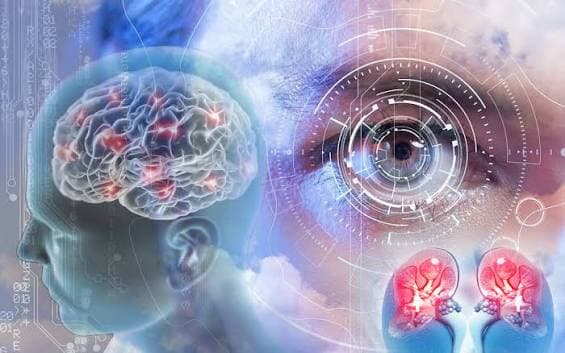
Healthcare providers use data analytics to predict and prevent diseases. Machine learning algorithms analyze patient history, genetic predisposition, and lifestyle choices to detect early signs of conditions such as diabetes or heart disease. Telemedicine platforms also employ data analytics to optimize virtual consultations and prescribe treatments remotely.
Transportation: Smarter Commuting and Route Optimization
Navigation and Traffic Management
GPS-based apps like Google Maps and Waze analyze real-time traffic patterns, road conditions, and user-reported incidents to suggest the fastest routes. Data analytics helps reduce congestion and improve daily commuting efficiency.
Ride-Sharing and Public Transit
Companies like Uber and Lyft use predictive analytics to estimate ride demand, determine surge pricing, and optimize driver allocation. Public transportation systems analyze commuter data to adjust schedules and improve service efficiency.
Vehicle Maintenance and Fuel Efficiency
Modern cars come equipped with sensors that collect data on engine performance, fuel consumption, and driving behavior. Data analytics assists in predictive maintenance, ensuring timely repairs and optimizing fuel efficiency.
Shopping and Retail: Personalized Consumer Experiences
Recommendation Engines and Customer Insights
E-commerce platforms like Amazon and Netflix use data analytics to personalize recommendations. By analyzing user preferences, past purchases, and browsing behavior, businesses enhance customer satisfaction and increase sales.
Price Comparison and Dynamic Pricing
Online retailers use data analytics to monitor competitor pricing and adjust their rates accordingly. Customers benefit from price comparison tools that analyze market trends and suggest the best deals.
Inventory Management and Supply Chain Optimization
Retailers leverage data analytics to predict demand, manage stock levels, and optimize supply chain logistics. This reduces waste and ensures product availability based on consumer purchasing patterns.
Education: Enhancing Learning Through Data Analytics
Adaptive Learning and Personalized Education
Online learning platforms such as Coursera and Khan Academy use data analytics to assess student progress. AI-driven adaptive learning systems tailor courses to match individual strengths and weaknesses.
Performance Tracking and Predictive Student Success
Schools and universities analyze student performance data to identify at-risk learners and provide targeted interventions. Data analytics helps educators improve teaching strategies and student outcomes.
AI-Powered Tutoring and Exam Preparation
AI-driven tutoring platforms analyze student responses, suggest study materials, and provide real-time feedback to enhance learning experiences. Exam preparation tools utilize historical test data to predict potential questions and optimize study plans.
Entertainment: Revolutionizing Media Consumption
Streaming Services and Content Recommendations
Platforms like Netflix, Spotify, and YouTube use data analytics to curate content recommendations. By analyzing user preferences and viewing habits, these services enhance user engagement and retention.
Social Media Analytics and Engagement Optimization
Social media platforms track user interactions, engagement metrics, and sentiment analysis to optimize content delivery. Influencers and brands leverage data analytics to tailor their strategies and maximize reach.
Gaming Analytics and Player Behavior Insights
The gaming industry employs data analytics to analyze player behavior, optimize game mechanics, and enhance user experience. AI-driven game recommendations keep players engaged based on their gaming history.
Home Automation: Smarter Living with Data Analytics
Smart Home Devices and Energy Efficiency
IoT-powered smart home devices analyze energy consumption patterns and optimize usage. Smart thermostats like Nest adjust temperature settings based on user behavior, leading to cost savings.
Security Systems and Surveillance Analytics
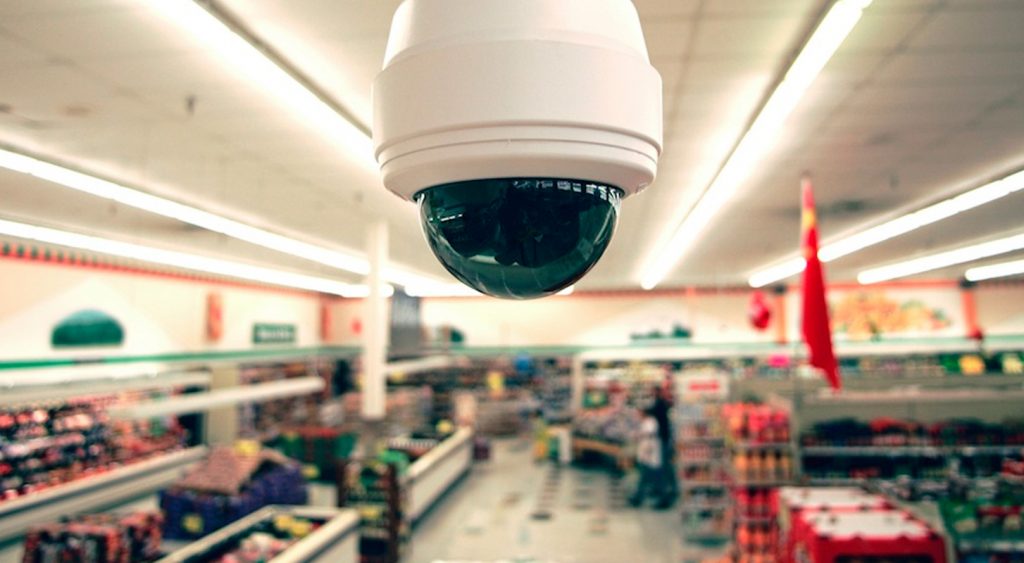
Home security systems use data analytics to detect anomalies and enhance protection. AI-powered surveillance cameras recognize unusual activities and send alerts in real time.
Predictive Maintenance for Household Appliances
Smart appliances monitor performance data to predict maintenance needs. Washing machines, refrigerators, and HVAC systems use predictive analytics to prevent breakdowns and extend lifespan.
Cutting-Edge Technologies and the Future of Everyday Data Analytics
As cutting-edge technologies continue to evolve, the applications of data analytics in everyday life will only expand. From AI-driven healthcare solutions to real-time traffic optimizations, data analytics enhances convenience, security, and efficiency. Understanding how data analytics impacts various aspects of daily life allows individuals to make informed decisions, embrace technological advancements, and optimize their experiences.
Conclusion: Data Analytics Shaping a Smarter Future
The integration of cutting-edge technologies in data analytics has transformed how we manage our finances, health, shopping, and entertainment. As AI, machine learning, and IoT continue to advance, data-driven solutions will become even more ingrained in daily life. By harnessing the power of data analytics, individuals and businesses can unlock new opportunities, improve efficiency, and navigate the digital world with confidence.